“opens the door to what American cookery is—the coming together of cultures, identities, flavors, and tastes that celebrate what is probably one of the most diverse cuisines in the world.”
This is the second edition of The Great American Recipe Cookbook, based on the popular eight-part PBS cooking show contest in which home cooks compete using their personal recipes. It’s a diversity culled from international cultures and traditions from around the world brought to America but also native fare. Think Sausage Pierogies with Barbecue Crema, Jerk Alfredo Pasta and Pan-Seared Scallops with a Side Salad, Chicken Hekka with Wontons, and Malasadas Two Ways.
The cookbook, a collection of treasured recipes and the stories behind them are provided by an interesting lineup of cooks that includes a recipe writer, real estate developer, Midwestern soccer mom, and a semi-retired architect, homebuilder, and consultant. The diversity of their backgrounds—a first generation American born to two Guyanese immigrants, a mom who was raised in Maui, Hawai’i, a special education teacher from Cleveland whose culinary background is rooted in Southern cuisine, and a general counsel for a financial tech firm whose parents hail from Barbados—is reflected in their recipes.
Designed in a large format with glossy pages, plenty of color photos, and easy to follow instructions, this is a book for all levels of tastes and cooking skills. Ingredients for the most part are easy to find and don’t involve an outlay of cash for something that will be used only once or twice. As an example, though Bahrat Chicken Thighs with Hummus and Flatbread may sound exotic and complicated, it is a very easy dish to make with the only unique ingredient being Libyan Baharat spice.
But since that typically consists of black pepper, cardamom, cloves, cumin, nutmeg, coriander, and paprika, it can be used in other recipes as well. There are no unique ingredients in Mini Spinach B’jibin Pies, a recipe that harkens back to the home cook’s Syrian Jewish community. Basically, these are mini pies that can be made in four easy steps—the first one being to preheat the oven. All this makes it easy for home chefs to try new cuisines without a lot of complicated ingredients and equipment.
With a foreword by cookbook author Pati Jinich, whose three-time James Beard award-winning and Emmy nominated TV series “Pati’s Mexican Table” is now in its 12th season, the book goes beyond the typical concept of American cookery and delves into what we all bring to the table.
“The phrase “American food’ often brings to mind certain classic dishes: a fried chicken recipe served up at a summer picnic or a honey-glazed ham gracing the table at the holidays,” reads the book’s introduction. “And those meals are delicious ones to celebrate, especially when we can share them with the people we love. But those quintessentially ‘American’ foods represent only a narrow sliver of what our country’s cuisine really is. We are one nation with more than one million kitchens, each with its own heritage, culture, and community—making American food an amazing mix of different culinary traditions that bring together flavors from around the country and beyond.”
In all, The Great American Recipe Cookbook (published by Ben Bella Books) opens the door to what American cookery is—the coming together of cultures, identities, flavors, and tastes that celebrate what is probably one of the most diverse cuisines in the world.
Croque Madame Mini Quiches and Dijon Béchamel
Croque madame mini quiches
All-purpose flour, for dusting
1 sheet frozen puff pastry, thawed
1 tablespoon olive oil or unsalted butter
½ small sweet onion, diced
1 garlic clove, grated
6 large eggs
¾ cup heavy cream, divided
¼ teaspoon freshly grated nutmeg
Salt and ground black pepper to taste
4 ounces ham, diced
1½ cups shredded Gruyère cheese
1 tablespoon fresh thyme
2 tablespoons chopped fresh chives
Dijon béchamel
1 tablespoon unsalted butter
1 small garlic clove, grated
1 tablespoon all-purpose flour
¾ cup whole milk
¼ teaspoon freshly grated nutmeg
1½ teaspoons Dijon mustard
Salt and pepper to taste
Preheat the oven to 400 degrees F. Spray a 12-cup muffin tin with nonstick cooking spray.
On a lightly floured surface, roll out the puff pastry sheet to about ¼ inch thick. Cut it into 9 squares. Press the pastry squares into the prepared muffin cups. Bake for 5 minutes.
Meanwhile, heat the oil in a large skillet over medium heat. Add the onion and sauté until soft, about 5 minutes. Add the garlic and sauté until the garlic is soft, about 2 minutes. Remove the pan from the heat.
In a small bowl, make an egg wash by whisking together 2 of the eggs and 2 tablespoons of the cream.
In a large bowl, whisk together the remaining 4 eggs and remaining cream until well blended. Add the nutmeg and season with salt and pepper.
Fill each of the pastry-lined muffin cups with equal amounts of the ham, cheese, cooked onion and garlic, thyme, and chives, then pour over the egg and cream mixture. Brush the edges of the dough with the egg wash. Bake for 15–18 minutes, until the pastry is golden brown and the egg mixture is set. Let cool slightly before serving.
While the mini quiches bake, make the Dijon béchamel. In a small skillet, melt the butter over medium heat. Add the garlic and cook for 1 minute. Whisk in the flour to make a roux. Cook the roux for several minutes, stirring constantly, until it takes on a light brown color. Slowly add the milk, whisking constantly, until you have a thickened and smooth sauce. Add the nutmeg and Dijon mustard and stir to fully incorporate. Taste the sauce and season with salt and pepper as needed.
Pour the béchamel over the mini quiches and serve with a fruit salad.
Recipe courtesy of The Great American Recipe
Cassava Pone
3 medium to large cassavas (about 4 pounds), peeled and cut into thirds
2 cups finely shredded grated coconut
1 (14-ounce) can sweetened condensed milk
1 (14-ounce) can coconut milk
3 tablespoons ground cinnamon
1 tablespoon freshly grated nutmeg
2 teaspoons freshly cracked black pepper
1 teaspoon salt
3 large eggs
1 (12-ounce) can evaporated milk
½ cup white sugar
½ cup packed light brown sugar
Directions
Preheat the oven to 350 degrees F. Grease 2 (9 × 9) baking pans or 1 (13 × 9) baking pan.
Finely grate the cassavas, either by hand with a box grater or in a food processor with a grating disk. (If you’re using a food processor, you may need to cut the cassavas into pieces to fit the food processor tube.)
With a clean tea towel, squeeze the excess liquid from the grated cassava and transfer it to a bowl. Add the shredded coconut, condensed milk, coconut milk, cinnamon, nutmeg, pepper, and salt, and stir to combine.
In a separate medium bowl, whisk together the eggs, evaporated milk, and sugars until well blended.
Slowly stream the egg mixture into the cassava mixture and stir to combine.
Pour the batter into the prepared baking dish(es) and spread it out evenly with a rubber spatula.
Bake until the edges are set and golden and a toothpick inserted in the center comes out clean, 25–30 minutes. Let the pone cool and set for 10 minutes before slicing.
2 pounds frozen chopped spinach, thawed and squeezed dry
½ cup shredded mozzarella cheese
½ cup ricotta cheese
½ cup crumbled feta cheese
½ cup shredded Muenster cheese
¼ cup grated Parmesan cheese
1 teaspoon chicken consommé powder
1 teaspoon garlic powder
½ teaspoon ground black pepper
Pinch cayenne pepper
Directions
Preheat the oven to 400 degrees F. Grease a 12-cup muffin tin.
In a large bowl, mix together the flour, 1 teaspoon of the salt, the sugar, and baking powder. Mix in ½ cup of the oil and the cold water until uniform in texture. Divide the dough into 12 equal balls. Place a dough ball in each prepared muffin cup. Press the dough into the bottom and up the sides to form a mini crust.
In a small skillet, heat the remaining 1 tablespoon oil over medium heat. Add the onion and sauté until soft, about 5 minutes.
In a large bowl, whisk the eggs together. Add the spinach, cooked onion, all the cheeses, consommé powder, garlic powder, remaining 1 teaspoon salt, the black pepper, and cayenne and mix thoroughly. Divide the spinach mixture equally into the mini crusts. Bake for 30–40 minutes, until cooked through. Serve warm or at room temperature.
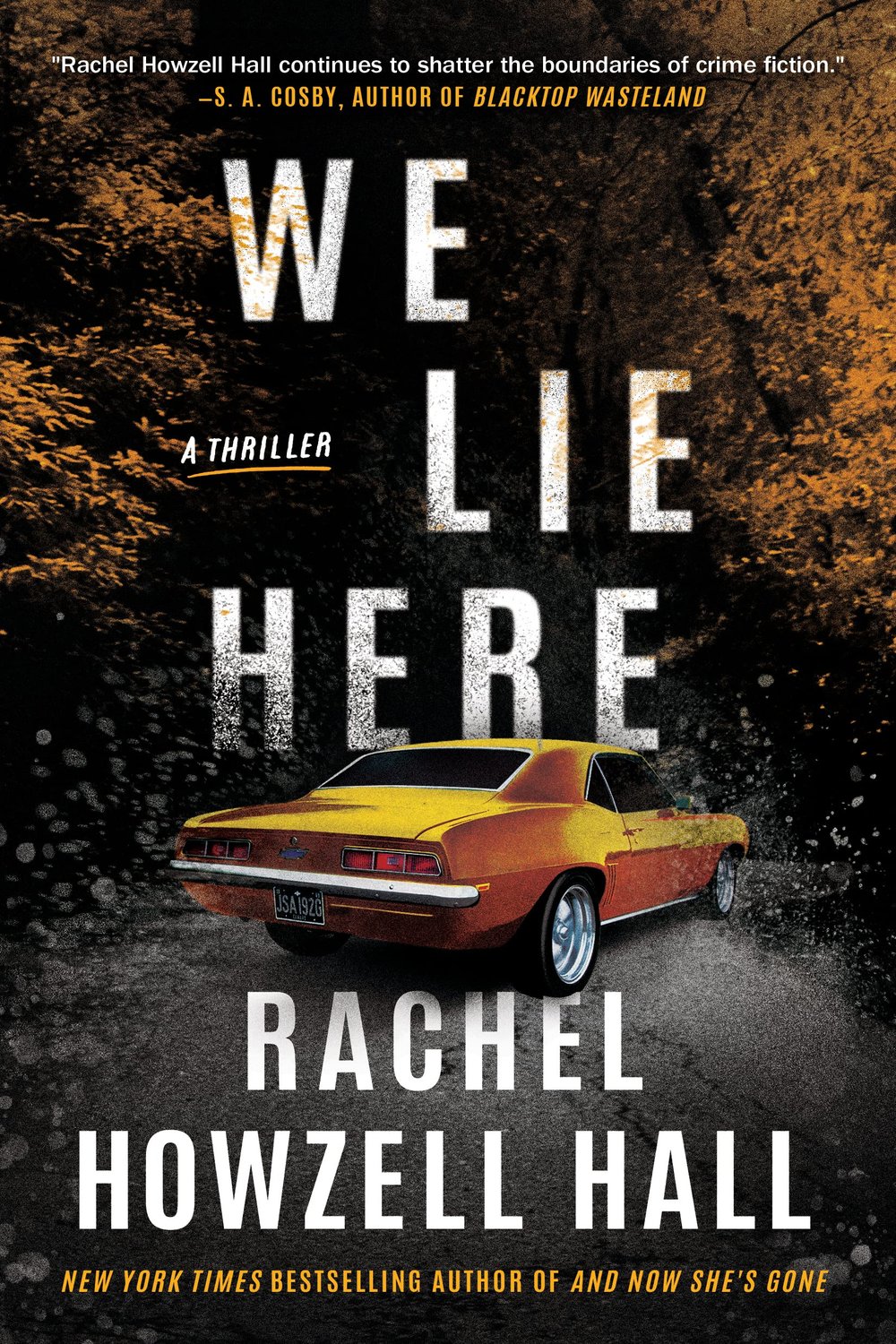
Nominated for the 2023 Los Angeles Times Book Prize in Mystery/Thriller, Rachel Howzell Hall’s We Lie Here (Thomas & Mercer) is the ultimate in twisty family secrets, murders, long standing grudges, and buried–both literally and figuratively–truths.
In this book, Hall, the New York Times bestselling author of And Now She’s Gone and These Toxic Things, tells the story of Yara Gibson, a L.A. screenwriter who returns to the small desert town of La Paz to help plan a family event. Yara has a lot of reservations about the trip and as her time at home progresses she becomes even more wary of what’s going on below the surface of what seems like a typical middle class family. She’s contacted by a woman claiming to be her cousin Felicia who leaves Yara a key to a remote lakeside cabin. Felicia has secrets to reveal about the family and the two agree to meet but then Fellicia’s body is discovered, setting Yara off on a quest to uncover what the family has spent years to hide.
But there’s more going on as well. Files in the basement of the cabin refer back to a tragedy that happened years ago. And as she investigates her family’s past and how it impacts her, Yara becomes concerned she’s losing her focus when things go missing including the medicine necessary to keep her from having an asthma attack. Or is there something more insidious going on?
Hall has again written a tightly woven mystery, one that keeps a reader in their seat, turning the pages to find out how it ends. Also available on CD and Audible.
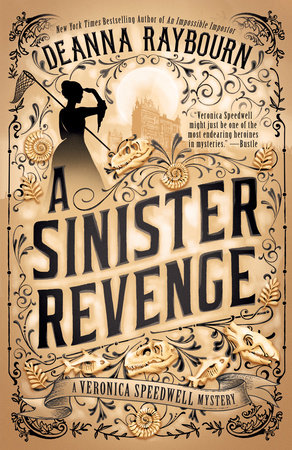
Deanna Raybourn takes us back to Victorian times in “A Sinister Revenge” (Penguin Random House), the latest novel in her Veronica Speedwell series. Speedwell, a scientist, lepidopterist or butterfly collector, and lady adventurer, has traveled to Bavaria in search of Revelstoke “Stoker” Templeton-Vane (called Stoker for short), her lover and scientific partner, who understandably is upset to learn that her husband who she presumed dead, is still very much alive. Upon finding out the news, he leaves the country and now seems to have completely disappeared. Traveling with Speedwell is Stoker’s brother, Viscount Tiberius Templeton-Vane, and the two, while dining at a Bavarian inn and hearing the landlord talk about a disagreeable encounter he had with a wolf-like man believe they may have found Stoker.
But there’s more going on than just a missing lover and brother. Tiberius has received death threats tied to an incident that occurred years ago and he needs his brother’s help in unraveling the mystery in order to save his life.
Raybourn, a New York Times bestselling author and sixth generation Texan, knew from an early age that she wanted to be a writer. Influenced by such women writers as Mary Stewart, Victoria Holt, Agatha Christie, and even Jane Austen, she describes her books as mysteries with enough romance to keep readers who like both genres happy.
“There was never a time when I didn’t make up stories,” she says, adding that she remembers being thrilled when she finally learned how to print so she could get them out of her head. There was also the time where she missed out on entire school lesson because she was busy writing a story about Maria Antoinette.
That might explain why she is a prolific author, having written not only eight Speedwell novels but also the Lady Julia Grey series, which are also historical fiction. Besides that she has stand alone novels including last year’s “Killers of a Certain Age” about a band of female assassins who are over 60.
Her Speedwell character is like many of the resolute women found in the pages of history and is inspired in part by Margaret Fountaine, a Victorian era lepidopterist who Raybourn says traveled the world collecting both butterflies and lovers. Both Fountaine and Speedwell are nothing like what people expect Victorian to be like says Raybourn.
“Fountaine was dynamic and intriguing,” she says. “She was my inspiration for Veronica.”
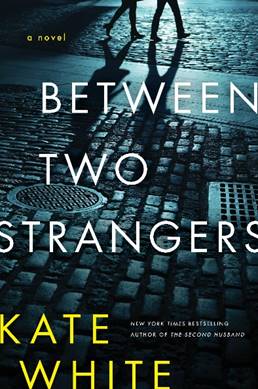
For the last 12 years, Skyler Moore has struggled with a crippling sense of guilt and an inability to be around large groups. An artist who specializes in collages, her work is about to be displayed in a prestigious art gallery and, hopefully, it will help her shaky finances as she wants to become pregnant through in vitro before her biological clock runs out.
But hearing she may have to speak to the large crowd expected at the gallery greatly increases her social anxiety. Add to that, she still is dealing with her mother who blames Skyler for what happened to Chloe, her younger half-sister 12 years ago after they became separated at a party.
Told Chloe had left, Skyler returned to the hotel where she was staying and, unusual for her, indulged in a one night stand with Christopher Whaley, an older, handsome—and married–man she just met. And so sets the stage for Kate White’s newest mystery, “Between Two Strangers.”
Her half-sister never left the party, her body was found days later at the bottom of a hill on the property. As for Whaley, he and Skyler never meet again but his lawyer contacts her a few nights before her gallery show. Whaley has recently died and left her several million dollars much to the anger of his family. Soon she is being harassed and threatened, her apartment broken into, and her career as an artist stymied when her collages, on display at the gallery are defaced. Skyler, unsure of herself as it is, must face the threats and accusations made against her by his family.
White, the author of 17 novels, was formerly the editor-in-chief of Cosmopolitan magazine and uses her knowledge of New York and the New York art scene to create a fast paced novel that takes us into that world when Skyler works on a collage that she hopes will help unlock the secret of her half-sister’s death.
I ask White, during a long phone conversation, how she was able to write best selling novels and work as editor-in-chief of an extremely popular woman’s magazine, That, in itself, must surely have been a full-time job.
“I was definitely burning the candle at both ends,” she says, adding that when she first got the call to take over the job she had completed four chapters of her first foray into mystery writing. “I put those aside.”
Uber-successful at editing—she took Cosmo to the number one best seller of single issue copies (the magazine was famous for its covers and inspired advice to women), selling two million copies a month.
“I loved the job, my team, the magazine,” says White.
But she also loved mysteries, having become addicted to the Nancy Drew mystery series at age 12. And so despite being married with two children and working as editor-in-chief, she returned to the mystery novel she was writing.
When I ask where she gets her ideas, White says from many places. She keeps a file of news clippings and notes. A plot, which she is meticulously outlined, can come from overhearing a conversation on an elevator. Yes, she says. She eavesdrops.
After 14 years at the helm of Cosmo (how many other magazines have a nickname?), White decided to focus on writing full-time. Now she spends part of the year in Uruguay where she and her husband have a place in a small beach town where she enjoys the lavender sunsets, the food and being warm in the winter.
It is also the perfect place for White to write and she is already at work on her next mystery.
For more information on White including upcoming author events, visit her website katewhite.com
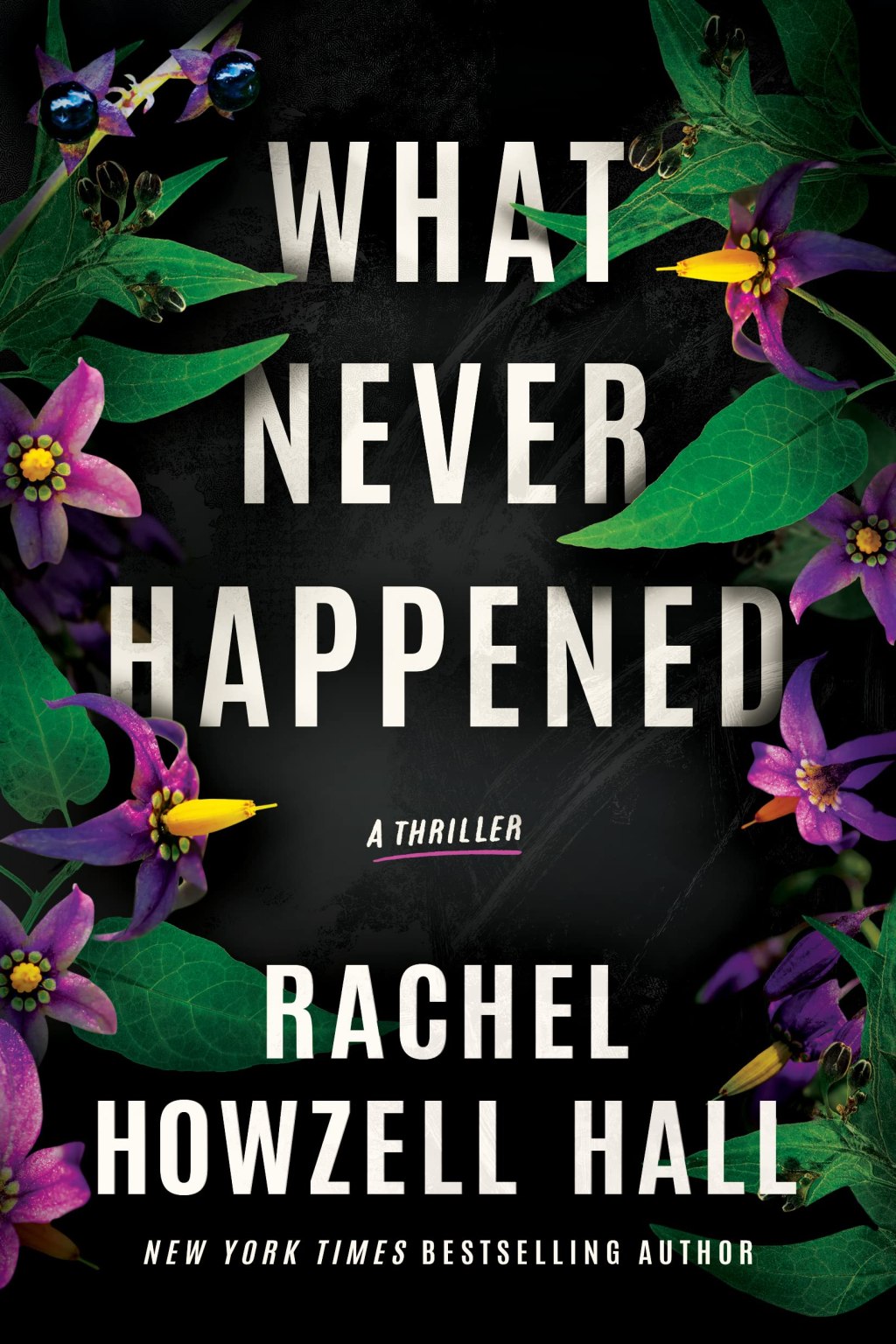
Twenty years ago, Colette “Coco” Weber survived the mass murder of her father, mother, and brother on idyllic Catalina Island off the coast of California. The man accused of the murder is now in prison and Coco, who moved away, married, and is now separated from her husband, has returned to the island hoping to jumpstart her life again.
But Catalina, so pretty with its colorful homes and eclectic boutiques and restaurants, has undercurrents as well. Sure some things haven’t changed. Her Aunt Gwen, who became the caretaker of Coco after the murders, still resents her and is hiding secrets possibly about the ownership of the house where she lives. At first it seems lucky that Coco is still best friends with the owners of the family run island newspapers who hire her to write obituaries—a special skill that Coco excels in. But rampant Realtors are buying up the quaint cottages that line the hilly streets of the island, turning out owners and repricing them at astronomical fees. Catalina, it turns out, may not be the place soon for anyone but the very wealthy.
That certainly includes Gwen, a former house and hotel cleaner with a penchant for stealing both baubles and expensive items from the places she cleans. It’s in a small part, a payback for all the scorn people in her position endure particularly those of color. But it’s also part of Gwen’s sneaky nature and her disdain for most people including her niece.
Before long Coco is involved with a handsome rich guy who works at the paper as a lark. His parents make enough money that he really can just dabble in whatever interests him. Soon, though, Coco suspects him of lying to her about his whereabouts at certain times when he goes radio silence so to speak and doesn’t answer his cell phone. And why has he chosen Coco when there are all these luscious beauty queen types in his past.
“As for her choice of jobs, her family’s obituaries were not special and didn’t capture who she knew they were. And now she has a chance to do for others what she wished had happened for her,” says Rachel Howzell Hall, an award-winning mystery writer about her latest standalone novel, “What Never Happened.” “This is also a story about a woman who’s trying to figure out where she belongs.”
Determining where she belongs also means figuring out who to trust and as she becomes immersed into island life during the isolated time of Covid, she soon learns that’s not easy to do. One big question is who is sending her threatening obituaries—her own—outlining the day of her death. It turns out there are many secrets and as she writes obituaries, Coco notices a stunning similarity in the deaths of many elderly women. They have refused to sell their homes which now are worth small fortunes. But unfortunately, it’s hard to get someone to believe her.
“Coco has been stunted in her growth and her ability to figure people out—she lost her parents during the time when they should have been guiding her and her aunt begrudges having to take care of her,” says Hall, who lives in Los Angeles and has visited the island on field trips with her daughter and also conducted extensive research that goes beyond the tourist brochures. “The way her family was taken away from her left her not knowing who she can trust and that becomes even more so with all that is happening on the island. And then she learns that this person she thought—and the law thought—killed her family, did not do it.”
Determined to find answers, Coco takes chances in trying to solve the mysteries swirling around her. She knows that is the only way she can remain on the island and survive.
“Horses are healing,” says Eliza Jane Brazier, author of “Girls and Their Horses”(Penguin-Random House), as she walks her horse around the arena while we talk on the phone. Brazier, who first started riding when she was five and has worked as a horse trainer, riding instructor and a head wrangler at a dude ranch, reconnected with her sport and those feelings helped her cope with the death of her husband.
“I have a horse in my backyard,” she says with a laugh about Tennessee, the draft horse she owns.
But the love of horses and the pursuit of championships along with the status of the horse owners in the rarefied air of Rancho Santa Fe Equestrian in exclusive Rancho Santa Fe, California can be much more toxic than healthy. This isn’t a jeans and cowboy boots sort of group hanging out in a drafty old barn with straw-covered dirt floors. The equestrian center is all stone and wood beams and the “barn moms” who gather there like it’s a social club can sum the cost of clothes that a new arrival like Heather Parker is wearing just by one quick glance (lucky for Heather she’s wearing an $800 blouse) and how much she’s worth by learning her address.
And Heather is worth a lot. Her husband stopped telling her how much he was making when it topped $150 million. But money doesn’t make Heather secure, it frightens her. She has other reasons to worry as well. She’s unable to stop her marriage from slipping away, her younger daughter Maple was brutally bullied when they lived in Texas and her older daughter Piper hates the move.
Their new home is so large that it’s easy to get lost and Heather also carries the scars of her impoverished upbringing and the abandonment by her father.
She’s determined to make life perfect for her children and she believes that joining the Rancho Santa Fe Equestrian will do just that, creating a bonding experience and also helping her relive and recreate her past. She still feels the pain of losing her barn family when her father left and they no longer had money. She lost friends and overnights and all the things that had made her happy. Now she has the money to give her kids what she missed and is still pining for after all these years.
Oh, if only it were that easy.
Her first day at the barn, Heather meets Pamela who takes her in hand. But Pamela has a hidden agenda. Her bank account is filled with nothing but fumes and she sees the rich Parkers as a way to help keep her in good graces with the barn’s owner so she can remain a member. And like Heather, she has a complicated back story as well.
Add to that, Maple doesn’t like horses. And Piper is jealous because Maple gets a horse the costs seven figures. It’s all so complicated.
And it becomes even more so when a mysterious death occurs in the barn.
Brazier’s opening chapter sums up the atmosphere of the rich barn culture perfectly.
“Oh, I can tell you exactly what happened,” replied the tiny young girl in an expensive riding habit told the police who had been waiting for her to finish her competition at an international horse show when asked if she knew of the murder and what had occurred in the first chapter of the book. “Do you have a mother?” Indeed, this is a wickedly fun murder mystery where the mothers are often more driven for their daughters to succeed than the girls are themselves. “Horses are like mirrors.
They reflect all the good parts and the bad parts of ourselves back at us,” is a quote from the book.
“It’s a mean girl kind of place,” says Brazier who is training in show jumping when she’s not writing mystery novels. “And things go deeper and deeper as time goes on.”
I’m a huge fan of Rukmini Iyer and am revisiting an old favorite Dinner’s in the Oven: Simple One-Pan Meals (Chronicle Books 2018; $19.95), featuring wonderfully easy sheet-pan recipes that always wow people when you bring them to the table. Hah! Little do they know how quick they are to assemble and cook. But we’ll let that be a secret between us.
First of all, the cookbook is beautiful as would be expected as Iyer, who is based in London, is a food stylist and has worked for such businesses as Fortnum & Mason, The Guardian, The Sunday Times, Macmillan Coffee Mornings, The British Heart Foundation, Phaidon, Quadrille Books and Kyle Books, the latter three are three publishing companies known for their cookbooks. Her other cookbooks include Vegetarian Dinners in the Oven: One-Pan Vegetarian and Vegan Recipes, the Roasting Tin series which have sold over 1.75 million copies to date, an India Express: Fresh and Flavorful Recipes for Everyday.
The great thing about her recipes is that once made they look sophisticated but are extremely easy. But to make it even better, Iyer has composed the book so that it starts off with the easiest recipes first so you learn as you move more forward plus she shows how we can make adaptations and provides charts on how to do so.
“The nicest thing about oven-made meals is that they are versatile and forgiving,” Iyer writes in the introduction to her book, adding that the recipes require the barest minimum in terms of effort—a little light chopping to start, then tasting and adjusting the salt or lemon juice at the end. “Most importantly, they leave you free to do something else while dinner looks after itself—have a bath, help the children with their homework, or, my preferred option, flop on the sofa with a glass of wine.”
Iyer describes the French Tomato and Mustard Tart with Tarragon as one of the easiest and most satisfying dishes in the book in her book.
“The paprika gives it a wonderful smokiness,” she says, “but you could easily use a combination
of honey and mustard as an alternative. It’s that simple.”
His mother-in-law has moved in with him, his young daughter has been diagnosed as being on the autism spectrum, his son’s school wants an ADD diagnosis, and his wife’s promotion to Chief Medical Examiner has turned her into a nemesis in some ways as she now expects her husband to no longer go rogue when investigating a potential homicide.
What’s a seasoned medical examiner to do?
For Jack Stapleton, whose irreverent style and sarcastic humor often get him into trouble, the answer is to find a very compelling case to dive into. And fate intervenes when the body of Dr. Sue Passero, his wife’s best friend, lands on Jack’s autopsy table. But even after the autopsy is completed, Jack is still at a loss as to how the seemingly healthy doctor died. Was it a drug overdose? A heart attack? None of the toxicology tests show that’s the answer. So Jack, trying to avoid the tension at home, starts investigating. He talks to Cherine Gardener, a colleague of Passero’s, who tells him that Sue believed there was serial killer roaming Manhattan Memorial Hospital, where the two worked together.
Gardener promises to meet Jack the next day to tell him more. And she does, but not in the way expected. Just as Sue showed up unexpectedly on his autopsy table the day before, now it’s Cherlne who is dead. Did she really die of a drug overdose? What about the witness who heard her scream, the sounds of fight, and a stranger fleeing down the stairs and out the door? Could she have been murdered to keep from revealing more about the death rate at the hospital? Jack’s good buddy, police detective Lou Saldano, suspects it was a homicide and warns Jack to leave the investigation to the police.
But Jack’s not good at following rules. And now the killer wants him dead, too.
Author Robin Cook, a medical doctor whose second bookComa, released in 1977, was a bestseller and made into a blockbuster movie, is considered to have created the medical mystery genre.
In Coma and his other novels, Cook adds another layer to his plots as he has his protagonists grapple with modern medical issues and the role of private equity ownership putting profits over patients in the hospitals they run. Because of that, the killer in Night Shift easily gets away with his crimes and adds to the obstacles Jack encounters when trying to determine not only how the two women died and why but to stop future deaths including his own.
In Night Shift, Cook’s 37th novel, he shows that he hasn’t lost his touch.
“This is a pleasure of a cookbook full of great recipes . . .”
Jacques Pépin, winner of 16 James Beard Awards and author of over 30 cookbooks, has taken his considerable skills and created Cooking My Way, a charming cookbook of easy-to-make recipes designed not only to save money but also time and effort. To add to its delight are his wonderful pastel drawings. It is a cookbook full of good sense, with Pépin, who has starred in 12 PBS cooking shows, sharing how he saves money without impacting the quality of the food he prepares.
“Buying seasonally is another way to approach economy in the kitchen,” he writes in the book’s introduction. “More often than not, I create my menus at the supermarket, looking for the best, but also the least expensive, and striking a balance between the two.”
Pépin buys fruits and vegetables in season when they are most flavorful, nutritious, and less costly. The same goes with other ingredients. When whole turkeys are on sale (or in Pepin’s words “attractively priced”) in autumn and winter, he buys them. Lamb and ham grace his menu in the springs when stores are more likely to have them on special. As for pricey seafood, summer is the best time to purchase fish and shellfish as it is most abundant during warm weather.
It’s also important, he says, to know that first impressions can be misleading when it comes to buying ingredients.
“For example,” Pépin continues, “the outside leaves of a head of escarole may be wilted or damaged and therefore sold at a discounted price, I will still buy it because the center, the part I want to use, is white, firm, sweet, and tender.”
Pépin, who founded the Jacques Pépin Foundation, which is dedicated to culinary education, has lessons to impart in this book. Among these are versatility and using not only what is in season and attractively priced but also whatever you have on hand. Because Pépin doesn’t let leftover bread go to waste, there’s a recipe for Cauliflower and Crumbs in which he recommends making your own breadcrumbs using either stale or fresh bread. And there’s his unique Bread Flapjacks. It’s a savory recipe with leftover bread, egg, chopped onions, and herbs. But Pépin shows how you can turn it into a sweet flapjack dish by adding sugar and leftover fruit such as an apple or banana.
This is a pleasure of a cookbook full of great recipes such as Flan of Green Herbs, Grits and Cheese Souffle, Sweet and Spicy Curried Chicken, and Braised Pork and Cabbage which are intriguing but simple to make is made even better by the full-color photos by Tom Hopkins, and the effort that Pépin has put into it to ensure that we cook wisely and well.