Tag: Chicago
-
Don’t Let My Baby Do Rodeo
The spark for his second novel stems from what it means to be an adopted child from a land very far away says Boris Fishman, author of (Harper/HarperCollins 2016 $26.99) which was just named as one of the 100 best books of 2016 by the New York Times, Fishman, who was born in Minsk, Belarus…
-
Duck Season: Eating, Drinking, and Other Misadventures in Gascony, France’s Last Best Place
When David McAninch first moved to Plaisance du Gers, a small village in Gascony, with his wife Michele and their young daughter, Charlotte, he was going full-force Francophile by indulging a dream he’d nourished for years—to become part of French village life, a move he chronicles in Duck Season: Eating, Drinking, and Other Misadventures in…
-
Blissful Basil: Over 100 Plant-Powered Recipes to Unearth Vibrancy, Health & Happiness
Finding a sense of peace and contentment in her life by eating healthier and follow a menu of plant based of Vegan meals, Ashley Melillo began blogging while earning her graduate degree in school psychology. Eating whole food helped Melillo deal with the anxiety and stress of her life. And she shares her food philosophy…
-
HOME by Harlan Coben
Patrick and Rhys, two young boys from wealthy families went missing ten years before the night that Win, a relative of Rhys who prides himself on keeping his emotions under control but has no trouble with violence when provoked, spots Patrick in near the tracks at Kings Crossing, a seedy area where prostitution and drugs…
-
Nathan Hill: Author of The Nix
600 pages and eight years ago, Nathan Hill started writing a short story. “I guess I gave myself permission to keep going,” says Hill, about The Nix (Knopf 2016; $27.95), his recently published—to rave reviews—novel that covers a lengthy time period and numerous geographic locations as he tells the story of Sam Andresen-Anderson, a disgruntled…
-
YA SENSATION SABAA TAHIR TO VISIT CHICAGO ON SEPTEMBER 14th
A Torch Against the Night, Sabaa Tahir’s second Young Adult novel continues the saga of Elias and Laia as they journey north through the treacherous Martian Empire in their quest to save Laia’s brother from prison. Trying to elude the Empire’s Commandant Helen, their once great friend who is now following orders from the Emperor…
-
The Last Days of Night by Graham Moore
Obsessive himself, Graham Moore, who won an Oscar for his screenplay The Imitation Game, immersed himself in 19th century Manhattan to write The Last Days of Night (Random House 2016; $28), his historic tale about the lawsuit between two other obsessive and driven people–Thomas Edison and George Westinghouse–over who invented the lightbulb. Though it may…
-
Blood Runs Green: The Murder That Transfixed Gilded Age Chicago
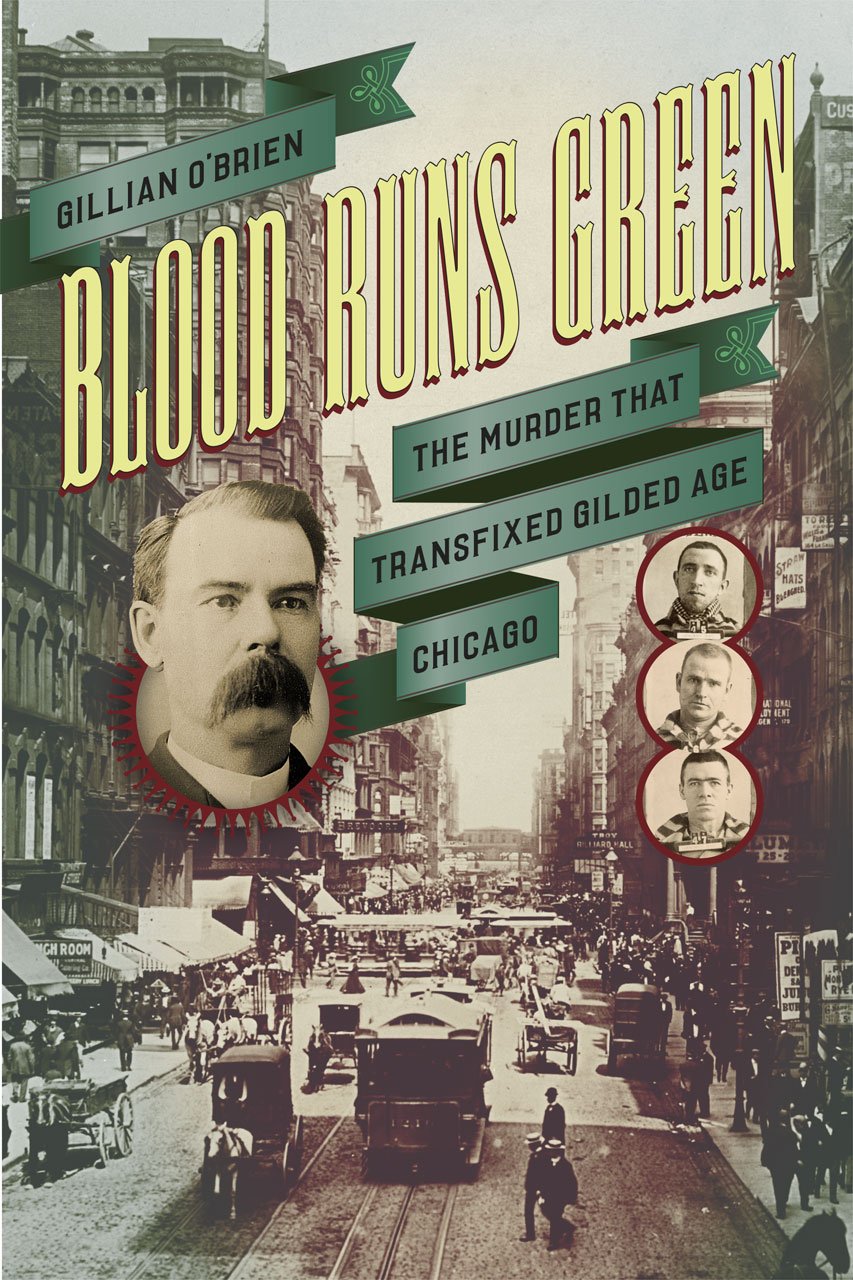
Almost 12,000 people streamed into the First Cavalry Armory on Michigan Avenue in Chicago on May 25, 1889 to view the coffin of Dr. P.H. Cronin, an Irish physician and political activist who had been savagely murdered. “It was one of the first ‘sensational’ murders covered by the Chicago press and far beyond,” says…
-
My Journey from Shame to Strength: A Memoir by Liz Pryor
Bundled into a car during a winter storm, 17-year-old Liz Pryor left her home in Winnetka with her mother to what she thought was a Catholic home for pregnant teenagers. Instead, Pryor found herself in a locked government-run facility filled with impoverished delinquent girls whose experiences and backgrounds were totally different than hers. Over the…
-
Steve Hamilton in Chicago to discuss his latest mystery “The Second Life of Nick Mason”
“He’s made a deal with the devil,” says New York Times bestselling author Steve Hamilton about his latest book, “The Second Life of Nick Mason” (Putnam’ 2016; $26) . “Everywhere he goes he’s watched, everyone he touches is in danger and all he wants to do is reunite with his wife and daughter.” To get…
 Shelf Life