
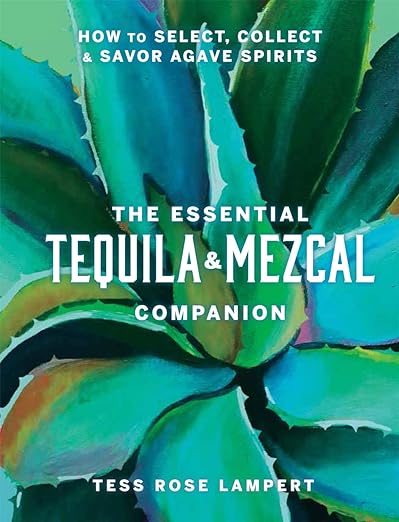
Mezcal is a spirit shrouded in mystery, writes Tess Rose Lampert, author of “The Essential Tequila & Mezcal Companion: How to Select, Collect, & Savor Agave Spirits.”
In some ways this mysteriousness is a result of its murky history that goes far back in time. Mezcal’s origins are unknown but it most likely dates back to at least 1500 BCE. That’s the age of a unique small clay still, known as a Capacha vessel, found to contain remnants of agave. And then there’s the misconception of many including enthusiastic mezcal and tequila consumers that mezcal is the smoky cousin of tequila.
But, as Lampert points out in ”those wanting to use a family analogy should instead think of mezcal as being tequila’s great-grandmother, holding the place of family matriarch. Tequila, it turns out, is just one subvariety of mezcal—albeit an extremely popular one—while mezcal is the origin of all agave spirits.”
Lampert, who has an impressive resume with university majors in linguistics and philosophy, specializes in Mayan glyphs (the native writing system of the Maya civilization) and uses her knowledge and connection with Mexican culture to help dispel the all-to-common myth that Mesoamerican culture was less refined and civilized than their European counterparts. Her book is not only designed to assist readers in understanding the history of agave drinks but also as a companion guide to those who are equally passionate and curious about this ancient, distilled beverage as she is.
“The meat of this book is producer profiles with tasting notes and general comments,” she writes. “Aside from serving as an at-a-glance overview of specific products, they offer insight into house production styles, flavor profiles for different agave varieties, and regionally specific characteristics. In addition to general comments and information. The tequila entries each get an individual score from 1 to 5. These ratings are designed to serve as a guide and informed consumers about the good, better, and best bottles in terms of quality and value and, equally important, which bottles you might want to skip.”
Lampert also includes a plethora of cocktail recipes and pairing notes, many gathered from established and emerging mixologists. In that way, she says, those using her guide book can find new ways for enjoyment.
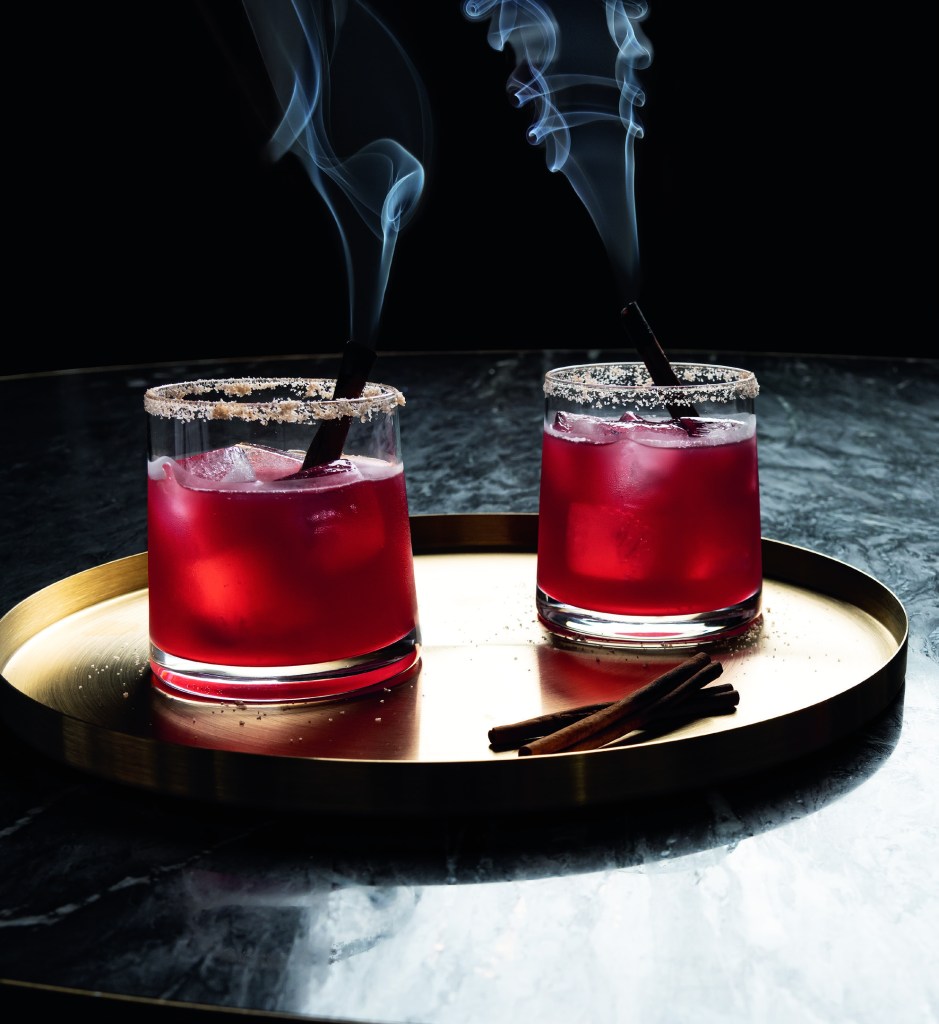
It’s a way of understanding the millennia behind the tastes of such cocktails (recipes in her book) as a Pomegranate Margarita—a mix of Siete Leguas reposado tequila and Cenizo Colonial mezcal, pomegranate juice, simple sugar syrup, and torched cinnamon sticks or the Frozen Mezcal Hot Chocolate—milk, simple syrup, vanilla extract and Cenizo Colonial mezcal topped with whipped cream.
In all, this is a history lesson, a bartenders’ manual, and a fresh look at a spirit that has been around for millenniums. Lampert drills down deep and yet this is an easily readable book that can be enjoyed at many diverse levels from a recipe book to an in-depth understanding of mezcal’s past and present.
POMEGRANATE MARGARITA
To feature the tartness of the fruit, be sure to use 100% unsweetened pomegranate juice for this recipe. If you can only find sweetened or pomegranate juice cocktail, omit the simple syrup and instead use an additional ounce of the sweetened juice.
- Cinnamon salt, for the rim
- 1 ounce Siete Leguas reposado tequila
- 1 ounce Cenizo Colonial mezcal
- 2 ounces unsweetened pomegranate juice
- 1 ounce fresh lime juice
- 1 ounce simple syrup
- Torched cinnamon stick, for garnish
Rim half of a rocks glass with cinnamon salt and set aside. Shake the tequila, mezcal, pomegranate juice, lime juice, and simple syrup with ice to chill and dilute. Strain over fresh ice into the rimmed glass, and garnish with a freshly torched cinnamon stick.
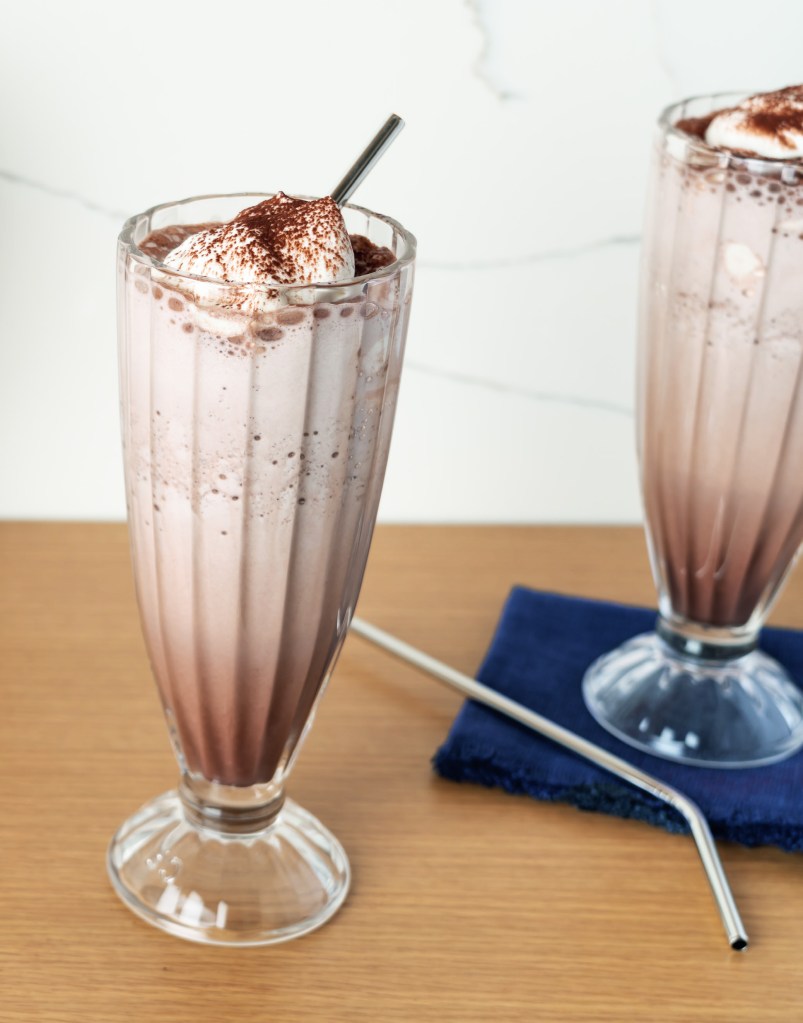
FROZEN MEZCAL HOT CHOCOLATE
This is basically a boozy Mexican chocolate milkshake, so what’s not to love? The alcohol flavor is subtle, and it enhances the chocolate and cinnamon.
- 1 cup milk of choice
- 1 tablespoon unsweetened cocoa powder, plus extra for garnish
- 11/2 ounces Cenizo Colonial mezcal
- 11/2 ounces simple syrup
- 1/4 ounce vanilla extract
- 1/4 ounce cinnamon powder
- Small pinch sea salt
- 1 cup ice
- Whipped cream, for garnish
Combine all ingredients except the whipped cream in a blender and blend until smooth. Pour into a milkshake glass and top with cocoa powder and whipped cream.
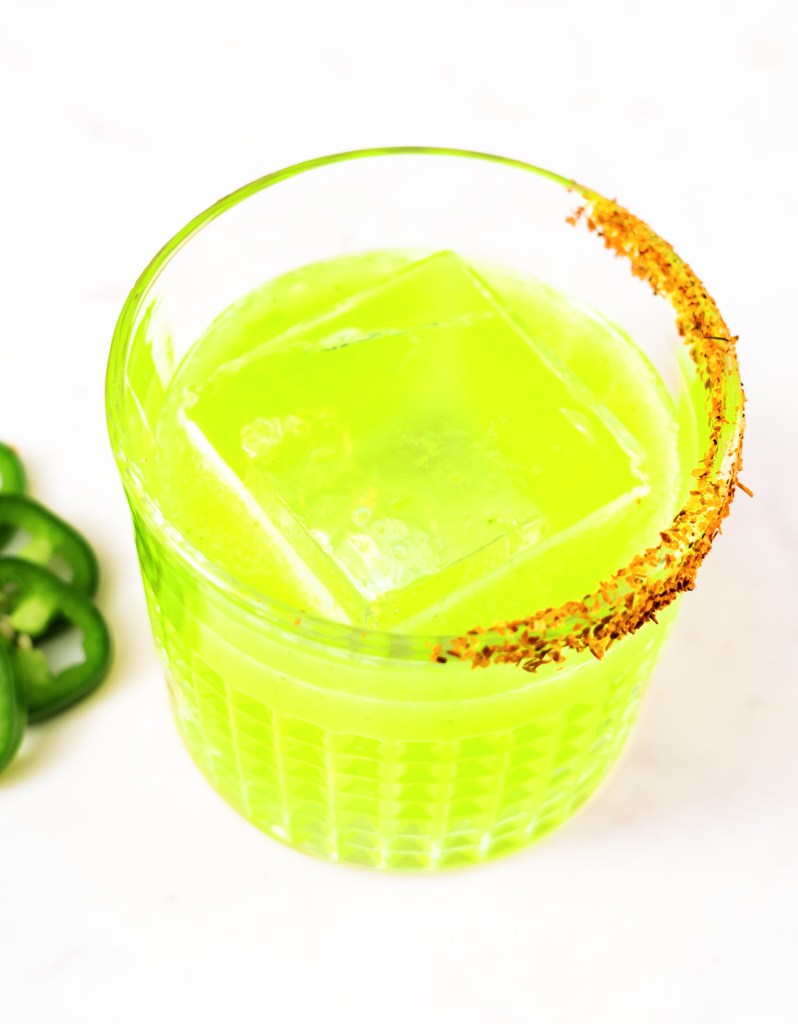
OAXACA EXPRESS
BARTENDER SPOTLIGHT:
Alex Valencia
Alex is celebrated as one of the top Mexican mixologists of our time, and this drink is a cult favorite at La Contenta and La Contenta Oeste, the restaurants he co-owns in New York City. Alex created this cocktail back in 2009 before mezcal went mainstream and initially called it the Mexican Connection. “Back then, the mezcal in New York City was only exported from Oaxaca, so I changed the name to Oaxaca Express, like a little taste from Oaxaca, Mexico,” he says.
- Tajin, for rimming the glass
- 1 slice jalapeño, no seeds
- 2 ounces espadín mezcal from Oaxaca
- 3/4 ounce Cucumber Puree
- 3/4 ounce fresh lime juice
- 3/4 ounce Agave Syrup
Rim a rocks glass with tajin and set aside. Add the jalapeño to a shaker and muddle, then add the mezcal, cucumber puree, lime juice, and agave syrup, plus ice. Shake for five to seven seconds. Double strain and serve.
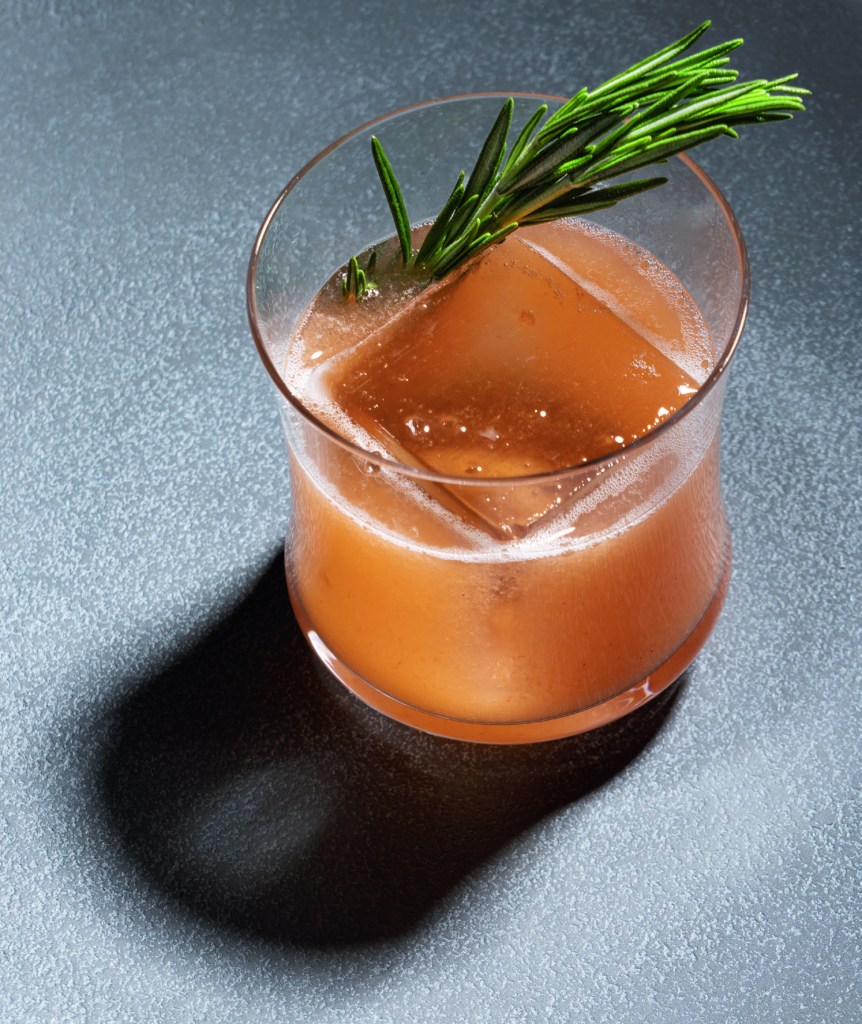
ONE WAY TO OAXACA
BARTENDER SPOTLIGHT: Julio Xoxocotla
Mexico-born Julio is a partner and head bartender at the Wild Son and Bar Lula in New York City. The phrase that inspired this fruity, lightly smoked, spicy and herbal cocktail is “El dinero, el amor, y las guayabas no se pueden ocultar”—in English, “Money, love, and guavas cannot be hidden.”
- 11/2 ounces Pelotón de la Muerte mezcal
- 1 ounce guava puree
- 3/4 ounce Rosemary-Jalapeño Syrup
- 3/4 ounce lime juice
Add all ingredients to a shaker. Add ice and shake well. Once cold, strain over fresh ice in a rocks glass.
Recipes reprinted with permission from The Essential Tequila & Mezcal Companion by © 2023 Tess Rose Lampert. Published by Union Square and Co. Photography © Sarah Jung
This article previously appeared in the Northwest Indiana Times.
The Essential Tequila & Mezcal Companion is published by Union Square.


Leave a Reply