Category: History

  • Swedish Settlements on the South Shore
    Swedish Settlements on the South Shore

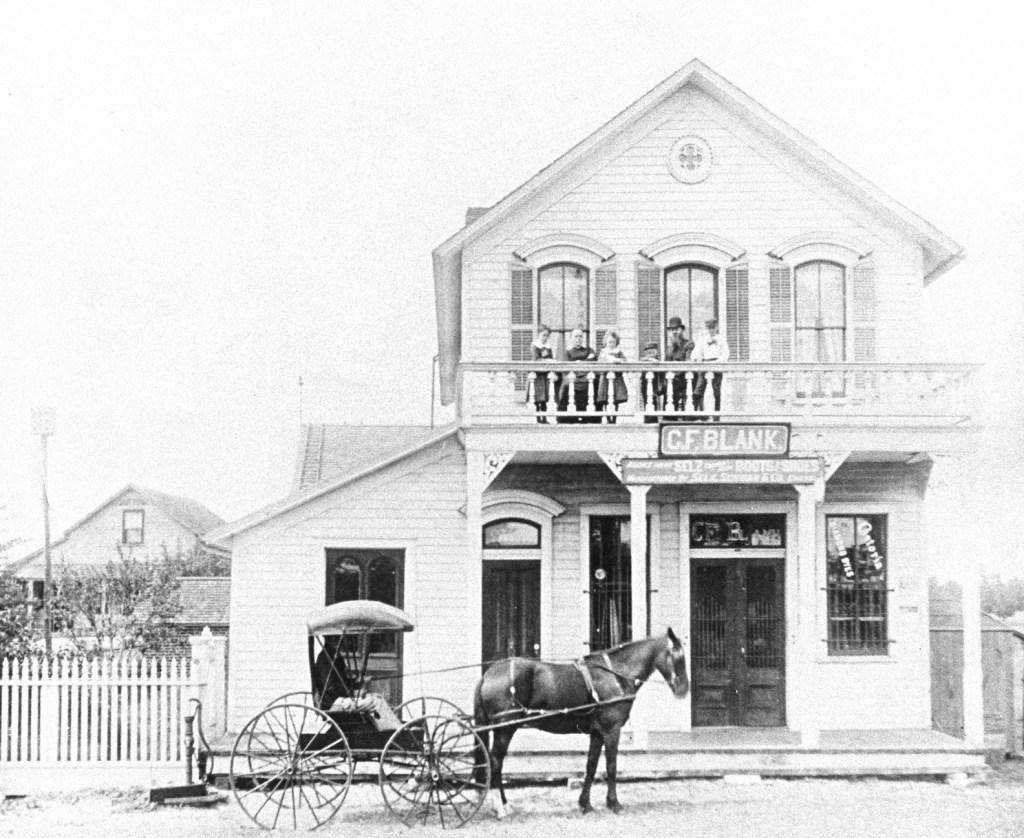
    Northwest Indiana is famously known as a melting pot, a coming together of a vibrant amalgam of people from many countries and different cultures, making the area rich in diversity. But what may be surprising to those of us who grew up in the Region, the first non-English speaking people to move into the Indiana Dunes region and establish settlements were not from Eastern Europe, Germany or Mexico but were instead Swedish immigrants.Beam Street with a cow

    “Many came first to Chicago which at one time had more Swedes than any city on earth except Stockholm,” says noted historian Ken Schoon, author of the recently released Swedish Settlements on the South Shore (Donning Company Publishers $30), noting that the legacy of these early Swedish immigrants can still be found throughout the Region even today.

    “Swedes established more than a dozen local churches, most of which are still active today,” he says “They built homes out of logs, lumber, and bricks, cleared and farmed the land, worked for the railroads and the brick factories, and established businesses, some of which are still in business today.  Several of the early Swedes served in the Union army in the Civil War.  Nearly all got American citizenship, and some were elected to political office.”

    Swedish settlements included neighborhoods in Hobart, Baillytown, Portage Township, Porter, Chesterton, and LaPorte as well as Swedetown in Michigan City. According to Schoon, Miller Beach, where Swedish families like those of my sister-in-law span five decades, was described in 1900 by Lake County historian Timothy Ball as mainly Swedish Lutheran.

    Bethel Swedish Lutheran Church, 1907 low res

    Other tie-ins with the Region’s Swedish past comprise Chellberg Farm, a historic farmstead, now part of Indiana Dunes National Lakeshore.

    “The Chellbergs were one of hundreds of Swedish families that immigrated to the ‘south shore’ area of Northwest Indiana,” says Schoon.  “They were the first non-English speaking immigrants to arrive in numbers large enough and lived close enough together to call the areas settlements.”

    Close by to Chellberg Farm and further back in time, Joseph Bailly, a French fur trader who founded a trading post which is also now within the Indiana Dunes National Lakeshore. According to Schoon, Bailly’s son-in-law Joel Wicker hired recently-arrived Swedes to cut down trees and prepare them for the railroads to be used as rail ties and as fuel for the steam engines.

    “Logs were also needed to build and heat their homes and for cooking,” says Schoon.  “When enough trees were cut down, Wicker then sold the land to his Swedish employees who then cleared the land for farming.  Other Swedes found employment as farm laborers, and working for sand and ice mining companies, and as blacksmiths and carpenters.  As the immigrants had more money, many purchased their own farms or started businesses in town.  The first licensed embalmer in Indiana was carpenter John Lundberg, a Chesterton Swede.”

    Chellberg Farm (1)
    Chellberg Farm Today Photo courtesy of the Indiana Dunes National Lakeshore 

    Many of the churches founded by Swedish immigrants still exist and for almost 70 years or so continued to offer Swedish-language services. Now services are in English and their congregations encompass more than those of Swedish ancestry.

    “Bethany Lutheran Church in LaPorte is the oldest Swedish-founded church in Indiana,” says Schoon.  “Until it closed last December, the Evangelical Covenant Church in Portage was the oldest Covenant Church in the state.  The Michigan Avenue Methodist Church in Hobart still uses its original 1889 white frame building and Michigan Avenue used to be called Swede Avenue.”

    Other churches are Bethany Lutheran and Grace Baptist  in LaPorte, Zion Lutheran in Michigan City, Bethlehem in Chesterton, Augsburg (Baillytown/Porter), Hope (Crisman/Portage), Bethel (Miller), and Augustana (HobartNordikids circle dance lowres

    Though Swedes, whose last names are similar to common  “American names” such as Anderson and Carlson, quickly assimilated into American culture, descendants of Swedes still learn Swedish songs and dances and celebrate the traditions of their forbears says Schoon and we also have assimilated into their traditional ways.

    “Even non-Swedes know about Vikings and may eat Swedish meatballs,” he says, noting that in 1952, 100 years after its founding, Chesterton still had more than 23 Swedish-owned businesses. “Smörgåsbord has become an American word—though to Swedes it has slightly different meaning.  Swedes and their descendants helped build the Calumet Area.”

    Swedes celebrate July 4th but also honor their own customs as well including Midsummer, the first day of summer and the longest day of the year, a holiday featuring a Maypole, singing, dancing, eating and drinking.

    “At least in Sweden,” says Schoon about the drinking part,  “but not at the Chellberg Farm where Midsummer is celebrated.”Vikings in the Hallway (1)

    But it isn’t all just history for Swedes and those of Swedish ancestry along the South Shore. The newest lodge in the Scandinavian Vasa Order of America was started in 2006 and sponsors “Nordikids” a very active organization for children and youth that teaches primarily Swedish songs, dances, and customs.  The group performs every year at many venues including Chicago’s “Christmas Around the World.

    Ken Schoon, the author, is not descended from Swedes, but he is married to the granddaughter of Swedish immigrants. His earlier works include Calumet Beginnings, Dreams of Duneland, and Shifting Sands, all published by Indiana University Press, and City Trees published by Stackpole Books.

    Ifyougo:

    Ken Schoon book presentations and book signings.

    Sunday, November 11@ 3pm.   Calumet City Historical Society, 760 Wentworth Ave, Calumet City, IL.  708-832-9390; calumetcityhistoricalsociety.org

    Wednesday, November 14@ 6:30pm.  Augsburg Church, Augsburg Evangelical Lutheran Church, 100 N Mineral Springs Rd, Porter, IN. 219-926-1658; augsburglutheran.org

    Sunday, November 25 @ 10:30.  Westminster Presbyterian Church, 8955 Columbia Ave, Munster, IN. 219-838-3131; wpcmunster.org

    Saturday, December 8 @ 9:30.  Brunch including Swedish pancakes and lingonberry syrup  and book signing, Dunes Learning Center, 700 Howe Rd, Porter, IN.  219-395-9555; duneslearningcenter.org


  • The Cookbook Library: Four Centuries of the Cooks, Writers, and Recipes That Made the Modern Cookbook

    The Cookbook Library: Four Centuries of the Cooks, Writers, and Recipes That Made the Modern Cookbook

    Still worried about that extra Halloween candy you gobbled down?  Imagine how many miles you’d have to spend on the treadmill after attending the 1450 banquet, held in England celebrating the enthronement of an archbishop where guests munched on 104 oxen, six ‘wylde bulles,’ 1,000 sheep, 400 swans and such game birds such as bustards (larger than a turkey), cranes, bitterns, curlews and herons?

    “Our ancestors had gastronomic guts,” Anne Willan tells me as we chat on the phone, she in Santa Monica, California where there’s sunshine and me in the cold Great Lakes region.  I find it fascinating to read old menus and descriptions of banquets and feasts and for that Willan, founder of famed French cooking school École de Cuisine la Varenne, recipient of the IACP Lifetime Achievement Award and author of 30 cookbooks, is the go to person.

    Even better, after collecting cookbooks for some 50 years and amassing a collection of over 5000 tomes, last year Willan and her husband, Mark Cherniavsky immersed themselves in their antiquarian cookbook library and came out with The Cookbook Library: Four Centuries of the Cooks, Writers, and Recipes That Made the Modern Cookbook (University of California Press $50).Anne Willan

    “Seals were eaten on fast days along with whale, dolphin, porpoise and thousands of other fish,” says Willan. Hmmm…that’s different than the macaroni and cheese and fish sticks I used to eat at the homes of my Catholic friends on Fridays.

    Here we peruse four centuries of gastronomy including the heavily spiced sauces of medieval times (sometimes employed because of the rankness of the meat), the massive roasts and ragoûts of Sun King Louis XIV’s court and the elegant eighteenth-century chilled desserts. One for the interesting detail, Willan also tells the story of cookbook writing and composition from the 1500s to the early 19th century. She highlights how each of the cookbooks reflects its time, ingredients and place, the  recipes adapted among the cuisines of Germany, England, France, Italy and Spain as well as tracing the history of the recipe.

    Historic cookbooks can be so much different than ours, ingredients unfamiliar and instructions rather vague. For example, Willan points out the phrase “cook until” was used due to the difficulty of judging the level of heat when cooking a dish over the burning embers in an open hearth. It wasn’t until the cast-iron closed stoves of the 19th century that recipes writers begin were finally able to give firm estimates for timing.

    For food historians and even those just appreciative of a good meal, the book is fascinating. For me as a food writer, I wonder about covering a dinner where birds flew out of towering pastries, seals were served and eels baked into pies and it was often wise to have a taster nearby in case someone was trying to poison you.

    Anne Willan 1

    The following recipe is from The Cookbook Library.

    Rich Seed Cake with Caraway and Cinnamon

    This recipe is based on a cake in The Compleat Housewife by Eliza Smith, published in London in the 1700s.  Willan, ever the purist, suggests mixing the batter by hand as it was done 300 plus year ago.

    “The direct contact with the batter as it develops from a soft cream to a smooth, fluffy batter is an experience not to be missed,” she says. “If you use an electric mixer, the batter is fluffier but the cake emerges from the oven less moist and with a darker crust.”

    At times, Willan needs to substitute ingredients. The original recipe listed ambergris as an option for flavoring the cake. “Ambergris,” writes Willan, “a waxy secretion from a sperm whale, was once used to perfume foods. As it is now a rare ingredient, I’ve opted for Mrs. Smith’s second suggestion, of cinnamon, which marries unexpectedly well with caraway.”

    1 pound or 31⁄2 cups) flour

    1 2⁄3 cups sugar

    6  tablespoons caraway seeds

    5 eggs

    4 egg yolks

    1 pound or 2 cups butter, more for the pan

    11⁄2 tablespoon rose water or orange-flower water

    2 teaspoon ground cinnamon

    Heat the oven to 325ºF. Butter a 9-inch springform pan. Sift together the flour and sugar into a medium bowl, and stir in the caraway seeds. Separate the whole eggs, putting all the yolks together and straining the whites into a small bowl to remove the threads.

    Cream the butter either by hand or with an electric mixer fitted with the paddle attachment. Add the yolks two at a time, beating well after each addition. Beat in the rose water. Whisk the egg whites just until frothy, then beat them, a little at a time, into the egg yolk mixture. Beat in the cinnamon. Finally, beat in the flour mixture, sprinkling it a little at a time over the batter. This should take at least 15 minutes by hand, 5 minutes with a mixer. The batter will lighten and become fluffier. Transfer the batter to the prepared pan.

    Bake until the cake starts to shrink from the sides of the pan and a skewer inserted in the center comes out clean when withdrawn, 11⁄4 to 11⁄2 hours. Let the cake cool in the pan on a rack until tepid, then unmold it and leave it to cool completely on the rack. When carefully wrapped, it keeps well at room temperature for several days and the flavor will mellow.


  • Young Lincoln: Growing Up in Southern Indiana

    Young Lincoln: Growing Up in Southern Indiana

    Many people aren’t aware that Abraham Lincoln spent his formative years in Southern Indiana, moving there from Kentucky with his family at age seven, leaving with them when he was 21.Jan Jacobi head shot

    It’s these years that Jan Jacobi, an avid Lincoln enthusiast and an award-winning educator who currently is teaching at St. Michael School of Clayton in St. Louis, chronicles in Young Lincoln (Reedy Press $16.95), his recently released book for readers ages 12 to 16.

    Growing up in New York, Jacobi moved to St. Louis in 1992 to take a teaching job and says he quickly realized how close his new home was to areas where Lincoln had lived including Southern Indiana and Springfield, Illinois, inspiring him to read book after book about the president.

    “One of my students asked me if there was a book he could read about young Lincoln,” recalls Jacobi who because of his towering height is frequently asked to portray the president.  “I said there really wasn’t one for his age range. And he told me that I should write one then.”

    Jacobi’s publisher agreed but with one more stipulation. He should write it in first person, using the voice of Lincoln as a youngster.

    “I thought no one can do that,” says Jacobi. “But then gradually the voice came to me—I just had to marinate in it.”

    Spending time in Spencer County, Indiana where Lincoln grew up, Jacobi talked to some of the residents whose ancestors had been friends of the Lincoln family. They shared with him their views of the Lincolns that had been passed down generation after generation.

    Thomas Lincoln has always been somewhat of a cipher—the youngest and least successful of three brothers who all witnessed the death of their father, another Abraham Lincoln, who was shot and killed by a Native American . When the future president was a youngster, Thomas Lincoln was a harsh father but that wasn’t unusual in pioneer days. Thomas also thought his son was wasting his time reading and learning and tried to discourage it. Young Lincoln, in turn, was contemptuous of his father’s illiteracy and failures to get ahead in life and sought the mentorship of other men  in the community who were learned and successful. Southern Indiana at that time was a wilderness where cougars and bears were always a menace, food was often scarce and life was harsh and often deadly. Lincoln’s mother died after contracting milk sickness as did a friend she’d been nursing for the same disease; his sister died in childbirth.

    As an adult, when his father was on his deathbed, Lincoln, now a successful lawyer, refused to visit him despite the appeals of his step-mother with whom he was exceptionally close and his step-brother. When Thomas died, Lincoln didn’t attend his funeral.

    “People in Southern Indiana are kinder to his father,” says Jacobi. “I’m a little harder on him.”

    How did Lincoln develop the resiliency that would allow him to overcome his early adversity to lead the country during one of its most tumultuous periods is a question that Jacobi says he has longed tried to answer.

    “Lincoln is a remarkable human being,” he says. “There are so many dimensions to him. We have to be careful not to turn him into a saint; but his essential goodness speaks to me.”

    So much so, that Jacobi is planning his next book about Lincoln’s time in Springfield.

    “Lincoln is endlessly fascinating,” says Jacobi. “He is the quintessential American. The only other person I put in that category is Mark Twain.”

    Ifyougo:

    What: Jan Jacobi discusses Young Lincoln. He will be joined in conversation by syndicated columnist Steve Chapman. A Q&A and signing will follow the discussion.

    When: Saturday, September 22 at 3 p.m.

    Where: 57th Street Books, 1301 E 57th St, Chicago, IL

    Cost: Free

    FYI: 773-684-1300; semcoop.com


  • The Mermaid Handbook: An Alluring Treasury of Literature, Lore, Art, Recipes, and Projects

    The Mermaid Handbook: An Alluring Treasury of Literature, Lore, Art, Recipes, and Projects


    OLYMPUS DIGITAL CAMERA
    Sea shell cookies perfect for Mermaids to nibble

    Life is busy for a lovely mermaid (and aren’t they all?). There’s riding seahorses through shimmering sea foam capped with frothy white waves, finding the perfect rock on which to display their fish-like tails sheathed in  iridescent spangles so they sparkle in the sunlight, combing their beautiful long locks and, of course, singing enticingly so that sailors forsake their duty and travel to their doom all to get a better look.

    For mermaids as well as mermaid wannabees or just those who love reading about these mythical creatures, folklore expert Carolyn Turgeon introduces us to their world in her recently released OLYMPUS DIGITAL CAMERA (Harper Design 2018; $35).

    Turgeon, the editor-in-chief of Faerie Magazine, a quarterly print publication and author of several books including The Faerie Handbook, showcases all things mermaid by dividing her handbook into four sections. In “Fashion and Beauty” we learn techniques on creating mermaid hair—face it, haven’t you always wanted a reason to sprinkle glitter throughout your locks. Of course, then you need a mermaid mirror to admire yourself. Not to worry Turgeon includes directions.  “Arts and Culture” tells the stories of sirens in classic mythology and contains luscious reproductions of mermaid art and recounts tales of mermaid from around the world. Fair warning—mermaids aren’t always nice.

    You don’t have to go down to the sea for the section on “Real Mermaids and Where to Find Them.” Here, Turgeon takes us to the advent of mermaids as entertainers starting with the story of Annette Kellerman who learned to swim like a fish in her native Australia to overcome rickets and bowed legs, eventually becoming strong enough to swim an average of 45 miles a week. So good at what she did, Kellerman began swimming for money at young age and by 1907 was performing as the Australian Mermaid throughout the United States in glass tanks and in 1916 starred in A Daughter of the Gods, the first movie to cost over a $1 million to make as well as the first one featuring a naked woman (don’t worry, her long mermaid hair covered the most private of parts).  Turgeon takes us into midcentury when there were a plethora of bars and restaurants with tanks for mermaids to perform in. Surprisingly, at least for me, not all of these have disappeared and some mermaid cocktail lounges are still in business including the Dive Bar in Sacramento, California, the Sip ‘N Dip Tiki Lounge in Great Falls, Montana and the Wreck Bar in Fort Lauderdale, Florida. We also learn the stories of women who have made their livings as mermaids.

    OLYMPUS DIGITAL CAMERA
    Mermaid libations

    Of course, even a mermaid has to eat and the last section of Turgeon’s delightful book “Food, Entertaining and Stories of the Sea” includes recipes for the types of edibles a mermaid might nibble such as Savory Sesame Seed and Seaweed Cookies, Salmon Poke with Wild Rice, Pineapple and Macadamia Nuts and an assortment of sea-themed shaped cookies covered with royal icing. And because what mermaid wouldn’t want to set the perfect table to indulge in such delights, there are crafts to create seashell fortune party favors and shell cocktail glasses to sip such libations as Blue Sea Cocktails and Seductive Siren Cocktails (recipes included).

    Those wanting to indulge their inner mermaids can try the recipes below.

    Honey Gingerbread Cookies with Royal Icing

    8 ounces of unsalted butter

    One and ½ granulated sugar

    2 cups good quality honey

    2 teaspoons baking powder

    4 teaspoons ginger

    4 teaspoon cinnamon

    1 teaspoon cloves

    1 teaspoon nutmeg

    ½ teaspoons salt

    ¼ cup cocoa powder, optional

    3 large eggs

    9 cups all-purpose flour

    1 large egg, lightly beaten and mixed with 1 teaspoon water

    Melt the butter in a medium sized saucepan over medium low heat. Add the sugar is still mostly dissolved, then pour in the honey and stir to combine. Cook until very hard and mixture is smooth, but did not boil. Remove from heat.

    Sift together baking powder, ginger, cinnamon, cloves, nutmeg and salt. Add up to 1/3 cup cocoa powder, depending on color desired. Add to the warm butter mixture and stir until well combined. Set aside to cool to room temperature.

    Transfer the mixture to the ball of an electric mixer and add three eggs, beating until combined. Gradually adding flour, beating all the while.

    When all the flour is absorbed, divided the dough in half and wrapped in several layers of plastic wrap.

    Store in a cool place for at least 24 hours, or up to a week in the refrigerator. If the Joe is refrigerated bring it to room temperature before proceeding.

    When you’re ready to bake, preheat the oven to 375°F. Unwrap the dough and place on a well-floured work surface. Knead flour into the dough until it is very smooth, pliable and not sticky. Roll up to ¼- inch thickness for small cookies, a little thicker for larger cookies.

    Use cookie cutters to cut cookies into mermaid friendly shapes such as seahorses, shells and starfish.

    Big six minutes, checking to see if any bubbles form. If they do, gently smooth with a spatula and continue to bake until done, about nine minutes total for medium cookies and up to 14 minutes for larger ones.  Remove to a wire rack and use a pastry brush to apply coat of the lightly beaten egg. Cool completely.

    Decorate with Royal Icing (see recipe below).

    Royal Icing

    2 pounds of powdered sugar

    ½ teaspoon cream of tartar

    1 to 2 teaspoons vanilla extract

    10 tablespoons liquid pasteurized egg whites

    Combine powdered sugar, cream of tartar, vanilla and pasteurized egg whites in the bowl of a stand mixer and beat high speed with a paddle attachment for 4 to 5 minutes.

    Store in an airtight container in the refrigerator.

    Blue Sea Cocktail

    1 ½ ounces white rum

    1 ounce Blue Curaçao

    ½ ounce Suze or any aperitif

    ½ ounce Luxardo Maraschino Liqueur

    ½ ounce simple syrup

    Dash fresh lemon juice

    Ice cubes

    Combine all the ingredients in the shaker.

    Shake until will chilled. Strain into a cocktail glass, on the rocks and serve immediately.

    From The Mermaid Handbook by Carolyn Turgeon.


  • Cooking with the Muse: A Sumptuous Gathering of Seasonal Recipes, Culinary Poetry and Literary Fare

    Cooking with the Muse: A Sumptuous Gathering of Seasonal Recipes, Culinary Poetry and Literary Fare

    Chef Myra Kornfeld and poet Stephen Massimilla have put together a luscious cookbook illustrating how poetry, prose and food have been inspirational throughout history.

    The 500-page book, “Cooking With the Muse: A Sumptuous Gathering of Seasonal Recipes, Culinary Poetry and Literary Fare,” is divided by seasons. It pairs 150 recipes with culinary poems, essays and historic anecdotes.W28choctart 2

    Massimilla provides a few stanzas from Book IX of Homer’s “The Odyssey” to accompany a recipe for Mediterranean Cauliflower-Kale Roast with Feta. He recounts how the cheese, which dates back to 8th century B.C., was originally aged and brined to keep it from spoiling in Greek’s hot, arid climate. The way it was made, he says, has changed very little since Odysseus entered Polyphemus’ cave.

    In the recipe for Corn Pudding “Soufflé,” the authors include John Greenleaf Whittier’s poem “Barbara Frietchie” as a preface to the simple recipe.

    They end the recipe with a recommendation for cooking fresh corn by Mark Twain, who very much enjoyed his meals.W8medcaulibake

    “Corn doesn’t hang on to its sugar long after it has been picked,” Massimilla writes. “The saying goes that you should put up a pot of hot water before you stroll out to the cornfield prepared to run back on the double. Mark Twain upped the challenge when he recommended carrying the boiling water to the garden to catch the corn with all its sweetness the moment it leaves the vine.”

    The following recipes are from “Cooking with the Muse.”

    Mediterranean Cauliflower-Kale Roast with Feta

    Serves 4 to 6.

    1 head cauliflower, cut into florets

    4 tablespoons extra virgin olive oil

    Salt

    3/4 pound curly kale, stemmed and torn into bite-size pieces

    1 tablespoon unsalted butter

    2 garlic cloves, minced

    1/4 cup Kalamata olives, chopped and pitted

    1 tablespoon capers, drained, rinsed and chopped

    1/4 cup water

    2 tablespoons oregano

    1 tablespoon lemon juice

    Black pepper

    2 ounces feta cheese (preferably from sheep’s milk), crumbled

    Preheat the oven to 375 degrees. Have ready a parchment paper-covered baking sheet.

    In one bowl, toss the cauliflower with 2 tablespoons of the oil and 1/2 teaspoon salt. Spread the cauliflower on the baking sheet and roast for 30 minutes, turning once halfway through.

    In another bowl, toss the kale with 1 tablespoon oil. Massage the oil into the leaves so each leaf is lightly coated. Sprinkle with 1/8 teaspoon salt.

    Roast the cauliflower for 30 minutes, then add the kale to the baking sheet. Return it to the oven and roast for an additional 10-15 minutes, until the cauliflower is browned and the kale is crispy. Remove from the oven.

    Warm the remaining tablespoon of oil with the butter in a large skillet until the butter melts. Add the garlic, olives and capers and cook for a minute or two, until fragrant. Stir in the cauliflower and kale, the water and the oregano. Combine thoroughly. Stir in the lemon juice and a sprinkling of pepper.

    Serve hot, with feta scattered on top.

    Chocolate Tart with Salt and Caramelized Pecans

    Makes one 9-inch tart.

    For the pecans:

    1 cup pecans

    1/3 cup maple sugar, Sucanat sugar, Rapadura sugar or coconut sugar

    1/8 teaspoon fine sea salt

    1/8 teaspoon cayenne pepper, optional

    1 large egg white

    For the crust:

    Oil and coconut flour, for preparing the pan

    2 cups unsweetened coconut, dried and shredded

    3 tablespoons granulated natural sugar (such as maple or Sucanat)

    1 teaspoon orange zest

    2 tablespoons coconut oil

    2 large egg whites

    For the filling:

    1 cup unsweetened coconut milk

    2 tablespoons maple sugar

    Pinch of salt

    7 ounces bittersweet chocolate, roughly chopped

    1 large egg, lightly beaten

    For the garnish:

    Fleur de sel (French sea salt) or other large-flake sea salt

    Position one rack in the middle of the oven and another in the lower third. Preheat the oven to 300 degrees. Have ready two parchment paper-covered baking sheets.

    To make the pecans, toss the pecans, sugar, salt and cayenne, if using, in a medium bowl. Stir in the egg white to combine. Spread on one of the baking sheets. Bake on the middle rack until the sugar has clumped on the nuts and the mixture looks sandy and dry, 25 to 30 minutes. Stir every 8 minutes or so during the baking so that pecans caramelize evenly.

    Let cool for a few minutes, transfer to a bowl and break up the clumps into small pieces. (The pecans can be stored at room temperature for up to a month.)

    While the pecans are baking, make the crust. Oil and flour a 9-inch tart pan with a removable bottom. In a medium bowl, combine the coconut, sugar and orange zest. Work in the coconut oil with your fingers until everything is moistened evenly.

    In a small bowl, whip the egg whites until frothy. Stir into the coconut mixture. Press the dough into the prepared tart pan. (Use a piece of plastic wrap between your hand and the dough to make pressing in the crust easier.) Give an extra press at the juncture where the sides meet the bottom, so you don’t have a triangular-shaped thick wedge of crust in the corners.

    Place the tart pan on the other baking sheet. Bake the crust on the lower rack until it is a deep golden brown, about 15 minutes, checking after 10.

    While the crust is baking, make the filling. In a small saucepan, bring the coconut milk, sugar and salt to a simmer. Remove from the heat, add the chocolate and stir with a whisk until the chocolate is completely melted and smooth. Cover to keep warm.

    Just before the crust is ready, whisk the egg thoroughly into the chocolate. Pour the filling into the hot crust. Return the tart (still on the baking sheet) to the oven. Bake until the filling is set around the edges, 10 to 15 minutes. The filling should still jiggle a little in the center when you nudge the pan. Set on a rack to cool.

    Unmold the tart and serve at room temperature or slightly chilled. Before serving, sprinkle a light dusting of flaky salt and the pecan clusters over the tart. Alternatively, serve each piece with a light dusting of coarse salt, then sprinkle the top with the caramelized pecans.

    Cook’s note: The tart may be refrigerated for up to three days.

  • Lost Recipes of Prohibition: Notes from A Bootlegger’s Manual
    Lost Recipes of Prohibition: Notes from A Bootlegger’s Manual

    When I was writing my book, A Jazz Age Murder in Northwest Indiana (History Press), about Nettie Diamond, a wealthy widow and pharmacist who was murdered by her fifth husband, a much younger bootlegger named Harry in Indiana Harbor on Valentine’s Day 1923, one of the things I learned was that it was relatively easy to get a permit during Prohibition to buy medicinal alcohol and distribute it.

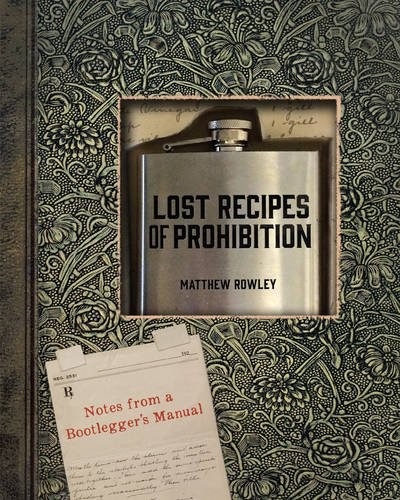
    A Jazz Age MurderThat may be why I’m finding a new book, Lost Recipes of Prohibition: Notes from A Bootlegger’s Manual by Matthew Rowley (The Countryman Press 2015; $27.95) to b/dp/1626194785e a fascinating read.

    Nominated for a James Beard Award, it contains more than 100 secret and forgotten formulas for illicit booze

    Rowley, who describes himself as specializing in folk distilling and the manufacture and distribution of illicit spirits, was given an old book titled The Candle and The Flame, The Work of George Sylvester Viereck. The interior didn’t contain any poems by Viereck, a popular poet up until his pro-German sensibilities during World War I made him a pariah in the U.S. Instead, the book’s once blank pages contained a plethora of handwritten distilled spirit recipes procured and preserved by a New York pharmacist named Victor Alfred Lyon.

    As for Harry, he wasn’t supposed to sell alcohol for non-medicinal purposes like he did—by adding real spirit company labels to his own bottles…but that was Harry who also.  According to Rowley, many pharmacists made alcoholic concoctions to help ailing (or just plain thirsty) customers and many distilleries were allowed to continue to operate to provide product. Rowley points out that during Prohibition, the sale of sacramental wine went sky high as people suddenly became much more religious.

    Lyon’s recipes were collected from a variety of sources and at the time he was gathering them, some were a century or so old. Rowley organized the recipes in chapters such as Absinthe, Cordials, and Bitters and Gin; Compounding Spirits and Gin, Whiskey and Rum.

    A16Uu2qC24L._SL1500_

    Less a cookbook than a history and how-to of spirit making, Rowley does include many of Lyon’s recipes from a simple cocktail that silent screen movie star Mary Pickford enjoyed to the complex (and supersized) such as one for Rumessenz which calls for gallons of ingredients and was used by wholesalers, barkeepers, importers and exporters to make an essence of rum they could use for adding the aroma and tastes of rum to a batch of plain alcohol creating a higher profit margin.

    That’s similar to what Harry Diamond did as well and at his trial he told the court he made about $20,000 a month from bootlegging. And that was in 1923 dollars.

    Harry went to the electric chair so he didn’t have much time to enjoy his earnings. But in celebration of the newly found recipes of Prohibition, mix up a drink or two and enjoy!

    lost_recipes_prohibition_4

    Lanizet: Sour Mash Cajun Anisette

    • 3 quarts water
    • 25 ounces sugar
    • ½ teaspoon anise oil
    • ½ tablespoon vanilla extract
    • ½ teaspoon red food coloring
    • 3 cups bourbon or Tennessee whiskey
    • 5 to 7 pounds ice

    Pour 1 ½ quarts of the water in a medium stockpot. Note the depth of the liquid. Later, you will boil the syrup to this height. For now, pour in the remaining water and all the sugar. Bring to a boil, stirring until sugar is dissolved. Lower the heat and simmer until the liquid reduces to 1 ½ quarts, 50 or 60 minutes, stirring occasionally. Remove from the heat.

    While the syrup is simmering, sterilize five new or well-scrubbed 1-pint canning jars in a deep pot or canning pot. Leave the jars in the hot water until you’re ready to use them. Wash and boil the lids and rings according to the manufacturer’s directions.

    When the syrup reaches that 1.5-lquart mark, turn off the heat and remove the pot from heat. Stir in the anise oil, vanilla and food coloring until thoroughly mixed, then stir in the whiskey. Remove the jars from their hot water bath with tongs. Place the jars (don’t touch with your bare hands) on a wooden surface or folded towels and immediately pour the crimson liquid into the jars up to 1⁄2 inch from the tops. Wipe any dribbles or spills from the rims with a clean, damp cloth and place hot lids on top with sealing compound down; screw on the metal rings firmly but not too tightly.

    Line your sink with a damp dish towel; it will prevent the hot jars from breaking when they touch the cool surface. Immediately place the jars upright in the sink, then slowly fill it with cool tap water so it covers the jars. As the jars cool, you’ll hear a series of metallic pops and pings; that’s a vacuum forming in each jar. When the jars are cool to the touch, after 5 to 10 minutes, place them upright in a tub of ice, with ice to top off the jars, to cool the anisette as quickly as possible. Once contents of jars are well chilled, about 1 hour, remove the jars from the ice. Label and date the jars, then store upright in a cool, dark place.

    Yield: 5 pints

    From Lost Recipes of Prohibition.

  • The story behind ‘Lincoln in the Bardo’

    LINCOLN IN THE BARDOSeveral decades ago, George Saunders and his wife were visiting Washington D.C. when their cousin mentioned that anecdotal evidence indicated President Abraham Lincoln had surreptitiously visited the tomb of his 11-year-old son, Willie.

    For years, the story of Lincoln, so overcome by grief, that he stole into the monument where his son was interred, nagged at the edges of Saunders’s mind. But Saunders, who teaches in the creative writing program at Syracuse University, had never written a novel and besides his writing was mostly satirical in nature.

    “But this material has been calling me all these years,” says Saunders, author of Lincoln in the Bardo (Random House 2017; $28). “It’s like their story was a stalker, it kept showing up at my window and it needed to get out.”

    Justifying his foray into a new literary form by telling himself he’d had a nice run regarding his career—Saunders is an acclaimed short story writer who is included in Time’s list of the 100 most influential people the world, he decided why not try “this Lincoln thing.”

    Saunders still had doubts about his ability to tell the story in the way the way it needed to be told. But having grown up in Chicago as part of a devout Catholic family and now having adapted some of the tenets of Buddhism in the Tibetan tradition, he has written a book that though just recently released is already garnering great reviews.

    Bardo is a Tibetan concept–a kind of transitional zone says Saunders.

    “We’re all in the bardo right now that goes from birth to death,” he says, noting that Buddhists would call these transition stages reincarnation and noting that the book takes place just after that, in the bardo that goes from death to whatever comes next. “Now is the time to live–knowing that death is coming—if we can accept ourselves as a mess.”

    With all his research, Saunders has come to see how Lincoln persevered despite the immense weight of the Civil War, the deaths of so many Americans and that of his son as well.

    “We had a president back then who bent,” he says, “when others would have broken.”

  • How the French Saved America

    Give credit to France for the forming of our nation because without their help we might still be, as stereotypes go, eating crumpets, drinking tea and speaking with British accents.

    That’s the focus of a new book by noted author Tom Shachtman in his latest book How the French Saved America: Soldiers, Sailors, Diplomats, Louis Xvi, and The Success of a Revolution (St. Martin’s Press 2017; $27.99).

    While many of us know about the Marquis de Lafayette whose help during the Revolutionary War was so vital that we’ve named cities after him–Lafayette, Indiana and Louisiana come quickly to mind. But the Marquis wasn’t the only Frenchman who risked his life to help America achieve its independence. Indeed, according to Shachtman in his extensively researched and wonderfully written book, almost ten percent of those who perished fighting for our cause were from France.

    Those surviving include not only Lafayette but also Admiral François Joseph Paul de Grasse, commander of the French fleet during the Battle of the Chesapeake.  He and his men created a naval blockade of Yorktown thus allowing General George Washington and yet another Frenchman, Comte de Rochambeau, to defeat British Lieutenant General Charles Cornwallis in what was a decisive battle. Another, Louis Duportail founded the Army Corps of Engineers.

    Even Shachtman, who has written or co-authored more than thirty books as well as documentaries for ABC, CBS, NBC, PBS, and BBC, taught at New York University and lectured at Harvard, Stanford and the Library of Congress, at first didn’t realize how much the French impacted America’s victory. He first became aware of France’s significance when writing another book Gentlemen Scientists and Revolutionaries: The Founding Fathers in the Age of Enlightenment and decided to pursue the subject. The assistance the French provided included, among a long list, money to pay our troops, weapons, safe harbor for privateers, troops, battlefield leadership and engineering expertise.

    So why is France’s contribution not better known?

    “We are too invested in our own myths to acknowledge how much we owe our freedom to France,” says Shachtman, noting our belief in our rugged individualism and self-sufficiency could also play a big part. “The war might not have been won at all, or not been won by 1783 if not for the French.”

    Ifyougo:

    What: Tom Shachtman has three talks and book signings in the Chicago area.

    When: Tuesday, October 17, 2017 6 pm

    Where: The Newberry, 60 W. Walton St., Chicago, IL

    FYI: 312-255-3610; publicprograms@newberry.org

    What: Learn & Lunch with Tom Shachtman

    When: Wednesday, October 18 at noon

    Where: University Club of Chicago, 76 E. Monroe St., Chicago, IL

    FYI: 847-446-8880 to make a reservation

    What: Tom Shachtman Reading & Signing

    When: Thu. October 19 at 7pm

    Where: The Book Cellar, 4736-38 N Lincoln Ave., Chicago, IL

    FYI: (773) 293-2665


  • Author shares Rosh Hashanah recipes: Cookbook offers sweet, savory recipes to celebrate the new year

    Author shares Rosh Hashanah recipes: Cookbook offers sweet, savory recipes to celebrate the new year

    Rosh Hashanah, the Jewish New Year, celebrates heritage and a chance for rejuvenation.

    Emily Paster, author of the newly released “The Joys of Jewish Preserving: Modern Recipes with Traditional Roots, for Jams, Pickles, Fruit Butters, and More — for Holidays and Every Day” said the most common Rosh Hashanah tradition is to eat sweet foods to symbolize the hope for a new year.

    “Ashkenazi Jews, for example, often begin the Rosh Hashanah meal by dipping slices of apple in honey,” said Paster, who lives in the Chicago area and writes the popular blog westoftheloop.com. “Quince is the traditional Rosh Hashanah fruit for Sephardic Jews. Other foods are traditional because eating them is considered to be a good omen for the new year, bringing luck and prosperity. These traditions are often based on a food’s color or appearance; or, more obscurely, they are a play on the Hebrew or Yiddish name for the food.”

     As an example of this play on words, Paster gives the example of eftes de prasa, or leek fritters.

    “With fall being peak season for leeks, these sweet, tender fritters are the perfect appetizer for your Rosh Hashanah meal. And, naturally, leeks are also a symbolic food for the start of the new year. The word for leek in Hebrew is related to the word kareyt, which means ‘to cut.’ Prior to eating leeks on Rosh Hashanah, Sephardic Jews recite a special prayer that those who wish to hurt them will instead be cut down.”

    Some of the Rosh Hashanah recipes included in Paster’s book are Fruitful Fig Jam, Golden Pumpkin Butter, Quince Paste and Apple Honey and Rose Water Jam.

    “Every recipe in my book was inspired by an idea, and I developed every recipe myself because I wanted it to be a cookbook that everyone can use,” Paster says.

    Some recipes call for canning and the use of a pressure cooker. If you’re short on time, you can make the jams, ketchups, pickles, conserves, chutneys and pastes and then refrigerate them. It means a shorter shelf life but less time in the kitchen.

    As for Paster, this Rosh Hashanah holiday she’ll definitely be making a round challah.

    “Usually challah is a braided oval, but we make a round one on RH to symbolize the never-ending cycle of years and seasons, says Paster, a graduate of Princeton University and University of Michigan’s Law School and a former attorney whose interest in food segued into researching and writing about the subject.

    “I begin the meal with chicken soup and a meat-filled dumpling called kreplach. These dumplings are not as famous as matzo balls, but they are very special and traditional for the High Holidays. Some people serve them the night before Yom Kippur — which is the day we fast. I also usually make brisket for the main course. These leek patties are a nice side dish. Dessert is often an apple or honey cake. I like to change it every year.”

    Eftes de Prasa (Leek Fritters)

    6 leeks, white and green parts only, halved and sliced thinly

    3 tablespoons extra virgin olive oil

    2 eggs beaten

    1/2 cup dry bread crumbs, such as Panko

    1/4 cup chopped chives

    Salt and pepper to taste

    1/4 cup neutral oil with high smoke point from frying, such as canola or grapeseed

    Lemon wedges for serving

    Heat the olive oil in a large, deep skillet over medium heat.

    Sauté the sliced leeks until softened, about ten minutes, but do not allow them to brown. Adjust heat as necessary. Season well with salt and pepper.

    Place softened leeks in a large bowl. Add beaten egg, bread crumbs, and chives and combine well.

    Heat oil for frying in a large nonstick skillet over medium-high heat. Preheat oven to 250. When oil is shimmering, but not smoking, form golf ball-sized balls of batter with damp hands and drop them, three or four at a time, in the skillet and flatten slightly with a spatula.

    Cook fritters until browned on first side, 1-2 minutes and turn carefully turn them over and cook on other side, another 1-2 minutes until browned. Remove to a paper towel-lined plate to drain.

    Repeat with remaining batter, adding more oil to the skillet as necessary. Keep cooked fritters warm in the oven until all the batter is cooked.

    Serve with lemon wedges for squeezing.

    Fritters can be made in advance and chilled until needed. Reheat in a 400 degree oven prior to serving.

    Challah

    Makes 1 loaf

    4 cups all-purpose flour

    2¼ teaspoons instant yeast

    1 cup water,

    approximately 110 degrees

    3 eggs, at room temperature

    ¼ cup vegetable oil

    3 tablespoons sugar

    2 tablespoons honey

    1 teaspoon salt

    Poppy or sesame seeds, for garnish (optional)

    In the bowl of a standing mixer fitted with a dough hook, combine the flour, yeast, and warm water. Stir to combine. Add 2 eggs, the vegetable oil, sugar, honey, and salt.

    Mix the dough with the dough hook until a smooth dough emerges, about 5 minutes.

    Turn the dough out onto a well-floured board and knead by hand for an additional 5 minutes, adding more flour frequently to prevent sticking.

    The dough should be smooth and elastic. It may be slightly tacky to the touch.

    Place the dough in a bowl that has been oiled on all sides. Cover the dough with a clean cloth and allow it to rise in a warm place for 2 hours or until doubled in size. Punch down risen dough and divide into 3 equal parts. I like to use my kitchen scale to ensure my pieces are of equal size.

    Roll each piece into a thin strand about 2 feet long. Pinch the 3 strands together at the top and then braid until you reach the end of each strand. Take the ends and pinch them closed and tuck the under the loaf.

    Carefully transfer the braided loaf to a baking sheet lined with parchment paper or a silicone baking mat. Cover the loaf with a clean tea towel and allow to rise for an additional 30 minutes to 1 hour, until doubled in size.

    Preheat the oven to 350 degrees.

    Before placing the loaf in the oven, beat the remaining egg with 1 tablespoon of water in

    a small bowl. Brush the egg wash on the challah, making sure to get in the crevices of the braids. If desired, sprinkle sesame or poppy seeds over the top. Bake 35 to 40 minutes until golden brown.

    Allow to cool on a wire rack before cutting.

    Apple, Honey and Rose Water Jam

    Makes four 8-ounce jars

    3 pounds apples, peeled, cored, and cut into ½-in dice (6 to 7 cups prepped)

    2 tablespoons lemon juice

    1½ cups sugar

    1 cup honey

    1 teaspoon rose water

    Prepare a boiling water bath and heat four 8-ounce jars.

    Place the apples, ½ cup of water, and lemon juice in a wide, deep saucepan. Bring to a boil over high heat, stir, and cover the pot. Lower the heat to medium, and cook until the apples are soft, about 10 minutes, stirring once or twice to prevent sticking or burning.

    Mash the apples coarsely with a fork or potato masher. Add the sugar and honey to the pot, stirring to dissolve. Return to a boil over medium-high heat.

    Continue to cook, stirring frequently, until the mixture is thick and mounds up on a spoon, about 10 to 15 minutes. It will splatter, so use caution.

    Remove the jam from the heat and stir in the rose water. Ladle jam into clean, warm jars, leaving ¼ inch of headspace at the top. Bubble the jars and wipe the rims with a damp cloth. Place the lids on the jars and screw on the rings just until you feel resistance. Process the jars in a boiling water bath for 10 minutes. Allow to cool in the water for 5 minutes before removing. Store in a cool, dark place for up to 1 year.

  • Hauntings of the Underground Railroad: Ghosts of the Midwest

    Before the Civil War, a network of secret routes and safe houses crisscrossed the Midwest to help African Americans travel north to escape slavery. Although many slaves were able to escape to the safety of Canada, others met untimely deaths on the treacherous journey—and some of these unfortunates still linger, unable to rest in peace.

    The author in front of an Underground Railroad stop said to be haunted.

    In Hauntings of the Underground Railroad: Ghosts of the Midwest, Jane Simon Ammeson investigates unforgettable and chilling tales of these restless ghosts that still walk the night. This unique collection includes true and gruesome stories, like the story of a lost toddler who wanders the woods near the Story Inn, eternally searching for the mother torn from him by slave hunters, or the tale of the Hannah House, where an overturned oil lamp sparked a fire that trapped slaves hiding in the basement and burned them alive. Brave visitors who visit the house, which is now a bed and breakfast, claim they can still hear voices moaning and crying from the basement.

    Ammeson also includes incredible true stories of daring escapes and close calls on the Underground Railroad. A fascinating and spine-tingling glimpse into our past, Hauntings of the Underground Railroad will keep you up all night.