Category: Cookbooks

  • Wine Country Table

    Wine Country Table

    Taking us on a road trip that meanders from northern to southern California, James Beard award winner Janet Fletcher shows us how diverse the state’s growers and growing regions are in her latest book, The Wine Country Table: With Recipes that Celebrate California’s Sustainable Harvest. Accompanied by lush photographs by Robert Holmes and Sara Remington, the book was commissioned by the Wine Institute — a California wine advocacy group that received a grant to promote California’s specialty crops.

                  “What really came home to me was that there are so many different climates here in California,” says Fletcher who not only visited a plethora of wineries but also cherry orchards and avocado farms. She also learned about the sustainable practices that growers are incorporating in a state previously hit with a long-running drought.

                  Her recipes include suggested pairings with different wines and shows you how to recreate this type of casual but delicious dining at home.

    Golden Beet, Pomegranate, and Feta Salad

    SERVES 4

    WINE SUGGESTION: California Gewurztraminer or Pinot Gris/Grigio

    4 golden beets, about 1 1⁄2 pounds (750 g) total, greens removed

    2 tablespoons white wine vinegar 6 fresh thyme sprigs

    3 allspice berries

    1 whole clove

    1 clove garlic, halved

    DRESSING:

    11⁄2 tablespoons white wine vinegar

    1 tablespoon finely minced shallot

    3 tablespoons extra virgin olive oil Kosher or sea salt

    1⁄4 head radicchio, 3 ounces, thinly sliced 1⁄2 cup chopped toasted walnuts

    12 fresh mint leaves, torn into smaller pieces

    2 to 3 ounces Greek or French feta

    1⁄3 cup pomegranate arils (seeds)

    Preheat the oven to 375°F.

    Put the beets in a small baking dish and add water to a depth of 1∕4 inch. Add the vinegar, thyme, allspice, clove, and garlic. Cover and bake until the beets are tender when pierced, about 1 hour, depending on size. Remove from the oven and peel when cool enough to handle. Let cool completely, then slice thinly   with a sharp knife.

    Make the dressing: In a small bowl, combine the wine vinegar and shallot. Whisk in the olive oil. Season with salt and let stand for 15 minutes to allow the shallot flavor to mellow.

    In a bowl, toss the beets and radicchio gently with enough of the dressing to coat lightly; you may not need it all. Taste for salt and vinegar and adjust as needed. Add the walnuts and half the mint leaves and toss gently. Transfer to a wide serving platter. Crumble the feta on top, then scatter the pomegranate arils and remaining mint leaves overall. Serve immediately.

    Little Gem Lettuces with Olive Oil–Poached Tuna

    This dish requires a lot of olive oil for poaching, but you won’t waste a drop. Use some of the flavorful poaching oil in the salad dressing; strain and refrigerate the remainder for cooking greens or for dressing future salads. The strained oil will keep for a month.

    WINE SUGGESTION: California rose or Sauvignon Blanc

    1 albacore tuna steak, about 10 ounces) and 3⁄4 to 1 inch thick

    3⁄4 teaspoon ground fennel seed

    3⁄4 teaspoon kosher or sea salt

    1 large fresh thyme sprig

    1 bay leaf

    1 clove garlic, halved

    6 black peppercorns

    1 3⁄4 to 2 cups extra virgin olive oil

    DRESSING:

    6 tablespoons extra virgin olive oil (from the tuna baking dish)

    3 tablespoons red wine vinegar

    1 tablespoon salt-packed capers, rinsed and finely minced 1 teaspoon dried oregano

    1 small clove garlic, finely minced

    Kosher or sea salt and freshly ground black pepper

    11⁄2 cups cooked chickpeas (drain and rinse if canned)

    1⁄2 pound Little Gem lettuce or romaine hearts 1⁄4 pound radicchio

    1⁄2 red onion, shaved or very thinly sliced

    3⁄4 cup halved cherry tomatoes

    1⁄4 cup chopped fresh flat-leaf parsley

    Preheat the oven to 200°F. Remove the tuna from the refrigerator 30 minutes before baking.

    Season the tuna on both sides with the fennel seed and salt. Put the tuna in a deep ovenproof baking dish just large enough to hold it. Add the thyme, bay leaf, garlic, and peppercorns. Pour in enough olive oil just to cover the tuna.

    Bake until a few white dots (coagulated protein) appear on the surface of the fish and the flesh just begins to flake when probed with a fork, 30 to 40 minutes. The tuna should still be slightly rosy inside. Remove from the oven and let cool to room temperature in the oil.

    Make the dressing: In a bowl, whisk together the olive oil, vinegar, capers, oregano, garlic, and salt and pepper to taste. Add the chickpeas and let them marinate for 30 minutes.

    With a slotted spatula, lift the tuna out of the olive oil and onto a plate.

    Put the lettuce in a large salad bowl. Tear the larger outer leaves in half, if desired, but leave the pretty inner leaves whole. Tear the radicchio into bite-size pieces and add to the bowl along with the onion, tomatoes, and parsley.

    Using a slotted spoon, add the chickpeas, then add enough of the dressing from the chickpea bowl to coat the salad lightly. By hand, flake the tuna into the bowl. Toss, taste for salt and vinegar, and serve.

    Seared Duck Breasts with Port and Cherry Sauce

    SERVES 4

    Cooking duck breasts slowly, skin side down, helps eliminate almost every speck of fat. After about 20 minutes, the skin will be crisp and the flesh as rosy and tender as a fine steak. Serve with wild rice.

    Duck breasts vary tremendously in size; scale up the spice rub if the breasts you buy are considerably larger.

    WINE SUGGESTION: California Cabernet Sauvignon or Merlot

    SEASONING RUB:

    8 juniper berries

    2 teaspoons minced fresh thyme 2 teaspoons kosher or sea salt

    1 teaspoon black peppercorns

    4 boneless duck breasts, about 1⁄2 pound each

    SAUCE:

    1 cup Zinfandel Port or ruby port

    1 shallot, minced

    3 fresh thyme sprigs

    1 strip orange zest, removed with a vegetable peeler 1 tablespoon balsamic vinegar

    24 cherries, pitted and halved

    1⁄2 cup strong chicken broth, reduced from 1 cup 

    1⁄2 teaspoon sugar

    Kosher or sea salt and freshly ground black pepper 1 tablespoon unsalted butter

    Make the seasoning rub: Put the juniper berries, thyme, salt, and peppercorns in a mortar or spice grinder and grind to a powder.

    Slash the skin of each breast in a crosshatch pattern, stopping short of the flesh. (The slashes help render the fat.) Sprinkle the seasoning rub evenly onto both sides of each breast. Put the breasts on a flat rack and set the rack inside a tray. Refrigerate uncovered for 24 to 36 hours. Bring to room temperature before cooking.

    Choose a heavy frying pan large enough to accommodate all the duck breasts comfortably. (If necessary, to avoid crowding, use two frying pans.) Put the breasts, skin side down, in the unheated frying pan and set over medium- low heat. Cook until the skin is well browned and crisp, about 15 minutes, frequently pouring off the fat until the skin no longer renders much. (Reserve the fat for frying potatoes, if you like.)

    Turn the duck breasts and continue cooking flesh side down, turning the breasts with tongs to sear all the exposed flesh, until the internal temperature registers 125°F on an instant-read thermometer, about

    3 minutes longer. Transfer the breasts to a cutting board and let rest for 5 minutes before slicing.

    While the duck cooks, make the sauce: In a small sauce- pan, combine the port, shallot, thyme, orange zest, vinegar, and half of the cherries. Bring to a simmer over medium heat and simmer until reduced to 3∕4 cup. Add the broth and sugar and simmer until the liquid has again reduced to 3∕4 cup Remove from the heat and, with tongs, lift out the thyme sprigs and orange zest and discard.

    Puree the sauce in a blender. Set a very fine-mesh sieve over the saucepan and pass the sauce through the sieve, pressing on the solids with a rubber spatula. Return to medium heat, season with salt and pepper, and simmer until reduced to 1∕2 cup. Stir in the remaining cherries and remove from the heat. Add the butter and swirl the saucepan until the butter melts.

    Slice the duck on the diagonal. Spoon some of the sauce on each of four dinner plates, dividing it evenly. Top with the sliced duck. Serve immediately.

    The above recipes are Wine Country Table: With Recipes that Celebrate California’s Sustainable Harvest by Janet Fletcher in cooperation with the Wine Institute, Rizzoli, 2019.

    Jane Ammeson can be contacted via email at janeammeson@gmail.com or by writing to Focus, The Herald Palladium, P.O. Box 128, St. Joseph, MI 49085.

  • The Italian Table: Creating Festive Meals for Family & Friends
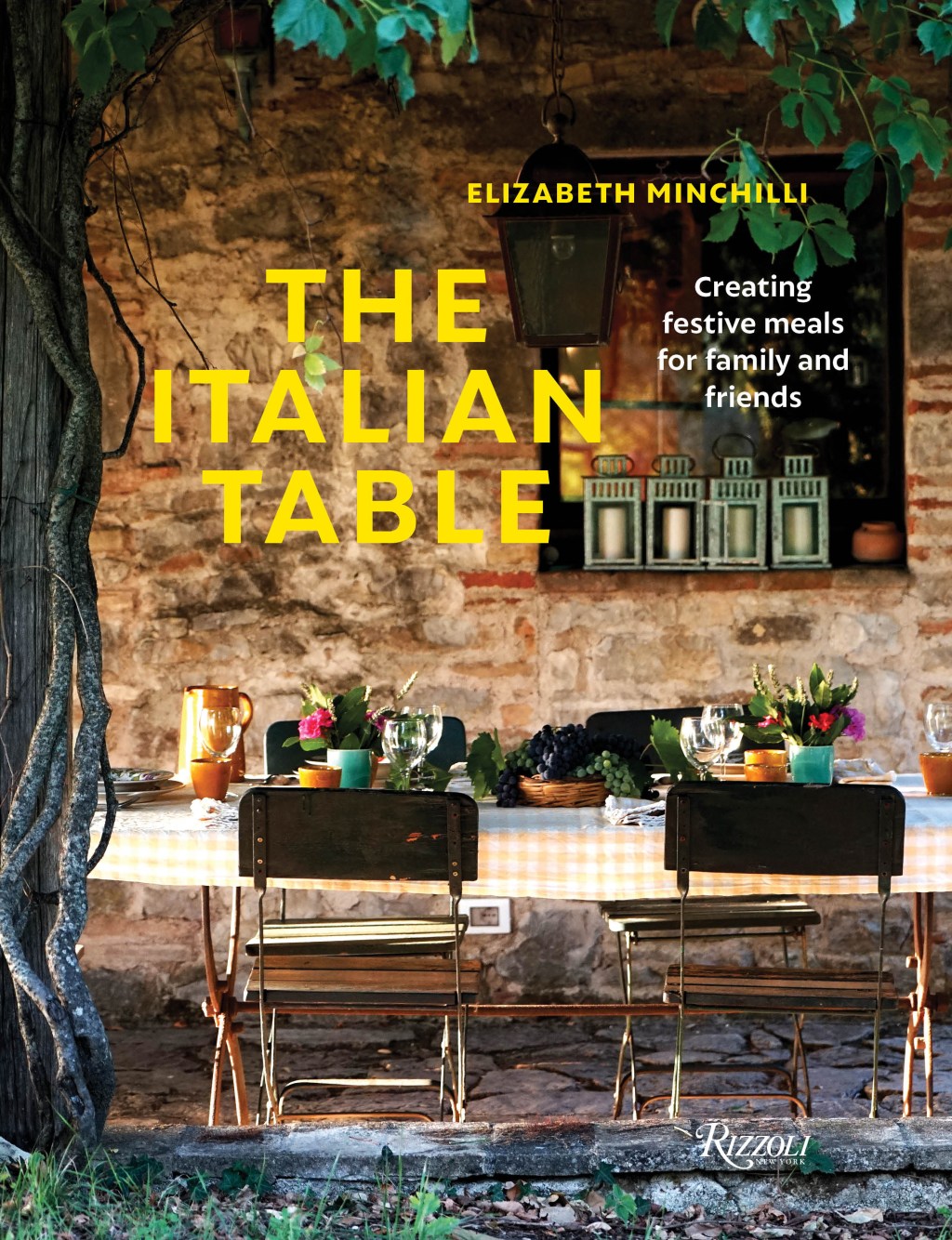
    The Italian Table: Creating Festive Meals for Family & Friends

    Elizabeth Minchilli, who has lived in Italy for a quarter of a century, has created a way for all of us to experience certain special food events that comprise the country’s heritage in much the same way as their monuments (think The Colosseum, St. Peter’s and the Leaning Tower of Pisa) are must-sees for visitors. She shows us how, in her latest cookbook, The Italian Table: Creating Festive Meals for Family and Friends, to completely replicate such Italian food culture in such chapters as a Sunday Lunch in Email-Romagna, Farm to Sicilian Table, Panini Party in Umbria and A Table by the Sea in Positano. Because Minchilli’s background and interests are not only culinary but also envelope style and architecture, she tells us not only what to drink and eat but also how to create the tablescape as well.  

    As an example, her Pizza by the Slice in Rome meal calls for “for the authentic pizzeria al taglia vibe, use plastic or—more sustainable—paper.”

                  Minchilli, who is from St. Louis, Missouri but moved to Rome with her parents when she was 12, developed such a passion for the all things Italy (she even married an Italian man) and in her words, had an Italian baby, an Italian house and an Italian dog.

                  “That was after I returned as a graduate student to study Renaissance garden architecture in Florence,” says Minchilli when I talk to her using Skype as she was at her home in Rome.

                 I discover, as we talk, that I already have one of her books, a luscious tome titled Villas on the Lakes that someone had given me years ago and which I still leaf through to marvel at all the wonderful photos. Minchilli is one of those people who seems to do it all, she’s written nine books including Restoring a Home in Italy, takes all her own photos, writes an award winning website, elizabethminchilli.com, developed her Eat Italy app and offers food tours to behind the scenes culinary destinations as well as posting on You Tube and other social media.

                  She tells me that her love for food began when she was given one of those easy-bake ovens when she was a kid.

                  “I became the cook of the family,” she says, though she obviously she’s moved way beyond a toy where the oven is heated by a light bulb.

                  The Italian Table is her ninth book.

                  “I’m really happy about it,” says Minchilli. “This is really the book where I can bring everything together—the food, the people who make the plates, what is surrounding us, the whole experience.”

                  She was motivated to write the book after being questioned countless about how Italian food and dining. To showcase that, she decided on highlight 12 different dinners and photograph and write about them in real time—as they were being planned, cooked and served.

                  “I wanted people to know how Italians really eat and I decided to do that by meals in different areas and then narrowed it down by going deeper into how it all comes together,” she says. “I set it up so you can go through the cookbook and decide what you like.”

                  She’s also included a time table, what to do, depending upon the dinner, two days before, one day before, two hours before, one hour before and when your guests arrive. And there are ways to lessen the cooking load for the more intensive and elaborate dinners.

                  “Food is about being social and sharing,” Minchilli tells me. “A lot of people are scared to have people over and so I wanted to take fear out of the equation. That’s why I give people a game plan by telling people when to shop, when they should set the table and also how far ahead to do things so that there’s less to do at the last minute. It reduces the stress and fear and makes it more approachable.”

  • Food of the Italian South by Katie Parla

    Food of the Italian South by Katie Parla


    U Pan Cuott. Photo credit Ed Anderson.

    It’s personal for Katie Parla, award winning cookbook author, travel guide and food blogger who now has turned her passion for all things Italian to the off-the-beaten paths of Southern Italy, with its small villages, endless coastline, vast pastures and rolling hills.
    “Three of my grandmother’s four grandparents are from Spinoso, deep in a remote center of Basilicata,” says Parla, the author of the just released Food of the Italian South: Recipes for Classic, Disappearing Lost Dishes (Clarkson Potter 2019; $30).

    Katie Parla in Southern Italy. Photo credit Ed Anderson.


    Parla is a journalist but she’s also a culinary sleuth, eager to learn all about foodways as well as to chronicle and save dishes that are quickly disappearing from modern Italian tables. She’s lived in Rome since graduating with a degree from Yale in art history and her first cookbook was the IACP award winning Tasting Rome. She’s also so immersed herself in Italian cuisine that after moving to Rome, she earned a master’s degree in Italian Gastronomic Culture from the Università degli Studi di Roma “Tor Vergata”, a sommelier certificate from the Federazione Italiana Sommelier Albergatori Ristoratori, and an archeological speleology certification from the city of Rome.


    Matera. Photo credit Ed Anderson.


    In tiny Spinoso, Parla and her mother checked into one of the few available rooms for rent and went to office of vital statistics to find out more about family history.
    “We made the mistake of getting there before lunch,” she says. “You could tell they really want to go home and eat. They told us there were only four or five last names in the village and since ours wasn’t one of them, then we couldn’t be there.”


    Caiazzo. Photo credit Ed Anderson.


    But Parla found that sharing wine with the officers soon produced friendlier results (“wine and food always does that in Italy,” she says) and after leafing through dusty, oversized ledgers written in fading, neat cursive they were able to locate the tiny house where her grandfather had lived as well as other extensive family history.
    “Thank goodness for Napoleon, who was really into record keeping, no matter his other faults” says Parla.

    Katie Parla. Photo credit Ed Anderson.


    Many of her ancestors were sheepherders, tending sheep, staying with a flock for a week in exchange for a loaf of bread. This poverty was one reason so many Southern Italians left for America. But it also is the basis for their pasta and bread heavy cuisine says Parla.
    To capture the flavors of this pastoral area, Parla visited restaurants and kitchens, asking questions and writing down recipes which had evolved over the centuries from oral traditions.
    Describing Rome, Venice and Florence as “insanely packed,” Parla believes that those looking for a less traveled road will love Southern Italy, an ultra-authentic region to the extent that in Cilento, for example, there are more cars than people on the road.


    Spezzatino all Uva . Photo credit Ed Anderson.


    “There’s all this amazing food,” she says. “But also, there’s all this unspoiled beauty such as the interior of Basilicata. And the emptiness, because so many people are gone, creates this sense of haunted mystery. It’s so special, I want people to understand the food and to visit if they can.”
    For more information, visit katieparla.com


    ’U Pan’ Cuott’
    Baked Bread and Provolone Casserole

    Serves 4 to 6
    1 pound day-old durum wheat bread (I like Matera-style; see page 198), torn into bite-size pieces
    3 cups cherry tomatoes, halved
    7 ounces provolone cheese, cut into 1-inch cubes
    1 teaspoon peperoni cruschi powder or sweet paprika
    2 garlic cloves, smashed
    1 teaspoon dried oregano
    ½ teaspoon peperoncino or red pepper flakes
    ¼ cup plus 2 tablespoons extra-virgin olive oil
    Sea salt

    Overview:
    In Bernalda, a town in Basilicata best known as the ancestral village of Francis Ford Coppola, there are many ancient bread traditions. The town isn’t far from the durum wheat fields of the Murgia plateau and the famous bread towns Matera and Altamura. One of the town’s classic dishes is ’u pan’ cuott’ (Bernaldese dialect for pane cotto, “cooked bread”). Families would bake stale slices of Bernalda’s enormous 3-kilogram loaves with whatever food scraps they could find, resulting in a savory, delicious bread casserole bound by gooey bits of melted provolone. Use the crustiest durum bread you can find or bake.
    Method:
    Preheat the oven to 475°F with a rack in the center position.
    Place the bread in a colander, rinse with warm water, and set aside to soften. The bread should be moistened but not sopping wet.
    In a large bowl, combine the tomatoes, provolone, peperoni cruschi, garlic, oregano, peperoncino, and ¼ cup of the olive oil. Season with salt.
    When the bread crusts have softened, squeeze out any excess liquid and add the bread to the bowl with the tomato mixture. Stir to combine.
    Grease a baking dish with 1 tablespoon of the olive oil, pour in the tomato mixture, and drizzle the remaining 1 tablespoon olive oil on top. Bake until the top is heavily browned, and the provolone has melted, about 20 minutes. Serve warm.
    Spezzatino all’Uva
    Pork Cooked with Grapes

    Serves 6 to 8
    2 tablespoons extra-virgin olive oil
    2 pounds boneless pork shoulder, salted and cut into 2-inch cubes
    1 garlic clove, smashed
    1 cup dry red wine (I like Aglianico del Vulture)
    2 bay leaves
    4 cups pork stock or water
    1 bunch of red grapes (I like Tintilia grapes), halved and seeded

    Overview:
    The foothills east of the Apennines in Molise grow Tintilia, an indigenous red grape known for its low yield and pleasant notes of red fruit and spices. Each year, the majority of the harvested grapes are pressed to make wine, with the remainder reserved for jams and even savory dishes like this pork and grape stew, which is only made at harvest time. The slight sweetness of the grapes mingles beautifully with the savory pork and herbaceous notes of the bay leaves. Salt the pork 24 hours in advance.
    Method:
    Heat the olive oil in a large skillet over medium heat. When the oil begins to shimmer, add the pork, working in batches as needed, and cook, turning, until it is browned on all sides, 7 to 8 minutes. Remove the pork and set aside on a plate.
    Reduce the heat to low. Add the garlic and cook until just golden, about 5 minutes. Add the wine, increase the heat to medium, and scrape up any browned bits from the bottom of the pan. When the alcohol aroma dissipates and the liquid has nearly evaporated, about 2 minutes, add the bay leaves.
    Return the pork to the pan. Add enough stock so the meat is mostly submerged and season with salt. Cook, stirring occasionally, for 1½ hours more, until the pork is fork-tender. Add the grapes at the 1 ¼ hour mark and continue cooking until they are tender. If the sauce becomes too dry, add a bit more stock (you may not need all the stock). Serve immediately. 
    Ifyougo:
    What: Katie Parla has three events in Chicago
    When & Where: March 19 from 6:30 to 9pm. Katie will be celebrating the release of her cookbook with her friends at Monteverde, 1020 West Madison Street, Chicago, IL. The cost of the dinner is $150 including food, wine pairings, tax, gratuity and copy of the book. (312) 888-3041.
    When & Where: March 20 from 6 to 9pm. Katie will be hosting an aperitivo and signing at Lost Lake’s Stranger in Paradise, 3154 W Diversey Ave., Chicago, IL. No booking necessary, just come on down. Books will be sold on site by Book Cellar. (773) 293-6048.
    Menu of five cocktails from the book, $12.
    Three small plates (two pastas from Pastificio di Martino and olive oil poached tuna, endive and olives) from Chef Fred Noinaj, $12-15.
    When & Where: March 21 from 6 to 7:30pm. Katie will host an aperitivo and sign books, which will be available for purchase at Bonci Wicker Park, 1566 N Damen Ave., Chicago, IL. (872) 829-3144.

  • Rose Water & Orange Blossoms: Fresh & Classic Recipes from My Lebanese Kitchen

    Rose Water & Orange Blossoms: Fresh & Classic Recipes from My Lebanese Kitchen

    Balancing the tangy flavors of yogurt, pomegranate and lemon, zesty spices and herbs such as cinnamon, mint and garlic, the sweetness of molasses and rose water along with grains and nuts is one of the defining factors of what makes Mediterranean cuisine so appealing says Maureen Abood, author of Rose Water & Orange Blossoms: Fresh & Classic Recipes from My Lebanese Kitchen (Running Press 2015; $30).

    “And, of course, it’s healthy as well,” she adds.

    Abood, who learned to cook from her Lebanese family, was the chief development officer for the St. Jude League in Chicago when a series of less-then-positive life events propelled her to leave her job and move to San Francisco to attend culinary school.

    Raised in Lansing, where there is a large Lebanese population, she had spent summers at the family vacation house in Harbor Springs. That’s where she retreated after graduating. Her goal was to write a blog about the foods of her childhood.

    “There aren’t many people around during the off-season,” says Abood, “and that was good for my creativity.”

    The cookbook, her first, is the outcome of her award winning blog and her desire to educate people about Mediterranean/Middle Eastern food.

    “I want people to learn how to make this adventuresome but easily accessible food,” she says.

    For those just starting on this culinary journey, Abood suggests starting with Chicken Hushweh (pronounced HUSH-wee), a dish she describes as always a favorite with family and friends.

    “You can make a nice Romaine salad with a lemon vinaigrette, maybe topped with some freshly chopped mint to serve with it,” says Abood noting that her recipe for hummus and pita chips would also be a good accompaniment.

    Her Pomegranate Rose sorbet offers a light, sweet-tart and refreshing dessert.  

    “I like to top it with chopped pistachios, the green and pink look pretty,” she says. “With the Chicken Hushweh, you have a great but easy meal.”

    For more information or to visit her online store, maureenabood.com

    Hushweh (Chicken Rice Pilaf with Butter Toasted Almonds)

    Makes 12 servings

    For the chicken:

    1 (3- to 4-pound free-range chicken (or if time is of the essence buy a roasted chicken from the grocery store)

    1 large yellow onion, quartered

    2 tablespoons extra-virgin olive oil

    1/2 teaspoon paprika

    1/2 teaspoon granulated garlic powder

    1/2 teaspoon kosher salt

    Few grinds of black pepper

    For the rice:

    2 tablespoons salted butter

    1 pound ground beef chuck or lamb

    1/2 teaspoon ground cinnamon

    1 teaspoon kosher salt

    Few grinds of black pepper

    1 cup parboiled long-grain white rice (such as Uncle Ben’s)

    2 cups chicken broth

    1 cinnamon stick

    3/4 cup Butter Toasted Almonds (see recipe below), divided

    Heat the oven to 425°F   

    Pat the chicken dry. Place it in a large roasting pan. Stuff the cavity with the onion. Rub a couple of tablespoons of oil evenly over the skin and season the chicken all over lightly with paprika, garlic powder, salt, and pepper.

    Roast the chicken until the juices run clear when the chicken is pierced and the meat reaches an internal temperature of 160°F in the thigh on an instant-read thermometer, about 1 hour. Baste the chicken every 15 minutes with its juices while it roasts.

    Melt 1 tablespoon of the butter in a 4-quart Dutch oven or saucepan over medium heat. Add the ground beef and season it with the ground cinnamon, salt, and pepper. Cook the meat, stirring constantly and using a metal spoon to crumble it into small pieces until no trace of pink remains, about 5 minutes.

    Stir the rice into the meat until it is completely coated with juices. Pour in the broth and bring it to a boil. Reduce the heat to low, tuck in the cinnamon stick, cover, and simmer for 20 minutes, or until all of the broth is absorbed.

    Transfer the roasted chicken to a cutting board and when it is cool enough to handle, remove and discard the skin. Shred the chicken into 1-inch pieces.

    Remove the cinnamon stick and add the chicken, 1/2 cup of the toasted nuts, and the remaining 3 tablespoons butter to the hot rice mixture, stirring to combine. Taste and add more salt, if needed. Sprinkle with the remaining nuts and serve immediately.

    Butter Toasted Pine Nuts and Almonds

    ½ teaspoon salted butter

    1 cup slivered olives or whole pine nuts

    Fine sea salt, to taste

    Melt the butter in a large skillet over medium heat. Add the nuts and reduce the heat to medium-low. Stir the nuts to coat them with the butter and continue stirring constantly until the nuts are golden brown. Keep a close watch over the nuts; they can burn quickly once they begin to brown.

    Transfer the nuts to a bowl while they are still warm and salt them lightly. When they have cooled to room temperature, store the nuts in an airtight container in the refrigerator for a month or in the freezer for up to one year.

    Pomegranate Rose Sorbet

    Makes 8 servings

    3⁄4 cup granulated sugar

    3⁄4 cup warm water

    1⁄4 cup light corn syrup

    11⁄2 cups   100 percent pure pomegranate juice

    Juice of 1 lemon

    3 drops rose water

    In a 2-quart saucepan over medium heat, heat the sugar with the warm water until the water boils and the sugar melts. Add the corn syrup, pomegranate juice, lemon juice, and rose water and simmer for 3 minutes.

    Pour the mixture into a heatproof bowl, cool for 10 minutes, and then cover and chill it until it is completely cold. Or, pour the slightly cooled mixture into a heavy-duty plastic freezer bag and immerse it in a bowl of ice water until it is completely cold.

    Churn the pomegranate mixture in an ice cream maker according to the manufacturer’s instructions. Chill the sorbet in the freezer in an airtight container for at least 12 hours and up to several weeks.

    Heat the oven to 375°F. Butter and lightly flour a 9-inch round cake pan, and line the bottom with parchment paper.

    In a small mixing bowl, prepare the topping by whisking the flour, sugar, cinnamon and salt, then cutting the butter in with a pastry blender, fork or your fingertips, working the mixture until it is coarse crumbs.

    In a medium bowl, whisk the flour, baking powder, and salt. In a large bowl or in the stand mixer, beat the butter and sugar until they light and fluffy. Add the egg, vanilla, and rose water and mix until they are incorporated and the batter is smooth. Beat in 1/3 of the dry ingredient mixture just until they are combined. Mix in half of the milk, then alternate mixing in another 1/3 of the dry ingredients, the remaining milk, and the final 1/3 of the dry ingredients to make a stiff batter.

    Spread the batter in the prepared pan. Scatter the raspberries over the top of the batter and gently press them in, just by about 1/2-inch. Sprinkle the topping evenly over the raspberries.

    Bake the cake for 40 minutes, or until a toothpick inserted in the middle of the cake comes out clean. Cool the cake in the pan for at least 20 minutes, then turn the cake out onto a plate. Turn the cake over onto another plate to have the top facing up.

    Reprinted with permission from Rose Water & Orange Blossoms © 2015 by Maureen Abood, Running Press, a member of the Perseus Books Group.

    Raspberry Rose Crumb Cake

    This recipe is adapted from SmittenKitchen.com, where it is a blueberry coffee cake.

    FOR THE CRUMB TOPPING

    5 tablespoons unbleached, all-purpose flour

    1/2 cup granulated sugar

    1 teaspoon cinnamon

    4 tablespoons unsalted butter, cold

    1 1/2 teaspoons kosher salt

    FOR THE CAKE

    2 cups minus 1 tablespoon unbleached, all-purpose flour

    2 teaspoons baking powder

    1/2 teaspoon kosher salt

    4 tablespoons unsalted butter, softened

    3/4 cup granulated sugar

    1 large egg

    1 teaspoon vanilla extract

    1 teaspoon rose water

    3 cups fresh raspberries

    1/2 cup milk, whole or 2 percent

    Heat the oven to 375°F. Butter and lightly flour a 9-inch round cake pan, and line the bottom with parchment paper.

    In a small mixing bowl, prepare the topping by whisking the flour, sugar, cinnamon and salt, then cutting the butter in with a pastry blender, fork or your fingertips, working the mixture until it is coarse crumbs.

    In a medium bowl, whisk the flour, baking powder, and salt. In a large bowl or in the stand mixer, beat the butter and sugar until they light and fluffy. Add the egg, vanilla, and rose water and mix until they are incorporated and the batter is smooth. Beat in 1/3 of the dry ingredient mixture just until they are combined. Mix in half of the milk, then alternate mixing in another 1/3 of the dry ingredients, the remaining milk, and the final 1/3 of the dry ingredients to make a stiff batter.

    Spread the batter in the prepared pan. Scatter the raspberries over the top of the batter and gently press them in, just by about 1/2-inch. Sprinkle the topping evenly over the raspberries.

    Bake the cake for 40 minutes, or until a toothpick inserted in the middle of the cake comes out clean. Cool the cake in the pan for at least 20 minutes, then turn the cake out onto a plate. Turn the cake over onto another plate to have the top facing up.

  • Israeli Soul: Easy, Essential, Delicious

    Israeli Soul: Easy, Essential, Delicious

    I had never heard of hummusiyas before reading Israeli Soul: Easy, Essential, Delicious by Michael Solomonov and Steven Cook (Rue Martin Books 2018; $35). It turns out word refers to the numerous restaurants in Israel specializing in hummus (who knew, right?).  The two authors, who own several award winning restaurants include Zahav (they won a James Beard Award for their cookbook of the same name), methodically researched traditional Israeli recipes for their book–the kind passed down through generations. Describing them as the “soul”of Israel, Solomonov then adapted these traditional recipes so they could easily be prepared in American kitchens. Their 5-Minute Hummus With Quick Tehina Sauce exemplifies that concept as do the 24 toppings for hummus also included in the book.

    Michael Solomonov Making 5-Minute Hummus

                      Solomonov and Cook timed the release of their beautifully photographed book to coincide with the anniversary of the founding of Israel 70 years ago. But I thought it would also be nice to talk about Israeli Soul and share recipes in conjunction with Hanukkah, which this year runs from Sunday,December 2 to Monday, December 10.  Sometimes also called the Festival of Lights, Hanukkah is an eight-day celebration of the victory of the Maccabees over the Syrian Greek army. Dishes traditionally served during the holiday include potato-leek latkes and fried challah sufganiyot, a type of jelly donut.                  

                      In their take on sufganiyot,  Solomonov and Cook use eggs to make a challah dough instead of the typical egg-less yeast dough most donut recipes call for. They then roll the sufganiyot after it comes out of the oven in a mixture of finely ground pistachios and sugar. Though if you want to be really traditional, according to Solomonov, you can substitute dried rose petals for the pistachios—if you can find them.

    Potato-Leek Latke

    Makes 1 large latke

    2 medium russet or Yukon Gold potatoes, peeled and grated

    3 leeks, whites only, thinly sliced and rinsed

    ¼ cup all-purpose flour

    1½ teaspoons kosher salt

    Canola oil, for frying

    Mix together the potatoes, leeks, flour, and salt in a large bowl. Set aside for 10 minutes to allow the potatoes to release some starch, which will help hold the latke together.

    Pour about ¼ inch of canola oil into a medium skillet and place over medium- low heat. Make one big pancake by spooning the batter into the skillet and pressing it down evenly in the pan. Fry for 10 to 15 minutes per side, or until cooked through and crispy on the outside. Let cool slightly, then cut into wedges.

    Turkish Salad

    Core, seed,and chop 3 red bell peppers. Chop 2 onions. Thinly slice 4 garlic cloves. Slice a bunch of scallions on the bias. Sauté the peppers with 1 tablespoon kosher salt and ¼ cup canola oil in a large skillet until soft, about 4 minutes. Add the onions and garlic. Cook until the onions are translucent, about 10 minutes.

    Fold in 1 pint halved cherry tomatoes. Add 2 teaspoons smoked paprika and 2 teaspoons ground coriander and toast the spices for about 2 minutes. Transfer to a bowl,add the sliced scallions, taste, and add a pinch of salt, a squeeze of lemon juice, and a drizzle of olive oil.

    5-Minute Hummus With Quick Tehina Sauce

    Makes about 4 cups (4 servings)

    Quick Tehina Sauce

    1 garlic clove

     Juice of 1 lemon

    1 (16-ounce) jar tehina

    1 tablespoon kosher salt

    1 teaspoon ground cumin

    1 to 1½ cups ice water

    Hummus

    2 (15-ounce) cans chickpeas, drained and rinsed

    Make the Tehina Sauce:

    Nick off a piece of the garlic (about a quarter of the clove) and drop it into a food processor.

    Squeeze the lemon juice into the food processor. Pour the tehina on top, making sure to scrape it all out of the container, and add the salt and cumin.

    Process until the mixture looks peanut-buttery, about 1 minute.

    Stream inthe ice water, a little at a time, with the motor running. Process just until the mixture is smooth and creamy and lightens to the color of dry sand.

    Make the Hummus:

    Add the chickpeas to the tehina sauce and process for about 3 minutes, scraping the sides of the bowl as you go, until the chickpeas are completely blended and the hummus is smooth and uniform in color.

    Fried Challah Sufganiyot

    Makes about 24.

    For doughnuts:

    ½ cup granulated sugar

    1 cup warm water

    1 packet active dry yeast

    3¾ cups all-purpose flour, spooned into cups and leveled  off

    1 teaspoon kosher salt

    1 tablespoon plus 2 teaspoons olive oil

    3 tablespoons canola oil, plus about 1 quart for frying, divided

    ½ cup egg yolks (about 6 large yolks)

    ⅔ cup butter, softened

    About 2 cups seedless raspberry jam

    For pistachio sugar:

    1 cup granulated sugar

    ½ cups shelled pistachios

    For the doughnuts: Mix sugar and water in the bowl of a stand mixer fitted with the dough hook. Stir in yeast. Let stand until foamy, 5 to 10 minutes. Add flour,salt, olive oil, 3 tablespoons canola oil and egg yolks. Mix on low speed until dough comes together and begins to pull away from sides of bowl, scraping sides and mixing with a spatula.

    Gradually mix in butter, mixing for another minute until blended. Scrape down bowl and continue mixing about 2 more minutes until very smooth. Remove dough hook. Cover bowl with plastic wrap; let dough rise at room temperature until quadrupled in volume, about 4 hours.

    For pistachio sugar: Whirl sugar and pistachios in food processor until nuts are finely ground. Transfer to shallow bowl; set aside.

    Fill large, deep, heavy saucepan with generous 2 inches of canola oil. Heat over medium heat until oil registers 350 degrees on candy thermometer. Line baking sheet with paper towels.

    Use small ice cream scoop to scoop up heaping balls of dough, dropping them into hot oil,adjusting heat as necessary to maintain oil temperature. Fry doughnuts in batches, turning, until golden, 4 to 6 minutes. Remove with slotted spoon to lined baking sheet. Cool slightly.

    Poke a hole in each doughnut with tip of paring knife. Spoon jam into large zip-top plastic bag, press out air, and twist the top until bag feels tight. Snip off a corner of the bag and squeeze jam into each doughnut until a bit oozes out. Roll filled doughnuts in pistachio sugar. Serve warm.

    The above recipes are excerpted from ISRAELI SOUL © 2018 by Michael Solomonov and Steven Cook. Photography © 2018 by Michael Persico. Reproduced by permission of Rux Martin Books/Houghton Mifflin Harcourt. All rights reserved.

  • Bill Kim “Korean BBQ: Master Your Grill inSeven Sauces”
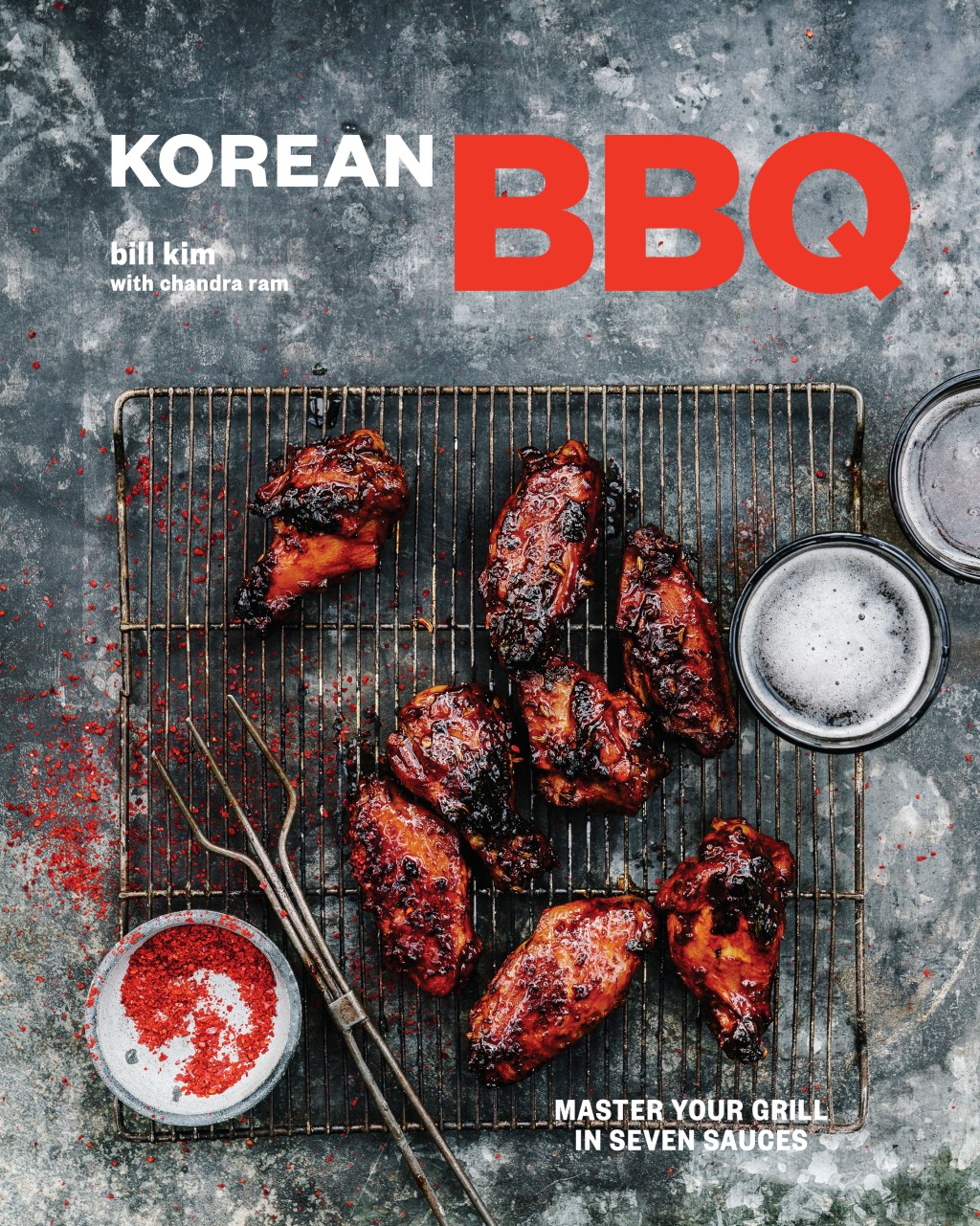
    Bill Kim “Korean BBQ: Master Your Grill inSeven Sauces”

    Seoul Buffalo Shrimp

                My friend  Kimiyo Naka asked if I’d like to interview Bill Kim, a Chicago chef/ restaurateur and James Beard Award nominee who had a new cookbook out on grilling Korean-style who would be doing a demonstration at the Japan Pavilion at this year’s National Restaurant Association. I’ve wanted to learn more about Korean cooking and because I was writing about grilling, the whole thing seemed like a perfect fit. To make it even more interesting, Kim is a fun interview,humorous, friendly and knowledgeable plus he makes Korean cooking sound easy.         

                It turns out that Kim’s first cooking experience was making instant ramen over seogtan(burning coals) at age six a year before his family moved from Seoul, Korea to Chicago. Fast forward four decades and Kim, who owns several restaurants in Chicago including urbanbelly, a communal-seating restaurant featuring creative noodle, dumpling and rice dishes, Belly Shack featuring menu items blending Asian and Latin flavors and bellyQ, a modern Asian barbecue concept, recently authored Korean BBQ: Master Your Grill in Seven Sauces (Ten Speed Press 2018; $28).

                His career path to culinary heights and James Beard Award nominations began with experiences feeding siblings and cousins while his parents worked and worries about not being able to make it in a traditional college atmosphere when attending a college recruitment event at his high school. That all changed when he saw a giant wedding cake. It was a lure and when he approached the table, a representative from a culinary school asked if was interested in a cooking career. 

                Attending Kendall College where he studied classic French and worked at several prestigious French restaurants and was also the chef de cuisine at Charlie Trotter’s but when it came time to open his own restaurants, he decided to focus on his own heritage as well as that of his wife who is from Puerto Rico in a style he calls Kori-Can. There were, of course, many remnants from his French culinary background and world travels in the mix as well and his American upbringing. For the latter, check out his recipe for Kimchi Potato Salad. He also wanted to get away from the rarified world of cuisine and open up his food to everyone.

                “My parents were very humble people who owned their own dry cleaning business for 35 years,” says Kim. “I wanted them to see their sacrifice pay off by taking all the things that I learned and being able to use it. My parents had only eaten at one restaurant I worked and that made me sad, I saw  because I knew how hard they worked. As I got further in my career, I was cooking for fewer people—only those people who had  he means to eat in the restaurants I worked in. But those weren’t the people I grew up and I wanted them to have restaurants to eat at.”

                “BBQ itself is engrained in the Korean culture says Kim.”

                “We didn’t have a lot of things when I was growing up in Chicago, we didn’t have a grill,” he says. “So when we wanted to barbecue, we had to go to park where there were free grills. I remember how the aroma of the foods we were cooking always attracted by people who weren’t part of our family. that someone from a different country could come up to you and ask what it was we were cooking.  My mom would give even strangers food. It was pretty powerful watching them when they tried it, the way their eyes opened and they smiled.  That’s when I learned food doesn’t speak a certain language.”

    Chef Bill Kim and Jane Ammeson at the Japan Pavilion at the 2018 National Restaurant Association

                Making Korean barbecue accessible was one of the inspirations behind Kim’s decision to write his cookbook.

                “I think I had a lot to say,” he says. “I really didn’t think there was a cookbook out there written by a chef, sharing the experience of being born in Korean and growing up here and adapting to a culture that was a very foreign to me.”   

                He also sees it as a way of giving back and to make Korean food accessible.

                “I think we take for granted that food is an entry level to a different culture,” says Kim. “I want people to look at the book and know the history behind it. And I wanted people to be able to cook Korean barbecue at home.”

                Indeed, with a wonderful, heartfelt introduction and seven master sauces and three spice rubs that make his dishes easy and simple to recreate at home, Kim takes away the mysteries of Korean food.

                “The thing that I want people to understand is that you can cook without borders now more than ever because the borders have crumbled,” he says.  “Even though the food is not 100% Korean it’s these flavors that can come out.”

    Seoul to Buffalo Shrimp

    1½ cups Lemongrass Chili Sauce (see below)

    ⅓ cup unsalted butter, melted

    2 tablespoons white sesame seeds, toasted

    2 tablespoons sambal oelek

    3 pounds extra-large peeled and deveined shrimp (16/20 count)

    ¼ cup Blackening Seasoning (see below)

    FEEDS 6 people

    Heat the grill for direct heat cooking to medium (350°F to 375°F).

    Combine the Lemongrass Chili Sauce, butter, sesame seeds, and sambal oelek in a large bowl and whisk until well mixed. Set aside.

    When the grill is ready, season the shrimp with the Blackening Seasoning, coating them evenly. Place the shrimp on the grill grate, close the lid, and cook for 2 minutes. Flip the shrimp over, close the lid, and cook them for another 2 minutes, until they turn an opaque pink color.

    Remove the shrimp from the grill, add to the sauce, toss well, and serve.

    Lemongrass Chili Sauce

    1 teaspoon minced garlic

    1 teaspoon minced, peeled fresh ginger

    ¼ cup minced lemongrass

    1 cup sweet chili sauce

    ¼ cup fish sauce

    ¼ cup sambal oelek

    2 tablespoons toasted sesame oil

    PREP TIME 10 minutes

    MAKES 2¼ cups

    Combine the garlic, ginger, lemongrass, chili sauce, fish sauce, sambal oelek, and oil in a bowl and whisk until blended. Transfer to an airtight container and refrigerate for up to 2 weeks or freeze for up to 2 months (see note).

    Blackening Seasoning

    ¼ cup sweet paprika

    ¼ cups granulated garlic or garlic powder

    ¼ cup chili powder

    2 teaspoons kosher salt

    Makes ¾ cup

    Combine all the ingredients in a small bowl and stir to mix. Store in airtight container in a cool, dark cupboard for up to six months

    NOTE This sauce won’t fully harden when frozen, so you can spoon out as much as you need whenever you want to use it.

    Sesame Hoisin Chicken Wings

    ½ cup Soy Balsamic Sauce (see below)

    ¼ cup Magic Paste (see below)

    ¼ cup hoisin sauce

    ½ cup thinly sliced green onions, white and green parts

    3 pounds chicken wings and drumettes

    Korean chili flakes (optional)

    FEEDS 6 people

    In a large bowl, combine the Soy Balsamic Sauce, Magic Paste, hoisin sauce, and green onions and mix well. Measure out ½ cup of the marinade and reserve for basting the wings on the grill. Place the chicken wings and drumettes in a large, shallow dish, pour the remaining marinade on top, and turn the wings and drumettes to coat evenly. Cover and marinate in the refrigerator for 1 hour.

    Heat the grill for indirect heat cooking to medium (350°F to 375°F). (If using a charcoal grill, rake the coals to one side of the charcoal grate; if using a gas grill, turn off half of the burners.)

    Place the wings and drumettes on the grill grate away from the heat, close the lid, and cook for 5 minutes. Flip the wings and drumettes over, baste them with some of the reserved marinade, close the lid, and cook for another 5 minutes. Flip the wings and drumettes over two more times, moving them directly over the fire, basting, and cooking for 5 minutes on each side. Sprinkle on some Korean chili flakes, if you like things a little spicier.

    Transfer the wings and drumettes to a platter and serve.

    Soy Balsamic Sauce 

    1 teaspoon cornstarch, or as needed

    2 tablespoons water

    ¼ cup dark brown sugar, firmly packed

    ½ cup balsamic vinegar

    ½ cup soy sauce

    MAKES 1 cup

    In a small bowl, stir together the cornstarch and water until the cornstarch dissolves and the mixture is the consistency of heavy cream, adding more cornstarch if the mixture is too thin.

    Combine the brown sugar, vinegar, and soy sauce in a small saucepan and bring to a boil over medium heat, stirring to dissolve the sugar. Stir the cornstarch mixture briefly to recombine, then stir it into the soy-vinegar mixture and simmer over low heat for about 3 minutes, until the sauce thickens enough to coat the back of a spoon.

    Remove from the heat, let cool completely, then refrigerate in an airtight container. This sauce will last for months without going bad.

    MAGIC PASTE

    1 (1-inch) piece fresh ginger, peeled and sliced

    5 cloves garlic, peeled

    2 tablespoons fennel seeds

    ½ cup fish sauce

    ¼ cup toasted sesame oil

    ¼ cup Korean chili flakes

    MAKES 1 cup

    Combine the ginger, garlic, and fennel seeds in a food processor and process until minced, periodically scraping down the sides of the bowl to make sure all of the ginger gets chopped. Add the fish sauce, oil, and chili flakes and process for 30 seconds.

    Transfer to an airtight container and refrigerate for up to 2 weeks or freeze for up to 2 months. Or freeze in standard ice-cube trays, then transfer the cubes (about 2 tablespoons each) to plastic freezer bags and freeze for up to 2 months.

    Reprinted with permission from Korean BBQ: Master Your Grill in Seven Sauces, copyright © 2018 by Bill Kim with Chandra Ram. Published by Ten Speed Press, an imprint of Penguin Random House LLC.Photographs copyright © 2018 by Johnny Autry.

    Jane Ammesoncan be contacted via email at janeammeson@gmail.com

  • The Cookbook Library: Four Centuries of the Cooks, Writers, and Recipes That Made the Modern Cookbook

    The Cookbook Library: Four Centuries of the Cooks, Writers, and Recipes That Made the Modern Cookbook

    Still worried about that extra Halloween candy you gobbled down?  Imagine how many miles you’d have to spend on the treadmill after attending the 1450 banquet, held in England celebrating the enthronement of an archbishop where guests munched on 104 oxen, six ‘wylde bulles,’ 1,000 sheep, 400 swans and such game birds such as bustards (larger than a turkey), cranes, bitterns, curlews and herons?

    “Our ancestors had gastronomic guts,” Anne Willan tells me as we chat on the phone, she in Santa Monica, California where there’s sunshine and me in the cold Great Lakes region.  I find it fascinating to read old menus and descriptions of banquets and feasts and for that Willan, founder of famed French cooking school École de Cuisine la Varenne, recipient of the IACP Lifetime Achievement Award and author of 30 cookbooks, is the go to person.

    Even better, after collecting cookbooks for some 50 years and amassing a collection of over 5000 tomes, last year Willan and her husband, Mark Cherniavsky immersed themselves in their antiquarian cookbook library and came out with The Cookbook Library: Four Centuries of the Cooks, Writers, and Recipes That Made the Modern Cookbook (University of California Press $50).Anne Willan

    “Seals were eaten on fast days along with whale, dolphin, porpoise and thousands of other fish,” says Willan. Hmmm…that’s different than the macaroni and cheese and fish sticks I used to eat at the homes of my Catholic friends on Fridays.

    Here we peruse four centuries of gastronomy including the heavily spiced sauces of medieval times (sometimes employed because of the rankness of the meat), the massive roasts and ragoûts of Sun King Louis XIV’s court and the elegant eighteenth-century chilled desserts. One for the interesting detail, Willan also tells the story of cookbook writing and composition from the 1500s to the early 19th century. She highlights how each of the cookbooks reflects its time, ingredients and place, the  recipes adapted among the cuisines of Germany, England, France, Italy and Spain as well as tracing the history of the recipe.

    Historic cookbooks can be so much different than ours, ingredients unfamiliar and instructions rather vague. For example, Willan points out the phrase “cook until” was used due to the difficulty of judging the level of heat when cooking a dish over the burning embers in an open hearth. It wasn’t until the cast-iron closed stoves of the 19th century that recipes writers begin were finally able to give firm estimates for timing.

    For food historians and even those just appreciative of a good meal, the book is fascinating. For me as a food writer, I wonder about covering a dinner where birds flew out of towering pastries, seals were served and eels baked into pies and it was often wise to have a taster nearby in case someone was trying to poison you.

    Anne Willan 1

    The following recipe is from The Cookbook Library.

    Rich Seed Cake with Caraway and Cinnamon

    This recipe is based on a cake in The Compleat Housewife by Eliza Smith, published in London in the 1700s.  Willan, ever the purist, suggests mixing the batter by hand as it was done 300 plus year ago.

    “The direct contact with the batter as it develops from a soft cream to a smooth, fluffy batter is an experience not to be missed,” she says. “If you use an electric mixer, the batter is fluffier but the cake emerges from the oven less moist and with a darker crust.”

    At times, Willan needs to substitute ingredients. The original recipe listed ambergris as an option for flavoring the cake. “Ambergris,” writes Willan, “a waxy secretion from a sperm whale, was once used to perfume foods. As it is now a rare ingredient, I’ve opted for Mrs. Smith’s second suggestion, of cinnamon, which marries unexpectedly well with caraway.”

    1 pound or 31⁄2 cups) flour

    1 2⁄3 cups sugar

    6  tablespoons caraway seeds

    5 eggs

    4 egg yolks

    1 pound or 2 cups butter, more for the pan

    11⁄2 tablespoon rose water or orange-flower water

    2 teaspoon ground cinnamon

    Heat the oven to 325ºF. Butter a 9-inch springform pan. Sift together the flour and sugar into a medium bowl, and stir in the caraway seeds. Separate the whole eggs, putting all the yolks together and straining the whites into a small bowl to remove the threads.

    Cream the butter either by hand or with an electric mixer fitted with the paddle attachment. Add the yolks two at a time, beating well after each addition. Beat in the rose water. Whisk the egg whites just until frothy, then beat them, a little at a time, into the egg yolk mixture. Beat in the cinnamon. Finally, beat in the flour mixture, sprinkling it a little at a time over the batter. This should take at least 15 minutes by hand, 5 minutes with a mixer. The batter will lighten and become fluffier. Transfer the batter to the prepared pan.

    Bake until the cake starts to shrink from the sides of the pan and a skewer inserted in the center comes out clean when withdrawn, 11⁄4 to 11⁄2 hours. Let the cake cool in the pan on a rack until tepid, then unmold it and leave it to cool completely on the rack. When carefully wrapped, it keeps well at room temperature for several days and the flavor will mellow.


  • Local Flavor: Restaurants That Shaped Chicago’s Neighborhoods

    Local Flavor: Restaurants That Shaped Chicago’s Neighborhoods

    Chicago is a city made of neighborhoods, each individual and diverse, reflective of its residents and also the restaurants anchoring them. In her latest book, Jean Iversen shares with us her impressions and interactions in eight local eateries and the people who made them what they are, chronicling their stories in her latest book, Iversen_photo2(preferred) (Northwestern University Press 2018).

    It started when Iversen, a Chicago writer whose work has appeared in Crain’s Chicago Business, Time Out Chicago, and the Daily Herald, was researching her first book, BYOB Chicago :Your Guide to Bring-Your-Own-Bottle Restaurants and Wine & Spirits Stores in Chicago.

                “Along the way there were a handful of restaurants that inspired me,” says Iversen. “The ones I chose for the book weren’t the oldest restaurants in Chicago, I just wanted them to be run by the ‘mayors’—restaurateurs who had become leaders of their small sections of Chicago over the years.”

    Included in her list are eateries in Pilsen, Chinatown, Little Italy, Avondale and on Devon Avenue to name a few. Some had long roots in the community such as Won Kow, a Chinatown restaurant that first opened 90 years but unfortunately closed this year.

    Iversen says she asked a baseline of questions such as how have you managed to stay in business. The answers she found, were often similar.

    “They were gracious, treated their customers well, offered quality food and had old school values,” she says. “They hadn’t gone out of style and were adaptable.”

    Each restaurant’s story opens a door and we get to see the personalities of not only the owners but their workers and customers. Iversen spent a lot of time showcasing not only Wow Kow but also Tufano’s Vernon Park Tap in Little Italy; Nuevo Leon/Canton Regio in Pilsen; The Parthenon in Greektown; Borinquen in Humboldt Park; Red Apple Buffet in Avondale; Hema’s Kitchen in West Rogers Park; and Noon O Kabab in Albany Park.

    She also collected recipes, a daunting task.

    “They weren’t intellectual property as far as the owners were concerned, many just hadn’t written them down,” she says. “I had to get them to sit down and get them to tell me more specific amounts than just “a little bit of this and that.”


    Ifyougo:

    What: Jean Iversen discusses Local Flavor: Restaurants That Shaped Chicago’s Neighborhoods. She will be joined in conversation by Jeffrey Ruby. A Q&A and signing will follow the discussion.

    When: Saturday, August 25, 3 pm

    Where: 57th Street Books, 1301 E. 57th St., Chicago, IL

    Cost: Free

    FYI: (773) 684-1300; semcoop.com


  • Cooking with the Muse: A Sumptuous Gathering of Seasonal Recipes, Culinary Poetry and Literary Fare

    Cooking with the Muse: A Sumptuous Gathering of Seasonal Recipes, Culinary Poetry and Literary Fare

    Chef Myra Kornfeld and poet Stephen Massimilla have put together a luscious cookbook illustrating how poetry, prose and food have been inspirational throughout history.

    The 500-page book, “Cooking With the Muse: A Sumptuous Gathering of Seasonal Recipes, Culinary Poetry and Literary Fare,” is divided by seasons. It pairs 150 recipes with culinary poems, essays and historic anecdotes.W28choctart 2

    Massimilla provides a few stanzas from Book IX of Homer’s “The Odyssey” to accompany a recipe for Mediterranean Cauliflower-Kale Roast with Feta. He recounts how the cheese, which dates back to 8th century B.C., was originally aged and brined to keep it from spoiling in Greek’s hot, arid climate. The way it was made, he says, has changed very little since Odysseus entered Polyphemus’ cave.

    In the recipe for Corn Pudding “Soufflé,” the authors include John Greenleaf Whittier’s poem “Barbara Frietchie” as a preface to the simple recipe.

    They end the recipe with a recommendation for cooking fresh corn by Mark Twain, who very much enjoyed his meals.W8medcaulibake

    “Corn doesn’t hang on to its sugar long after it has been picked,” Massimilla writes. “The saying goes that you should put up a pot of hot water before you stroll out to the cornfield prepared to run back on the double. Mark Twain upped the challenge when he recommended carrying the boiling water to the garden to catch the corn with all its sweetness the moment it leaves the vine.”

    The following recipes are from “Cooking with the Muse.”

    Mediterranean Cauliflower-Kale Roast with Feta

    Serves 4 to 6.

    1 head cauliflower, cut into florets

    4 tablespoons extra virgin olive oil

    Salt

    3/4 pound curly kale, stemmed and torn into bite-size pieces

    1 tablespoon unsalted butter

    2 garlic cloves, minced

    1/4 cup Kalamata olives, chopped and pitted

    1 tablespoon capers, drained, rinsed and chopped

    1/4 cup water

    2 tablespoons oregano

    1 tablespoon lemon juice

    Black pepper

    2 ounces feta cheese (preferably from sheep’s milk), crumbled

    Preheat the oven to 375 degrees. Have ready a parchment paper-covered baking sheet.

    In one bowl, toss the cauliflower with 2 tablespoons of the oil and 1/2 teaspoon salt. Spread the cauliflower on the baking sheet and roast for 30 minutes, turning once halfway through.

    In another bowl, toss the kale with 1 tablespoon oil. Massage the oil into the leaves so each leaf is lightly coated. Sprinkle with 1/8 teaspoon salt.

    Roast the cauliflower for 30 minutes, then add the kale to the baking sheet. Return it to the oven and roast for an additional 10-15 minutes, until the cauliflower is browned and the kale is crispy. Remove from the oven.

    Warm the remaining tablespoon of oil with the butter in a large skillet until the butter melts. Add the garlic, olives and capers and cook for a minute or two, until fragrant. Stir in the cauliflower and kale, the water and the oregano. Combine thoroughly. Stir in the lemon juice and a sprinkling of pepper.

    Serve hot, with feta scattered on top.

    Chocolate Tart with Salt and Caramelized Pecans

    Makes one 9-inch tart.

    For the pecans:

    1 cup pecans

    1/3 cup maple sugar, Sucanat sugar, Rapadura sugar or coconut sugar

    1/8 teaspoon fine sea salt

    1/8 teaspoon cayenne pepper, optional

    1 large egg white

    For the crust:

    Oil and coconut flour, for preparing the pan

    2 cups unsweetened coconut, dried and shredded

    3 tablespoons granulated natural sugar (such as maple or Sucanat)

    1 teaspoon orange zest

    2 tablespoons coconut oil

    2 large egg whites

    For the filling:

    1 cup unsweetened coconut milk

    2 tablespoons maple sugar

    Pinch of salt

    7 ounces bittersweet chocolate, roughly chopped

    1 large egg, lightly beaten

    For the garnish:

    Fleur de sel (French sea salt) or other large-flake sea salt

    Position one rack in the middle of the oven and another in the lower third. Preheat the oven to 300 degrees. Have ready two parchment paper-covered baking sheets.

    To make the pecans, toss the pecans, sugar, salt and cayenne, if using, in a medium bowl. Stir in the egg white to combine. Spread on one of the baking sheets. Bake on the middle rack until the sugar has clumped on the nuts and the mixture looks sandy and dry, 25 to 30 minutes. Stir every 8 minutes or so during the baking so that pecans caramelize evenly.

    Let cool for a few minutes, transfer to a bowl and break up the clumps into small pieces. (The pecans can be stored at room temperature for up to a month.)

    While the pecans are baking, make the crust. Oil and flour a 9-inch tart pan with a removable bottom. In a medium bowl, combine the coconut, sugar and orange zest. Work in the coconut oil with your fingers until everything is moistened evenly.

    In a small bowl, whip the egg whites until frothy. Stir into the coconut mixture. Press the dough into the prepared tart pan. (Use a piece of plastic wrap between your hand and the dough to make pressing in the crust easier.) Give an extra press at the juncture where the sides meet the bottom, so you don’t have a triangular-shaped thick wedge of crust in the corners.

    Place the tart pan on the other baking sheet. Bake the crust on the lower rack until it is a deep golden brown, about 15 minutes, checking after 10.

    While the crust is baking, make the filling. In a small saucepan, bring the coconut milk, sugar and salt to a simmer. Remove from the heat, add the chocolate and stir with a whisk until the chocolate is completely melted and smooth. Cover to keep warm.

    Just before the crust is ready, whisk the egg thoroughly into the chocolate. Pour the filling into the hot crust. Return the tart (still on the baking sheet) to the oven. Bake until the filling is set around the edges, 10 to 15 minutes. The filling should still jiggle a little in the center when you nudge the pan. Set on a rack to cool.

    Unmold the tart and serve at room temperature or slightly chilled. Before serving, sprinkle a light dusting of flaky salt and the pecan clusters over the tart. Alternatively, serve each piece with a light dusting of coarse salt, then sprinkle the top with the caramelized pecans.

    Cook’s note: The tart may be refrigerated for up to three days.

  • Lost Recipes of Prohibition: Notes from A Bootlegger’s Manual
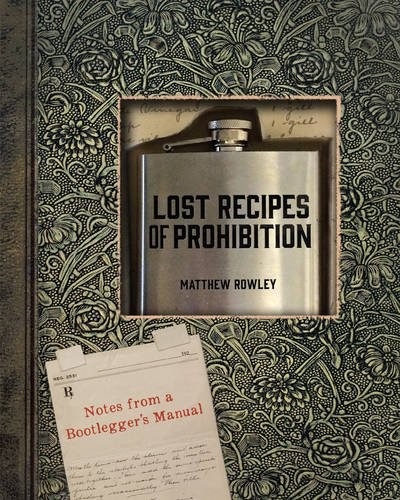
    Lost Recipes of Prohibition: Notes from A Bootlegger’s Manual

    When I was writing my book, A Jazz Age Murder in Northwest Indiana (History Press), about Nettie Diamond, a wealthy widow and pharmacist who was murdered by her fifth husband, a much younger bootlegger named Harry in Indiana Harbor on Valentine’s Day 1923, one of the things I learned was that it was relatively easy to get a permit during Prohibition to buy medicinal alcohol and distribute it.

    A Jazz Age MurderThat may be why I’m finding a new book, Lost Recipes of Prohibition: Notes from A Bootlegger’s Manual by Matthew Rowley (The Countryman Press 2015; $27.95) to b/dp/1626194785e a fascinating read.

    Nominated for a James Beard Award, it contains more than 100 secret and forgotten formulas for illicit booze

    Rowley, who describes himself as specializing in folk distilling and the manufacture and distribution of illicit spirits, was given an old book titled The Candle and The Flame, The Work of George Sylvester Viereck. The interior didn’t contain any poems by Viereck, a popular poet up until his pro-German sensibilities during World War I made him a pariah in the U.S. Instead, the book’s once blank pages contained a plethora of handwritten distilled spirit recipes procured and preserved by a New York pharmacist named Victor Alfred Lyon.

    As for Harry, he wasn’t supposed to sell alcohol for non-medicinal purposes like he did—by adding real spirit company labels to his own bottles…but that was Harry who also.  According to Rowley, many pharmacists made alcoholic concoctions to help ailing (or just plain thirsty) customers and many distilleries were allowed to continue to operate to provide product. Rowley points out that during Prohibition, the sale of sacramental wine went sky high as people suddenly became much more religious.

    Lyon’s recipes were collected from a variety of sources and at the time he was gathering them, some were a century or so old. Rowley organized the recipes in chapters such as Absinthe, Cordials, and Bitters and Gin; Compounding Spirits and Gin, Whiskey and Rum.

    A16Uu2qC24L._SL1500_

    Less a cookbook than a history and how-to of spirit making, Rowley does include many of Lyon’s recipes from a simple cocktail that silent screen movie star Mary Pickford enjoyed to the complex (and supersized) such as one for Rumessenz which calls for gallons of ingredients and was used by wholesalers, barkeepers, importers and exporters to make an essence of rum they could use for adding the aroma and tastes of rum to a batch of plain alcohol creating a higher profit margin.

    That’s similar to what Harry Diamond did as well and at his trial he told the court he made about $20,000 a month from bootlegging. And that was in 1923 dollars.

    Harry went to the electric chair so he didn’t have much time to enjoy his earnings. But in celebration of the newly found recipes of Prohibition, mix up a drink or two and enjoy!

    lost_recipes_prohibition_4

    Lanizet: Sour Mash Cajun Anisette

    • 3 quarts water
    • 25 ounces sugar
    • ½ teaspoon anise oil
    • ½ tablespoon vanilla extract
    • ½ teaspoon red food coloring
    • 3 cups bourbon or Tennessee whiskey
    • 5 to 7 pounds ice

    Pour 1 ½ quarts of the water in a medium stockpot. Note the depth of the liquid. Later, you will boil the syrup to this height. For now, pour in the remaining water and all the sugar. Bring to a boil, stirring until sugar is dissolved. Lower the heat and simmer until the liquid reduces to 1 ½ quarts, 50 or 60 minutes, stirring occasionally. Remove from the heat.

    While the syrup is simmering, sterilize five new or well-scrubbed 1-pint canning jars in a deep pot or canning pot. Leave the jars in the hot water until you’re ready to use them. Wash and boil the lids and rings according to the manufacturer’s directions.

    When the syrup reaches that 1.5-lquart mark, turn off the heat and remove the pot from heat. Stir in the anise oil, vanilla and food coloring until thoroughly mixed, then stir in the whiskey. Remove the jars from their hot water bath with tongs. Place the jars (don’t touch with your bare hands) on a wooden surface or folded towels and immediately pour the crimson liquid into the jars up to 1⁄2 inch from the tops. Wipe any dribbles or spills from the rims with a clean, damp cloth and place hot lids on top with sealing compound down; screw on the metal rings firmly but not too tightly.

    Line your sink with a damp dish towel; it will prevent the hot jars from breaking when they touch the cool surface. Immediately place the jars upright in the sink, then slowly fill it with cool tap water so it covers the jars. As the jars cool, you’ll hear a series of metallic pops and pings; that’s a vacuum forming in each jar. When the jars are cool to the touch, after 5 to 10 minutes, place them upright in a tub of ice, with ice to top off the jars, to cool the anisette as quickly as possible. Once contents of jars are well chilled, about 1 hour, remove the jars from the ice. Label and date the jars, then store upright in a cool, dark place.

    Yield: 5 pints

    From Lost Recipes of Prohibition.