On Saturday, December 3, 2022, at 1:00 pm Central time, guests are invited to gather in the historic Santa Claus Church where the spell-binding Susan Fowler will return to the site to give us her entertaining and interactive rendition of the classic tale Twas the Night Before Christmas. A Merry Memory Sketch souvenir illustration of the afternoon’s story will be available for each family. There is no charge to attend, however donations to help restore the historic church are happily accepted.
Immediately following the storytelling, Mrs. Patricia Koch, w will hold a book signing for her recently published book entitledSanta’s Daughter. Mrs. Koch’s nostalgic book shares stories about her hometown of Mariah Hill, her experiences at Santa Claus Land and memories of her dad, Santa Jim Yellig. Her goal, at age 91, is to preserve the history of the town of Santa Claus and the surrounding area. Mrs. Koch will be in the historic church to sign books, answer questions and chat with visitors. Mrs. Koch is being honored this year by Indiana Governor Eric Holcomb with the 2022 Sachem Award, the state’s highest honor. She also has been inducted into the International Santa Claus Hall of Fame.
Also at no charge, families are invited to visit the museum, check in with Santa in his Museum Office, browse the gift shop, write letters to Santa in the historic Post Office, view the 12-foot Santa Claus Mural and the 22 foot Santa Claus Statue.
The Santa Claus Museum & Village is a not-for-profit organization which not only seeks to preserve the history of the town of Santa Claus but also to perpetuate the tradition of answering thousands of children’s letters to Santa. The Museum & Village are open daily Monday through Thursday from 10 am – 2 pm and Friday through Sunday 9 am to 4 pm, closed Christmas Day. The Santa Claus Museum & Village is located just south of Holiday World at 69 State Road 245 in Santa Claus, Indiana. For questions or further information, please call the Santa Claus Museum at 812-544-2434. And for more holiday ideas in the town of Santa Claus, click here.
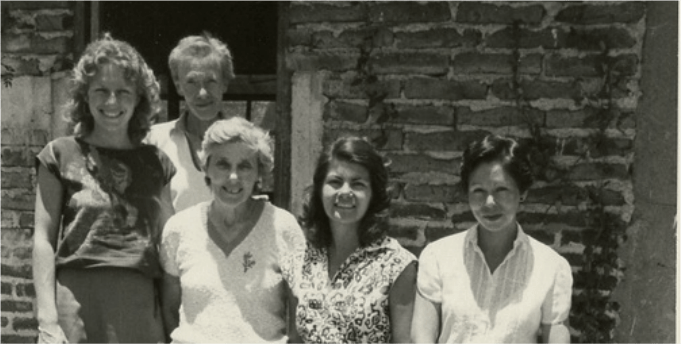
In 1982, Gwen Chan Burton, who had previous taught in a government secondary school students in both Australia and Canada for 12 years was faced with a big career decision.
Burton (whose name at the time was still Chan but that would become part of her adventure as well) had recently been certified as a teacher for the severely hearing impaired. She could either again teach in Canada albeit in her new specialty or move to Jocotepec, a small village in the Mexican state of Jalisco where several years earlier two retired Canadian women, Jackie Hartley and Roma Jones, stated a small school for children who couldn’t hear. The impetus for the school came about after meeting a young deaf boy in the plaza of the town where they were living.
It was quite an undertaking particularly considering that Hartley and Jones weren’t teachers and spoke little Spanish. Add to that, they had no building to house their school nor did they have the money to fund it.
For Hartley and Jones these were just mere details and within 15 years their Lakeside School for the Deaf, which started off with classes in an upgraded chicken coop, would become an international success. The term Lakeside is an English term used by local expats and tourists to refer to the general area along the north shore of Lake Chapala where thousands of expats live – stretching from city of Chapala, through Ajijic to Jocotepec at the western end of the lake.
But when the Hartley and Jones tried to recruit Burton and another teacher of the severely hearing impaired named Susan van Gurp, it was still very early days indeed—one that promised hard work in an unknown environment and barely subsistence pay.
“As a student at Melbourne University in the late 1960s, I had dreamed of volunteering as an English teacher in the wilds of Papua New Guinea, then administered by Australia,” says Burton. “However, after I learned that the government required three years teaching experience before applying–I ended up in Toronto instead of PNG. I guess Jackie Hartley’s offer re-awoke my dream of volunteer teaching and since I was single and debt free, my main concern was how to learn basic Spanish in the three months before we flew south.”
Within a few years, Burton would become the school’s director, a position she held from 1985-1994. The school’s enrollment grew as did the number of teachers, resulting in scores of disadvantaged deaf children and youths who found life-changing communication, free education.
Burton, who now lives on an island off the coast of Vancouver, recounts the story of what is now The School for Special Children (CAM Gallaudet, Special Education Centre) in her awe-inspiring book, New Worlds for the Deaf: The Story of the Pioneering School for the Deaf in Rural Mexico (Sombrero Books 2019; $14.99 Amazon price).
“The book describes the school’s much loved teachers, first Canadian then Mexican, who opened new worlds for those atypical students, with specialized teaching methods and amazing special events,” says Burton. “Also described is the school’s unique home-based boarding program that allowed many children from distant villages to attend classes.”
In between all her work, Burton met geologist Tony Burton on Canada Day at an Octoberfest celebration in Guadalajara. After the couple married and had children, life became even more hectic especially when Tony was away leading field studies courses and eco-tours around the country.
“Thankfully a wonderful Mexican grandmother was willing to care for our children whenever needed and from her they learned the local customs, the Spanish language and a love of Mexican food,” says Burton. “She was also a generous boarding mother for two adolescent deaf brothers for several years.”
Often issues were time related –needing time to make new ear molds for students using the classroom FM systems, but also needing to attend a morning meeting of the school board 20 kilometers away or taking time to show visiting former teachers around the classrooms and answer all their questions. Many challenges were unexpected such as the arrival of new students unannounced and needing accommodation.”
But the rewards were many such as seeing the changes in new students as they learned to communicate using Mexican sign language and were able to ask questions and understand the answers for the first time in their lives; then seeing their enthusiasm and their parents’ pride as they learned to write their own name, and later begin to read.
Asked to share a story about one of the school’s students, Burton takes time to think—there were so many—before deciding to talk about Juan Luis, who after being abandoned by his mother was sent out to beg in Guadalajara by his next caregiver.
“He was rescued by an aunt who sent him with a truck driver to the home of Rita, one of our staff,” recalls Burton. “The young boy, profoundly deaf, was called Carlos by the truck driver and spent his first week at school as Carlos. When his aunt visited Rita the next weekend we found out his real name and the following Monday at school we need to erase Carlos from his workbooks, and create a different sign name, because he is actually Juan Luis, nearly nine years old, bright, personable but unschooled and unable to recognize or express his own name….or count to nine.”
For those deciding on such an adventure, Burton offers the follow advice.
“Go, with an open mind and positive attitude about the people and customs you will encounter,” she says. “Preferably have a good friend with you at least for a long settling-in period, unless you are joining a well-established group of like-minded people. Be able to carry on a basic conversation in the local language and learn whatever you can about your host nation before you arrive. But definitely go if you feel you have skills, knowledge or a harmonizing philosophy to contribute and accept that it will undoubtedly be a pivotal experience in your life.”
All proceeds from the sale of New Worlds for the Deaf benefit the hearing aid program for children in the Lake Chapala region, a program the author runs in partnership with the local committee that supports the CAM Gallaudet Special Education Centre in Jocotepec, Jalisco.
Didn’t get a ticket for Taylor Swift’s upcoming tour? Don’t despair. Think of all the money you saved when jamming out instead to Midnights along with a good book instead. The librarians at Libby, an app for borrowing ebooks, audiobooks, magazines, and more that let’s you borrow from your local library for free, went track by track to come up with pairings to go along with the new album, check out that list here.
The best part? Unlike a $700+ floor seat and hours of Ticketmaster torture, these books are free. So instead of a credit card, just whip out your library card.
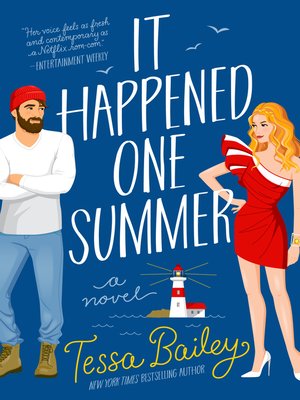
Piper Bellinger is an Instagram wild child with a trust fund and a penchant for riling up the paparazzi. A lot of people make assumptions about her, including Brendan—at first. Both characters show that there’s more than meets the eye and they don’t give a darn what people think if they’re meant to be together.
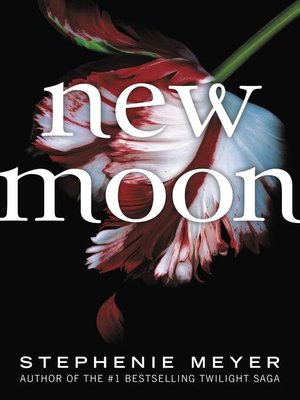
Jokes about Jacob Black and Renesmee aside, this song captures the vibe of the franchise and the era of the books and movies so well. Whether it evokes Bella’s four-month depression (Hello, One day I’ll watch as you’re leaving / And life will lose all its meaning), Edward feeling like “a monster on the hill” and a danger to his love, or truly the “covert narcissism” disguised “as altruism” from just about every Cullen, this song has the Twilight franchise covered.
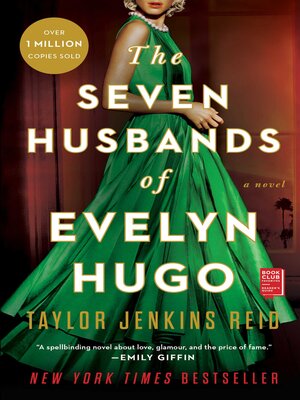
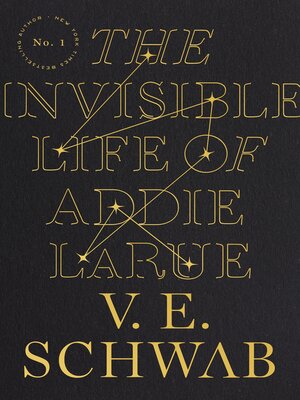
Addie makes a deal with the devil and lives forever, but is forgotten by everyone she meets. That’s until she meets a man who remembers her name. A lot of her life and loves feel like snow on the beach: weird but beautiful and, often, impossible.
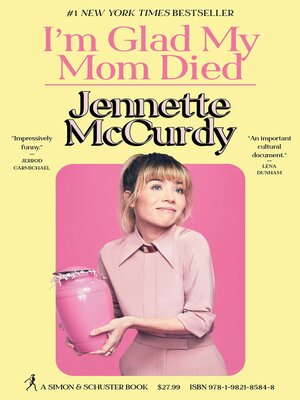
With lyrics like, I didn’t choose this town, I dream of getting out and I hosted parties and starved my body / Like I’d be saved by a perfect kiss down to the repetition of You’re on your own, kid, you always have been, this song evokes so many of the feelings Jennette describes throughout her book: navigating life with her mother, being forced into Hollywood and just doing her best to survive.
Micah is the “Prince of Chicago.” He runs a popular (anonymous) Instagram filled with drawings of his numerous, imaginary boyfriends. He’s got it all, but knows he’s so much more than that. When Boy 100 turns into his very first boyfriend, he finds that love is so much more than what’s been living in his head. He has to fight the hurt as he tries to make his own name while Boy 100 is chasing the fame.
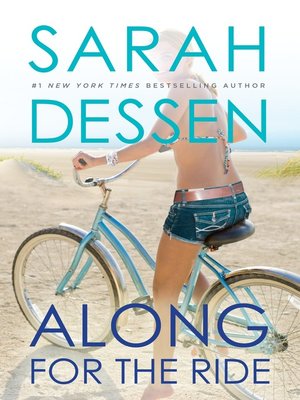
Auden spends a lot of nights reading or walking around town—basically doing anything but sleep. She runs into a fellow night owl, Eli, and they form a friendship as they both try to work through their stuff. These lyrics match perfectly:
Good girl, sad boy, big city, wrong choices. We had one thing goin’ on I swear that it was somethin’ / ‘Cause I don’t remember who I was before you painted all my nights / A color I’ve searched for since.
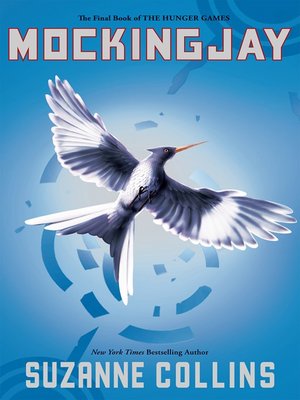
There are so many strong, powerful and amazing women in literature who could absolutely “draw the cat eye, sharp enough to kill a man,” but from the jump, this song evokes thoughts of sticking it to The Capitol. Whether dressing for revenge, or taking down the corrupt system from the inside, Katniss Everdeen and her crew are up to some vigilante sh*t.
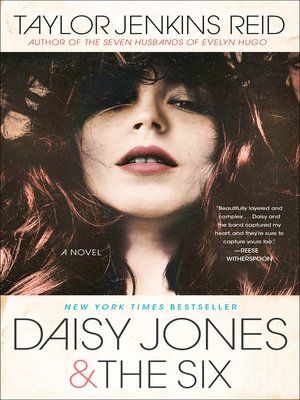
Daisy has a way of capturing the attention of everyone in the room when she walks in. She shimmers and shines, but there’s more to her than meets the eye.
Isla is a hopeless romantic who might finally have a chance with Josh, a guy she’s had a crush on forever. But they have a lot of obstacles to overcome in this sweet and intense romance.
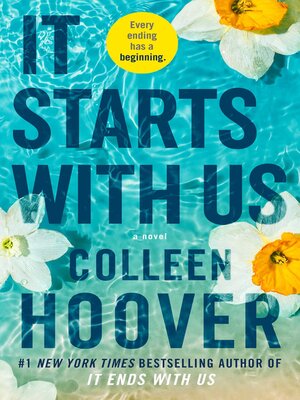
We could totally imagine “Karma” as Lily’s anthem as she navigates the tricky dynamics of her ex, Ryle, and the feelings she has for Atlas as they meet again as adults. Lily deserves her second chance at love despite the others that keep trying to bring her down.
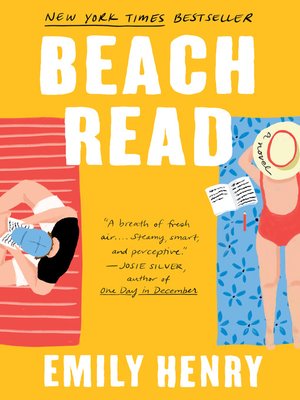
Beach Read follows January, a romance author who doesn’t believe in love anymore, and Augustus, a literary author who’s a bit of a cynic. A romance, yes, but you’ll need the tissues ready!
All that you ever wanted from me was sweet nothin’.
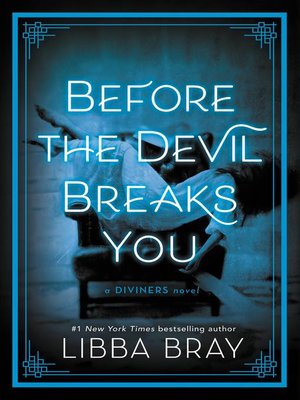
This is such a magical and spooky series by Bray, filled with love and mysterious powers. There are so many moments in this book that feel like they only happen when all the stars aligned, and the love story of Theta and Memphis is surely one of them. From their chance meeting during the raid of the Hotsy Totsy club in Book 1, to discovering Theta’s past in Book 3, this pair absolutely embodies “the first night that you saw me nothing was gonna stop me.”
After you soak in the new album, head over to the Libby reading app to find the perfect book match.
About the Author
Joe Skelley has always been a lover of reading and passionate about the library. His love of libraries brought him to OverDrive where he works on the Events team, working with the Digital Bookmobile and co-hosts the Professional Book Nerds podcast. Joe loves thrillers, magical realism and the broad spectrum of YA. When he’s not working, Joe loves to listen to audiobooks and podcasts, watch YouTube, get too involved in a DIY project and (most importantly) play with his Boston Terrier, Roscoe.
Borrow ebooks, audiobooks, magazines and more from your local library for free! Libby is the newer library reading app by OverDrive, loved by millions of readers worldwide.
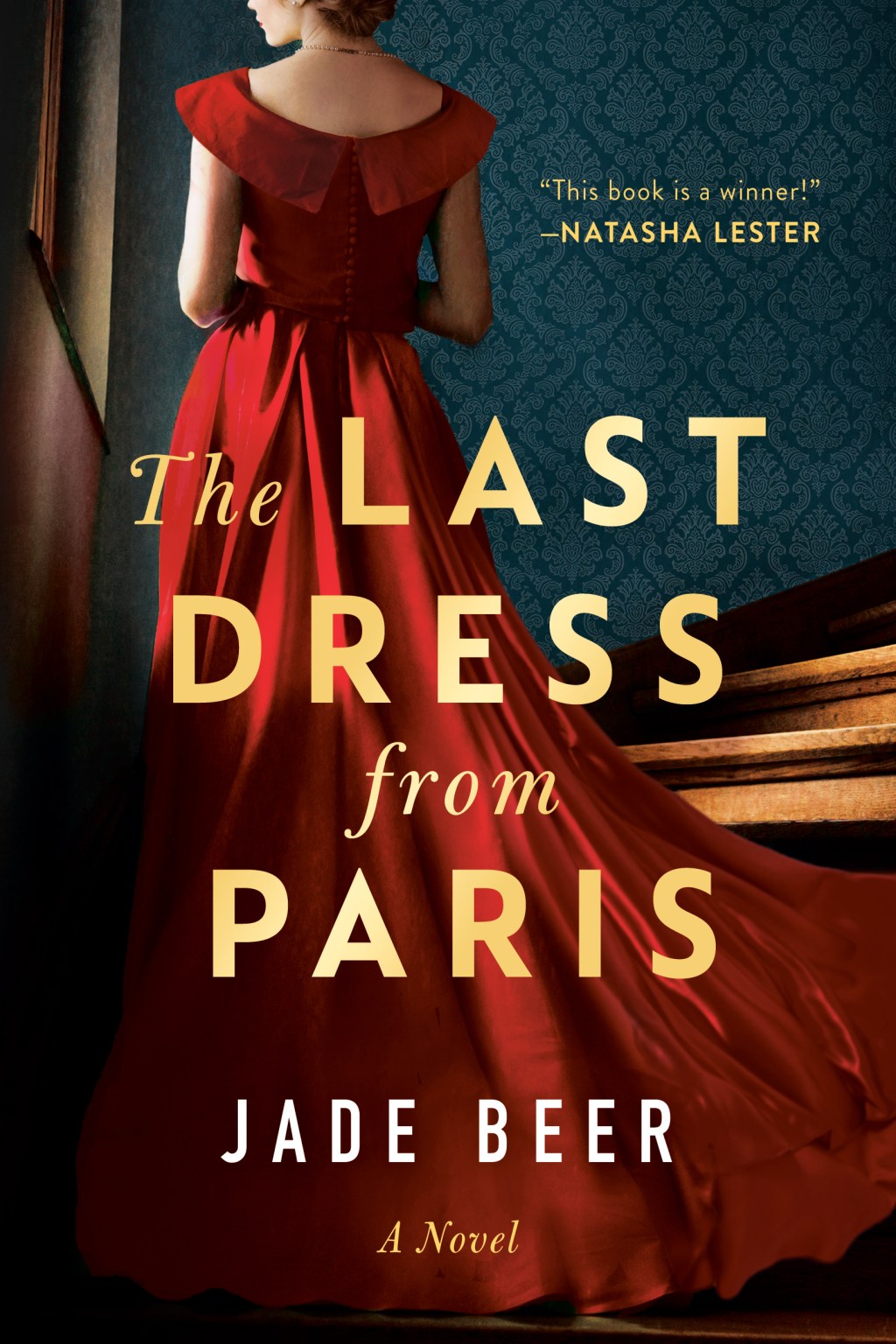
London, 2017. There’s no one Lucille adores more than her grandmother (not even her mother, she’s ashamed to say). So when her beloved Granny Sylvie asks Lucille to help secure the return of something precious to her, she’s happy to help. The next thing she knows, Lucille is on a train to Paris, tasked with retrieving a priceless Dior dress. But not everything is as it seems, and what Lucille finds in a small Parisian apartment will have her scouring the city for answers to a question that could change her entire life.
Jade Beer. Holly Clark Photography.
Paris, 1952. Postwar France is full of glamour and privilege, and Alice Ainsley is in the middle of it all. As the wife to the British ambassador to France, Alice’s job is to see and be seen—even if that wasn’t quite what she signed up for. Her husband showers her with jewels, banquets, and couture Dior dresses, but his affection has become distressingly illusive. As the strain on her marriage grows, Alice’s only comfort is her bond with her trusted lady’s maid, Marianne. But when a new face appears in her drawing room, Alice finds herself swept up in an epic love affair that has her yearning to follow her heart…no matter the consequences.
In her novel The Last Dress From Paris, Jade Beer makes the City of Lights come alive as she weaves a lush, evocative story of three generations of women, love, and a fashion scavenger hunt. It is also an exploration of the ties that bind us together, the truths we hold that make us who we are, and the true meaning of what makes someone family.
2022 actually marks the 75th anniversary of Dior, and the collection of dresses featured in the novel are inspired by an exhibit Beer saw at the V&A in London.
ABOUT THE AUTHOR:
Jade Beer is an award-winning editor, journalist, and novelist who has worked across the UK national press for more than twenty years. Most recently, she was the editor-in-chief of Condé Nast’s Brides. She also writes for other leading titles including The Sunday Times Style, The Mail on Sunday‘s YOU magazine, The Telegraph, the Tatler Weddings Guide, Glamour,Stella magazine, and is one of The Mail on Sunday’s regular fiction and nonfiction book reviewers. Jade splits her time between London and the Cotswolds, where she lives with her husband and two daughters.
This book is available in the following formats: Kindle, Audiobook, Hardcover and Paperback.
When Callie Padget is laid off from her reporting job, she returns to her hometown of Cattail Island and lands a gig at the local bookstore—the same one where she found comfort after her mother died.
In fact, the anniversary of her mother’s infamous death is approaching. Years ago, Teri Padget tumbled from the top of the lighthouse. As islanders are once again gossiping about the tragedy, devastating news strikes: the lighthouse has claimed another victim. Eva Meeks, of Meeks Hardware.
The police are calling it suicide, but Callie does not believe Eva jumped any more than she believes her mother did—especially because Callie knows that before her death, Eva had dug up a long-forgotten treasure hunt that could have put a target on Eva’s back.
In Callie’s search for answers, she enlists the help of some beloved books and several new friends, including the handsome local martial art’s instructor, Toby Dodge. But when another death rocks Cattail Island, Callie must face her fears alone. As she earns enemies in pursuit of the truth, Callie knows she will either uncover the killer or become a victim herself.
SMILE BEACH MURDER is an all-new mystery series featuring Callie Padget, a former reporter turned bookshop clerk in the Outer Banks, who is pulled into a deadly web of secrets when a mysterious fall at a lighthouse echoes a tragedy from her past. When the police rule the fall a suicide, Callie has doubts. As she earns enemies in pursuit of the truth, Callie knows she will either uncover the killer or become a victim herself.
ABOUT THE AUTHOR
Before authoring the Outer Banks Bookshop mystery series, Alicia Bessetteworked as a reporter in her home state of Massachusetts, where her writing won a first-place award from the New England Newspaper & Press Association. A pianist, published poet, and enthusiastic birdwatcher, she now loves living in coastal North Carolina with her husband, novelist Matthew Quick.
Bessette has lived in the Outer Banks for years, adding authenticity to her depiction of island life, characters, and gorgeous setting. Jamie Brenner, bestselling author of The Forever Summer, praises: “What could be better than a beach-read mystery? Lay out a towel, pour yourself some lemonade, and escape in this Outer Banks whodunnit with charm to spare.”
Twin sisters, once extremely close when growing up in an eccentric household with a demeaning and scolding mother, alcoholic grandfather, and absent father, are now separated by thousands of miles and endless anger.
Cat lives in Los Angeles in an apartment overlooking the water. But it’s not hers, and she’ll have to move soon when the owner returns. A lifestyle writer, her finances are precarious, and she’s unsure of what she’ll do next when she gets a call from Edinburgh, Scotland. El, her twin, has failed to return from a solo sailing trip.
El is much more stable—at least on the surface. An artist, she’s married to Ross and living in the grand but uber Gothic home where the twins grew up—a place they called Mirrorland. It’s all dark passageways, closed off dusty rooms, hidden cupboards, nooks, and cobweb filled crannies. Here the two invented an alternate universe of hovering evil, wicked clowns, a ghoulish Tooth Fairy, and blood thirsty pirates all populating their elaborate stories that had them plotting their survival in a hostile and shadowy world. Not for them were the typical indulgences of young girls such as soccer or hosting tea parties with their favorite stuffed animals. It was not in any way an idyllic childhood.
In Carole Johnstone‘s Mirrorland house of mirrors book, it’s been almost 20 years since Cat was last home, but much is the same. Memories tug at her as she wanders through the darkened rooms of her old home, and she at times feels catapulted back into feelings of being haunted and hunted. But there are new problems to face as well. As the days go by and neither El nor her boat are found, the police give her up as lost at sea. But Cat believes she is still alive and continuing one of the many games they played when young. How else to explain the clues she keeps finding, ones that would only mean something to the two of them?
Cat is an unreliable narrator—she drinks way too much, and she keeps slipping into the past, but whether that past is what really happened long ago, one of the many convoluted stories the sisters made up in Mirrorland, her own perceptions of what was happening around her back then, or a combination of all three, it’s hard to tell.
Also in the house, El’s husband Ross waits for news as well. Here, too, are complications. We learn quickly that Cat was—and still is—in love with Ross, but how she lost him to her sister takes longer to unfold. She receives emails—from El, she is sure—that lead her to places where she discovers torn pages from El’s diary. Someone else is leaving warning notes, telling Cat she’s in danger and insinuating that Ross is not to be trusted—that he harmed El and possibly killed her. That warning though may have come too late because Cat and Ross have rekindled their old romance.
It’s easy to enter Cat’s world, to feel the burden of being watched by unseen eyes and experience her fear as she struggles to determine whether El’s really dead, and who, if anyone, she can trust. And, of course, as readers we wonder if we can trust her.
Carole Johnstone’s award-winning short fiction has appeared in annual “Best of” anthologies in the United States and United Kingdom. She lives with her husband in an old farmhouse outside Glasgow, Scotland, though her heart belongs to the sea and the wild islands of the Hebrides. She is also the author of The Blackhouse.
This November, the St. Louis County Library and the St. Louis Jewish Book Festival are hosting SLCL Authors @ the J – a joint event series for readers throughout the St. Louis metro area. Additional information about St. Louis County Library’s author series is available online. Unless otherwise noted, all events are free and open to the public. All events are held at the J’s Staenberg Family Complex (2 Millstone Campus Drive).
The St. Louis Jewish Book Festival is an annual celebration of authors, books, and ideas during early November, with additional author events year-round. The range of author topics is vast: business, cooking, economics, family, fiction, history, music, religion, sports, and more.
Now in its 44th year, the Festival is nationally recognized for both its excellence and its size – it is one of the largest in the country with more than 10,000 audience members annually. People from all backgrounds and religions come to Festival events to hear premier speakers, share their thoughts, and ask questions.
St. Louis County Library and the St. Louis Jewish Book Festival are pleased to announce SLCL Authors @ the J – a joint event series for readers throughout the St. Louis metro area. Additional information about St. Louis County Library’s author series is available online. Unless otherwise noted, all events are free and open to the public. All events are held at the J’s Staenberg Family Complex (2 Millstone Campus Drive).
The St. Louis Jewish Book Festival thanks the Novel Neighbor for providing books by our presenting authors. The festival receives a percentage of sales for every book sold. Please support the St. Louis Jewish Book Festival and the Novel Neighbor by purchasing your books at the festival.
How to Purchase Books at the St. Louis Jewish Book Festival
In-person during the St. Louis Jewish Book Festival. Call 314-442-3299 for more info.
“Noir land is always smoke and mirrors, and for those who like entering that world, be assured that Murphy is already at work on his next book.”
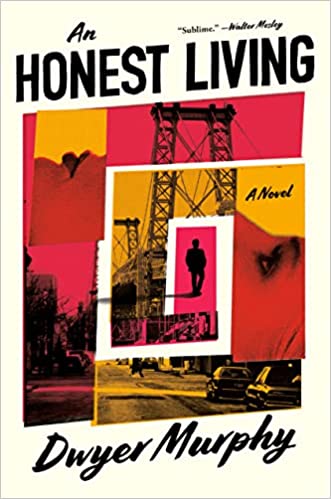
Anchored in life by little except a few friends, a love of books and cinema, and his nascent law practice—a downward slope from his previous position with a prestigious law firm—we never learn the name of the narrator in An Honest Living,Dwyer Murphy’s first novel. Even his clients seem unsure of who he is, and when one gives him a going away present with his name misspelled, our narrator can only ruefully observe “they were only off by a few letters.”
A guy like this makes a perfect patsy and that’s what happens when Anna Reddick hires him to determine if her husband is selling off her valuable collection of rare books. It seems easy enough. Staging a meeting with Reddick’s husband at the Poquelin Society which he describes as “a scholarly society dedicated to the art, science and preservation of the book, whatever that meant,” he quickly scores the proof he needs.
Case solved. Ha! As it could be that easy in a neo-noir novel set in a time and place where everyone seems to have a secret to hide and nothing is as it seems. And that applies also to the people the detective meets. It turns out the woman who hired our detective is not Anna Reddick.
Now, one of the noir fundamentals dictates that there’s a femme fatale, the kind of dame a hero shouldn’t fall for, but of course, always does. And that dame is the real Anna Reddick, a successful author and heir to old New York money. She hires and beguiles our detective to investigate the disappearance of her husband. Marital strife, a possible suicide or maybe murder, theft, and mystery—why wouldn’t you fall for a woman like that?
There are layers to this droll, atmospheric novel including the inside jokes the author wants us to get. If you’re wondering about the Poquelin Society, don’t bother trying to join. It doesn’t appear to exist, at least according to a Google search. But there was a French playwright and actor named Jean-Baptiste Poquelin, though he was better known by his stage name, Molière.
But the biggest of the wink and nods is for movie buffs familiar with the 1974 Jack Nicholson and Faye Dunaway movie Chinatown, directed by Roman Polansky. The plot of An Honest Man is an homage to this great noir classic and the book echoes many of its plot components. The book’s title derives from a conversation Nicholson had in the barbershop scene Chinatown.
But Chinatown is all Los Angeles in 1937 and the story revolves around water rights, incest, and murder. An Honest Living is New York through and through from the scenes that our detective spies from the G Train and the window of his brownstone or the streets he walks littered with trash and 24-hour diners. It’s Manhattan before the financial meltdown—urban, somewhat gritty, and unhomogenized.
Murphy has taken that time period and our knowledge of the looming crisis and created a compelling mystery set in a world of jaded hopes and ambiguous relationships. There’s the overwhelming sense that the other shoe will drop and when it does, it will come down heavy on our somewhat hapless narrator.
Noir land is always smoke and mirrors, and for those who like entering that world, be assured that Murphy is already at work on his next book.
What inspired you to write about an aspiring tattoo artist? Why did you decide to set it in the 1980s?
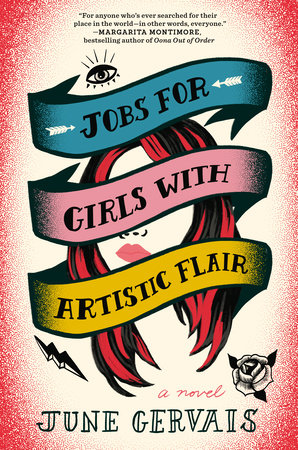
My fascination with tattoos was sparked in childhood, and the tattoo shop setting felt ripe for stories.But when I started the book that became Jobs for Girls with Artistic Flair, I actually didn’t plan to write about an aspiring apprentice in the 1980s. I imagined Gina Mulley as a single mother, an established tattooer in her thirties, circa Y2K, when tattooing really began to catch fire in mainstream culture. I was 19 when I started writing this book, and I thought it would carry more weight if it included a character who was further into adulthood.
As I dug deeper into the story, however, a mentor encouraged me to write a chapter set in Gina’s youth. The resulting scene had such energy, and was so off-the-wall, that I wanted to see what happened next. The fact that Gina’s teens and early twenties would have lined up with the 1980s turned out to be a stroke of luck, because although I didn’t know it yet, tattooing at that time had a much different vibe. It was riskier, more secretive; in other words, it attracted the kind of misfits who make for good characters.
What kind of research did you do to learn about the tattoo industry?
Besides scouring books and documentaries, I interviewed and shadowed ten different tattoo artists, and every one of them taught me something unique and valuable. A few of Gina’s life experiences—like buying her first tattoo machines from an acquaintance who was headed to jail—are drawn from the life of a real-life artist, Lynn TerHaar, the first woman to open a tattoo shop in our county. Many of the fun details about old-school tattooing were furnished by Marvin Moskowitz, a third-generation tattooer whose family had a well-known shop on the Bowery before tattooing was outlawed in New York City. I spent time with Michelle Myles of Daredevil Tattoo, who is not only a veteran artist but a scholar of the art form, and runs a museum within her shop.
I often met these people through moments of synchronicity that left me feeling awed and grateful. One of the most moving was stumbling on the artist who tattooed my mother in the 1980s. She turned out to be a well-known tattooer named Marguerite, one of the first women ever to tattoo on Long Island. I’d had no idea.
At times, Gina struggles to adapt when confronted with change—or lack thereof—in both in her professional and personal spheres. Often, it seems like all the odds are stacked against her. Why was it important to you to show Gina faced with such adversity?
I want stories to be honest about the perils of uphill climbs. If you desperately want to learn a craft, but no one’s paying you to do it—and you’re already weighed down with responsibilities—and you’re short on money, time, or a supportive community—what do you do? Well—you scrape together everything you can and plow ahead; but there’s no guarantee that your labor will ever bear fruit. You can have all the self-discipline and passion in the world, work late into the night or wake before sunrise, but sometimes you’re still thrown back to square one, by events completely out of your control. So you make Plan B and Plan K and Plan Q. You dig deep and find new reasons to keep going, and you find traveling companions, if you can.
I have felt all of this keenly in my quest to write while still caring for loved ones, paying the bills, and clumsily trying to be a decent citizen of the world. All my urgency and frustration—and all the breakthroughs and moments of growth and beauty—ended up in Gina’s story.
What’s your connection to, or history with, tattoos?
I was six years old the first time I walked into a tattoo shop; my mom was getting tattooed, and she took me along. This was in the late 1980s, roughly the same time when my book is set—well before tattoos became mainstream, especially for women—and I was too young to know that the experience I was having was highly unusual. I also had no idea that culture-at-large often viewed tattoos as trashy or dangerous. Mom also studied karate, so I spent a lot of time at her dojo, where many people were tattooed. Because of her, I associated tattoos with love and beauty and strength.
Throughout my childhood, I used to sit beside my mom tracing the lines of her tattoo with my finger. That butterfly on her wrist is probably the most influential piece of art in my life. When I got my first tattoo on my eighteenth birthday, she came with me.
The book deals with dual themes of work and finding a vocation. Gina and Rick (a fellow tattoo artist) are both extremely passionate about their work while Gina’s brother Dominic fell into tattooing because he was good at it. And Anna is stuck in a dead-end job but trying to discover her calling. Can you discuss how these themes affect Gina and the other characters?
Gina has grown up in an insular, go-it-alone family where her mother and brother work to pay the bills, period; she hasn’t been exposed to people who are striving for some common good while also supporting their families. Both Rick and Anna, on the other hand, have been raised in environments where contributing to a larger community is highly valued. Rick mentions at one point that his parents are in helping professions, and even as a tattoo artist, he wants to do whatever good he can. Clues from Anna’s life point to a faith background that emphasized service. These two people really introduce Gina to the idea of vocation.
This is eye-opening for Gina, but complicates her relationship with her brother Dominic. At one point, she wanted nothing more than to follow in Dominic’s footsteps. Now she is baffled and angry when he won’t use his position as a business owner to speak out against injustice in their town—which is something I think a lot of Gen Z readers will relate to. What Gina eventually comes to understand is that for Dominic, work holds a sense of purpose, too; that purpose is just confined to his immediate family and friends. But it’s one more rift that makes Gina question whether she still belongs at this tattoo shop she always considered home.
Tattoo tastes and trends have changed a lot since the 80s. What kind of designs do you think Gina would be creating today?
Luckily for Gina, the kind of botanical designs she created for Anna have grown in popularity the past few years. So have the dotwork and stippling you see in the book’s illustrations. But in order to make a living, most tattoo artists need to do a good deal of whatever’s popular in addition to what interests them, and demand is sometimes driven by what’s trending on Pinterest or Instagram—I saw a very funny clip on Inked Magazine’s YouTube channel where artists were bemoaning how many lions and pocketwatches they’ve done lately. Gina would also probably be getting a lot of requests for lettering, tiny minimalist tattoos, watercolor tattoos, and mandala-style ornamental work, and I’m sure she’d be getting inquiries about hand-poked tattoos… But I imagine Gina getting most excited about a client who gave her the license to create a large-scale piece just for them, something imaginative and new.
The book certainly has a feminist bent, and touches on social justice—was this choice intentional or did these elements arise organically as you wrote? How does Gina think through what we owe ourselves and each other?
I think writers always circle back around to their obsessions, and from the time I was little, I’ve had this built-in obsession—in any given situation—about 1) whether things are being done fairly, 2) whether everybody is okay, and in response to all that, 3) whether I am doing enough. Sometimes I manage to channel this into effective action; sometimes it just manifests as grief and anxiety. And I think the same could be said for Gina in this book. There is no single character in Jobs for Girls who is straightforwardly, autobiographically me; but Gina gets angry about racist real estate practices because I’m angry about racist real estate practices. Anna is haunted by the specter of war because I am, too. Rick’s preoccupation with the question “De qué sirve?”, regarding his work—essentially, “what good does it do?”—is very much my own.
I love that you also asked about what we owe ourselves. In 1986 Marie Shear wrote, “Feminism is the radical notion that women are people.” And amidst all Gina’s conversations with Rick, in which her eyes are opening to other people’s experiences of injustice, she’s also having another awakening: Maybe my wellbeing and my thoughts matter, too.
If you went to Gina’s shop, what kind of tattoo would you get?
I love this question! I think I’d want an oil lamp—or maybe a desk lamp?—tattooed somewhere near my foot.
The lamp thing alludes to two quotes that were deeply meaningful to me as I persevered with this novel. One is from E.L. Doctorow: “Writing a novel is like driving a car at night. You can see only as far as your headlights, but you can make the whole trip that way.” The other is an ancient line of sacred poetry: “Your word is a lamp to my feet and a light to my path.” These two quotes meant so much to me that for years, I told myself: If I ever get this published, I’m going to get a tattoo of a lamp somewhere near my foot. Because the thing about the headlights is true, but I don’t really want a headlight tattoo. Although it might have a cool biomechanical steampunk vibe.
The concept of identity—whether familial, sexual, or community—plays a significant role in the novel. What do you hope readers will take away from the read?
Towards the end of the book, Gina thinks through all the specific nicknames she’s been given by every important person in her life, and the identities attached to those names. None of these encompasses the entirety of who she is. By the end of the book, she’s selected another name, and she’s lettered it into a drawing of what she hopes to do with her life.
Writer Eunice Brown, the founder of Dear Grown-Ass Women, has said, “You don’t have to like me. But I sure as hell do.” By the end of Jobs for Girls with Artistic Flair, I think Gina Mulley has become a person she sure-as-hell likes, and she may not know what’s ahead of her, but she knows for sure that she wants to bring her whole self to it. I hope readers finish the last page feeling a little like that: more alive, a little more awake. I hope they feel electrified by a similar sense that the moment they’re living in is fertile and fleeting, and their wholeness matters. And so does everyone else’s.
ABOUT THE AUTHOR
June Gervais grew up on the south shore of Long Island and is a graduate of the Bennington Writing Seminars. Her many jobs have included shelving library books and taking classified ads, grassroots activism and graphic design, art direction, and teaching. Jobs for Girls with Artistic Flair is her debut novel.
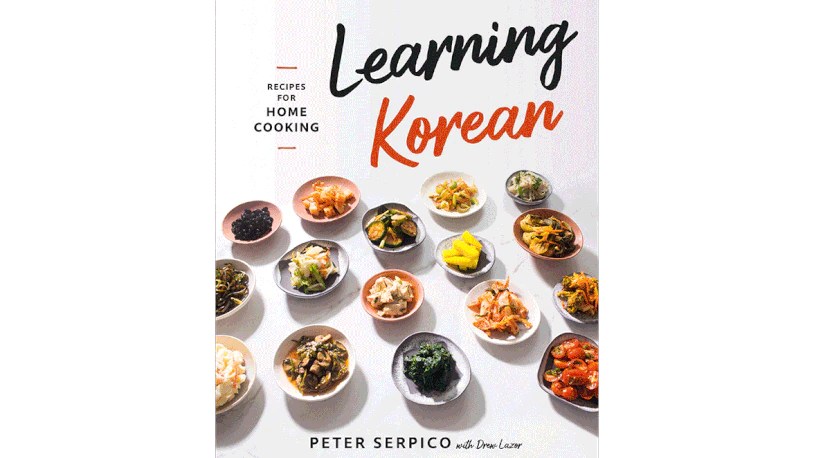
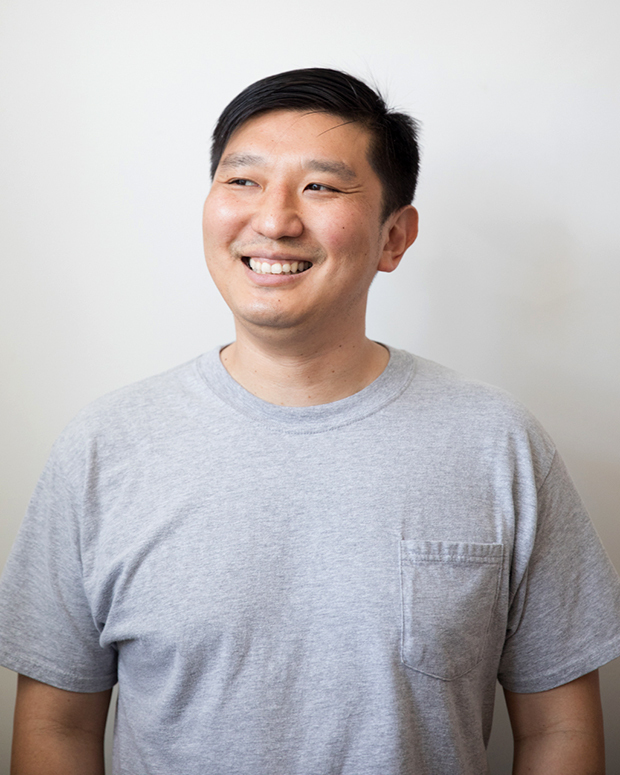
Returning to the flavors of his very earliest years, chef Peter Serpico was born in Seoul, Korea and adopted when he was two. Raised in Maryland, he graduated from the Baltimore International Culinary School and cooked professionally at such well-known restaurants as Momofuku Noodle Bar in New York City’s East Village. Serpico worked with David Chang, who founded the Momofuku chain, in opening two new restaurants. His job as director of culinary operations for Momofuku, Serpico garnered three stars from the New York Times, two Michelin stars and a James Beard Award. He currently owns KPOD, a contemporary Korean-American concept in Philadelphia’s University City.
Serpico was already an award winning chef when a taste of marinated short ribs and black bean noodles reeled him back through the years, giving him a taste of his original home. Now that reckoning, exploration, and elevation of the foods of his past has resulted in his debut cookbook,Learning Korean: Recipes for Home Cooking (Norton), Serpico has long been recognized as a virtuoso with ingredients but his lesser known talent becomes apparent in this book. He makes Korean home cooking easy. For anyone who has tried to master this intricate and delicious cuisine, it’s a relief to be able to easily cook Korean cuisine in a home kitchen using everyday home equipment.
Serpico starts with kimchi, that Korean staple often served in some guise or other, at every meal (and yes, that includes breakfast) with a recipe for Countertop Kimchi and then quickly segues into a master recipe that can be used to make a plethora of the fermented vegetable dishes.
“I also wanted to develop an easy ‘master’ method that could be applied to any vegetable, regardless of its texture, density, surface area, or water content,” writes Serpico before giving us the way to make Apple Kimchi, Carrot Kimchi, and Potato Kimchi, among others.
He continues with the simplification. Sure, there are some complicated recipes for those who already have or want to advance their skills with such dishes as Crispy Fried Rice–a recipe that’s a full page long. Add to that the ancillary recipes needed to complete the dish–Korean Chili Sauce, Marinated Spinach, Marinated Bean Sprouts, and Rolled Omelette which are all on different pages. But for those not up to or interested in the challenge, just flip to the recipes for such dishes as Easy Pork Shoulder Stew, Soy-Braised Beef, Battered Zucchini, Potato Salad, Chocolate Rice Pudding, and Jujube Tea as well as many others.
From the New York Times.
And while anyone experimenting with the cuisine of another country understands that they’ll need to purchase some unique ingredients, these are not budget breakers or, in many instances, so esoteric that after one use they’ll sit unused in your cabinet for an eternity. For example Serpico’s recipe for potato salad calls for Kewpie Mayonnaise instead of the mayo we typically have in our refrigerator. The latter uses whole eggs and white vinegar while Kewpie is made from just egg yolks and rice or apple cider vinegar. But the cost difference is definitely reasonable and a home chef might just find the extra richness translates to other recipes as well whether they’re Korean or not.
About the Author
Born in Seoul, South Korea, Peter Serpico was adopted when he was two years old, and was raised in Laurel, Maryland. Serpico graduated from the Baltimore International College Culinary School and his first cook job was at the Belmont Conference Center, where he worked under chef Rob Dunn. In 2006, Peter began as sous chef at the original Momofuku Noodle Bar in the East Village. For the next six years, Serpico worked with David Chang to open Momofuku Ssäm Bar and Momofuku Ko. As director of culinary operations, Serpico earned three stars from the New York Times, a James Beard Award, and two Michelin Stars, among other accolades. Serpico’s highly praised eponymous restaurant on South Street in Philadelphia opened in 2013.
Due to the COVID-19 pandemic, Serpico was reimagined as Pete’s Place. In 2022, Serpico and restaurant-partner Stephen Starr launched a revamp of Pod, a long-standing Philadelphia pan-Asian restaurant, as KPod, with a menu inspired by Serpico’s native South Korea. Serpico lives with his family in Philadelphia.







.svg)
.svg)

.svg)











 Shelf Life