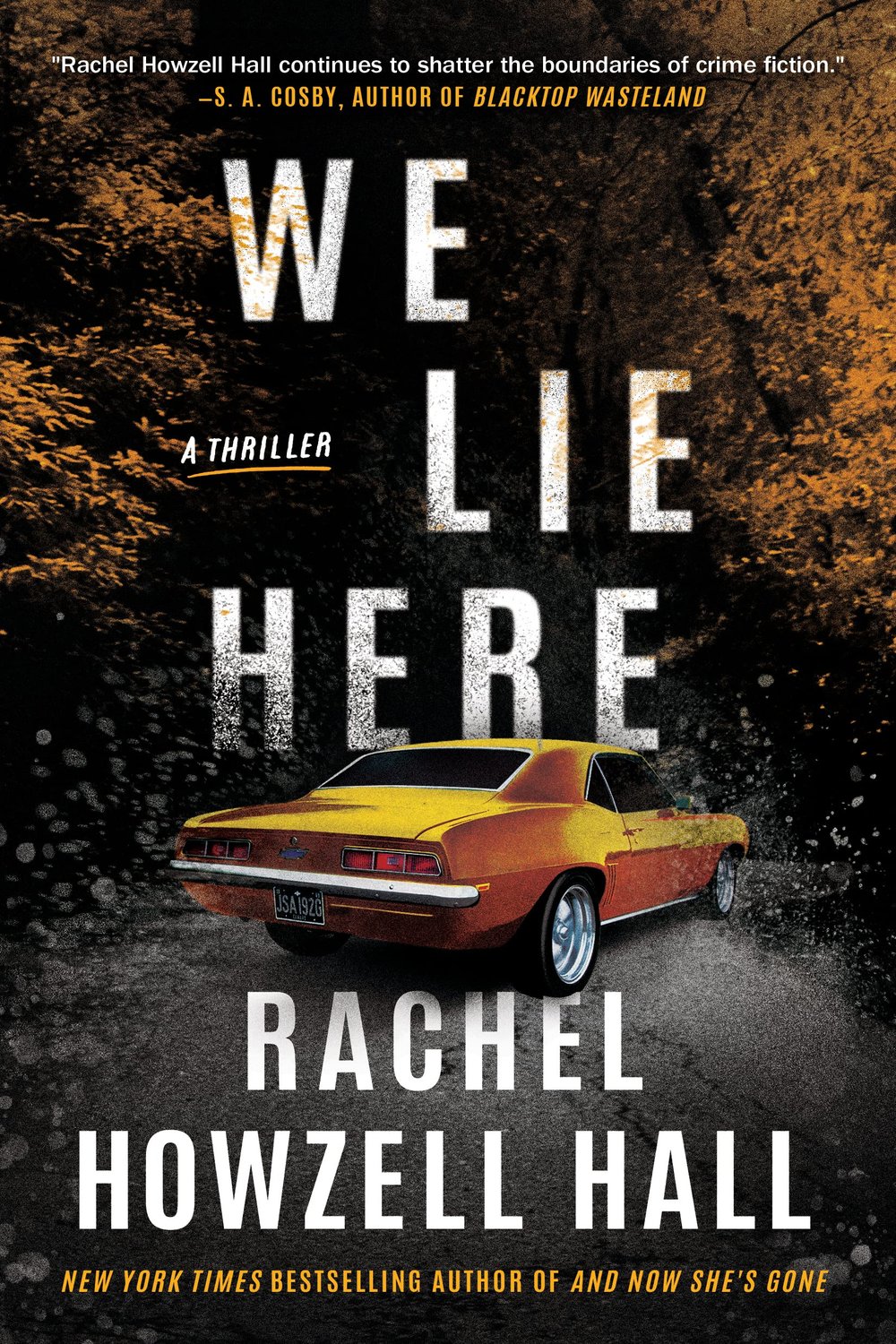
Nominated for the 2023 Los Angeles Times Book Prize in Mystery/Thriller, Rachel Howzell Hall’s We Lie Here (Thomas & Mercer) is the ultimate in twisty family secrets, murders, long standing grudges, and buried–both literally and figuratively–truths.
In this book, Hall, the New York Times bestselling author of And Now She’s Gone and These Toxic Things, tells the story of Yara Gibson, a L.A. screenwriter who returns to the small desert town of La Paz to help plan a family event. Yara has a lot of reservations about the trip and as her time at home progresses she becomes even more wary of what’s going on below the surface of what seems like a typical middle class family. She’s contacted by a woman claiming to be her cousin Felicia who leaves Yara a key to a remote lakeside cabin. Felicia has secrets to reveal about the family and the two agree to meet but then Fellicia’s body is discovered, setting Yara off on a quest to uncover what the family has spent years to hide.
But there’s more going on as well. Files in the basement of the cabin refer back to a tragedy that happened years ago. And as she investigates her family’s past and how it impacts her, Yara becomes concerned she’s losing her focus when things go missing including the medicine necessary to keep her from having an asthma attack. Or is there something more insidious going on?
Hall has again written a tightly woven mystery, one that keeps a reader in their seat, turning the pages to find out how it ends. Also available on CD and Audible.
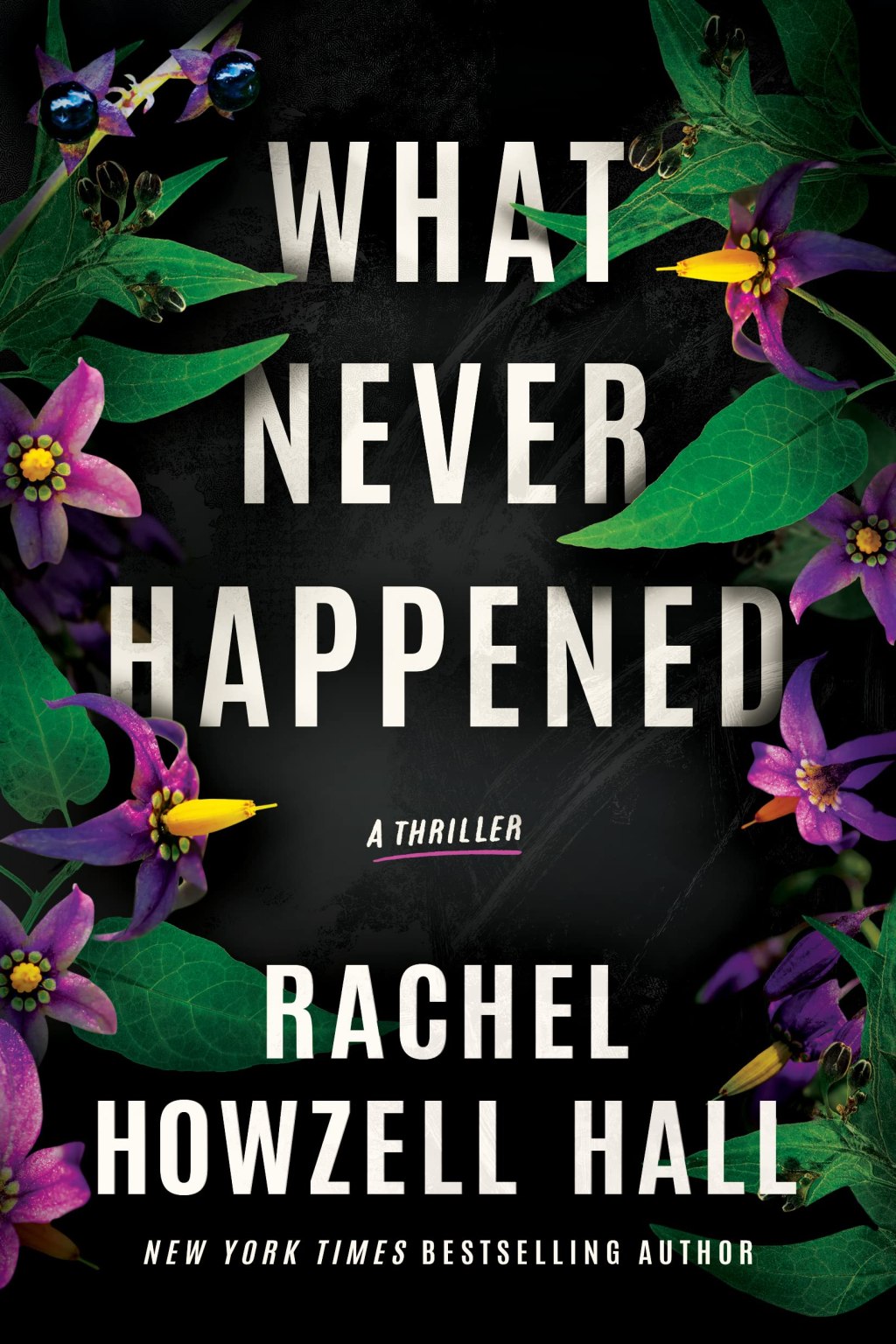
Twenty years ago, Colette “Coco” Weber survived the mass murder of her father, mother, and brother on idyllic Catalina Island off the coast of California. The man accused of the murder is now in prison and Coco, who moved away, married, and is now separated from her husband, has returned to the island hoping to jumpstart her life again.
But Catalina, so pretty with its colorful homes and eclectic boutiques and restaurants, has undercurrents as well. Sure some things haven’t changed. Her Aunt Gwen, who became the caretaker of Coco after the murders, still resents her and is hiding secrets possibly about the ownership of the house where she lives. At first it seems lucky that Coco is still best friends with the owners of the family run island newspapers who hire her to write obituaries—a special skill that Coco excels in. But rampant Realtors are buying up the quaint cottages that line the hilly streets of the island, turning out owners and repricing them at astronomical fees. Catalina, it turns out, may not be the place soon for anyone but the very wealthy.
That certainly includes Gwen, a former house and hotel cleaner with a penchant for stealing both baubles and expensive items from the places she cleans. It’s in a small part, a payback for all the scorn people in her position endure particularly those of color. But it’s also part of Gwen’s sneaky nature and her disdain for most people including her niece.
Before long Coco is involved with a handsome rich guy who works at the paper as a lark. His parents make enough money that he really can just dabble in whatever interests him. Soon, though, Coco suspects him of lying to her about his whereabouts at certain times when he goes radio silence so to speak and doesn’t answer his cell phone. And why has he chosen Coco when there are all these luscious beauty queen types in his past.
“As for her choice of jobs, her family’s obituaries were not special and didn’t capture who she knew they were. And now she has a chance to do for others what she wished had happened for her,” says Rachel Howzell Hall, an award-winning mystery writer about her latest standalone novel, “What Never Happened.” “This is also a story about a woman who’s trying to figure out where she belongs.”
Determining where she belongs also means figuring out who to trust and as she becomes immersed into island life during the isolated time of Covid, she soon learns that’s not easy to do. One big question is who is sending her threatening obituaries—her own—outlining the day of her death. It turns out there are many secrets and as she writes obituaries, Coco notices a stunning similarity in the deaths of many elderly women. They have refused to sell their homes which now are worth small fortunes. But unfortunately, it’s hard to get someone to believe her.
“Coco has been stunted in her growth and her ability to figure people out—she lost her parents during the time when they should have been guiding her and her aunt begrudges having to take care of her,” says Hall, who lives in Los Angeles and has visited the island on field trips with her daughter and also conducted extensive research that goes beyond the tourist brochures. “The way her family was taken away from her left her not knowing who she can trust and that becomes even more so with all that is happening on the island. And then she learns that this person she thought—and the law thought—killed her family, did not do it.”
Determined to find answers, Coco takes chances in trying to solve the mysteries swirling around her. She knows that is the only way she can remain on the island and survive.
Michaela Lambert has a career I’ve never heard of and indeed doesn’t quite exist yet (but someone should start doing it) as a digital archaeologist for a new start-up run by her boyfriend. No make that ex-boyfriend. Well, like everything in Rachel Howzell Hall’sThese Toxic Things, a wonderfully intricate mystery about the secrets that we keep and those that others keep from us, the relationship is complicated.
But Mickie, as she’s nicknamed, loves her job. She’s a thoroughly modern woman but she loves the curios of the past. For Memory Bank she catalogues items that her clients deem most valuable in highlighting important aspects of their life. Unfortunately, Nadia Denham, her new client and owner of Beautiful Things Curiosities Shoppe, a fascinating store in a somewhat seedy strip mall, is found dead. Denham has a plastic bag over her head and left a suicide note but the death looks suspicious none the less. And there is of course, the shark-like developer who wants to buy the land and bulldoze it for his own upscale development.
Since the dead woman already purchased the Mega-Memory Package, Mickie decides to go ahead and create the memory book and suddenly finds herself in a sinister, shadowy world. In ways, Mickie is sheltered, she lives in a tree-lined Los Angeles neighborhood behind the pretty home owned by her loving parents. Her uncle, a LAPD cop is equally protective and dedicated to her well-being. She graduated from USC, over-borrows her mother’s expensive and beautiful clothes and the two giggle over her stories of boyfriends while chowing down tacos. And yet even in this cocooned bubble, there are secrets as well.
Once entering the world of Denham’s beautiful things, she makes good friends at the nearby diner but she’s also suddenly receiving threatening notes and feels as those someone who knows where she lives.
Hall, a self-described control freak and thoroughly plots out her numerous novels (she has one already written coming out next summer and another next year), draws upon her own life and experiences, the stories she hears from friends and co-workers, and what she reads including newspapers, blogs, and social media.
. She and her college bound daughter share clothes, munch on popcorn while gossipping, and she has some secrets she will in the future share with her—though none, I’m sure, are as stunning as the one Mickie will discover about her family.
“Writers are like magpies—we grab shiny things and take them with us,” Hall says and of course that’s true, everything is material for writers. Hall is able to keep track of her complex novels because she is all about organization and has a daily to-do list.
“If I do something that’s not on the list, I add it later so I can cross it off,” she says. “We all have our rituals.”
These Toxic Things is one of an emerging mystery subgenre—that of feisty, independent, and intelligent Black woman who while bravely finding her way in the world also has her vulnerabilities.
“It’s a great awakening of Black female mystery writers, who burst out about three years ago,” says Hall.