
Scarlet Clark, the lead character in Layne Fargo’s newest psychological thriller, They Never Learn, is not your typical English professor. While she takes her studies and students seriously, for 16 years she’s also been on a mission, to eliminate men at Gorman University she considers to be bad guys. By planning carefully and keeping the murder rate down to one a year, she’s managed to avoid discovery. That is until her last killing—the poisoning of a star football player accused of rape—doesn’t go so well.
She’d posted a suicide note on the guy’s Instagram account, but it turns out you can’t kill a star athlete without some ramifications. Suddenly, the other suicide notes written by Scarlet are under review and her current project—dispatching a lewd department head who also (not all of Scarlet’s killings are devoid of self-interest) is her competitor for a fellowship she desperately wants.
Trying to forestall discovery, Scarlet insinuates herself with the police investigation while under pressure to get away with soon with this next kill.
But it’s even more complex than this, after all it is a Fargo book and the Chicago author who wrote the well-received Temper, likes the complexities and power struggles inherent in relationships.
In this case, adding to the drama is the transformation of Carly Schiller, a freshman who has escaped an abusive home life and now immerses herself in studies as a way of avoiding life. But when Allison, her self-assured roommate, is sexually assaulted at a party, Carly dreams of revenge.
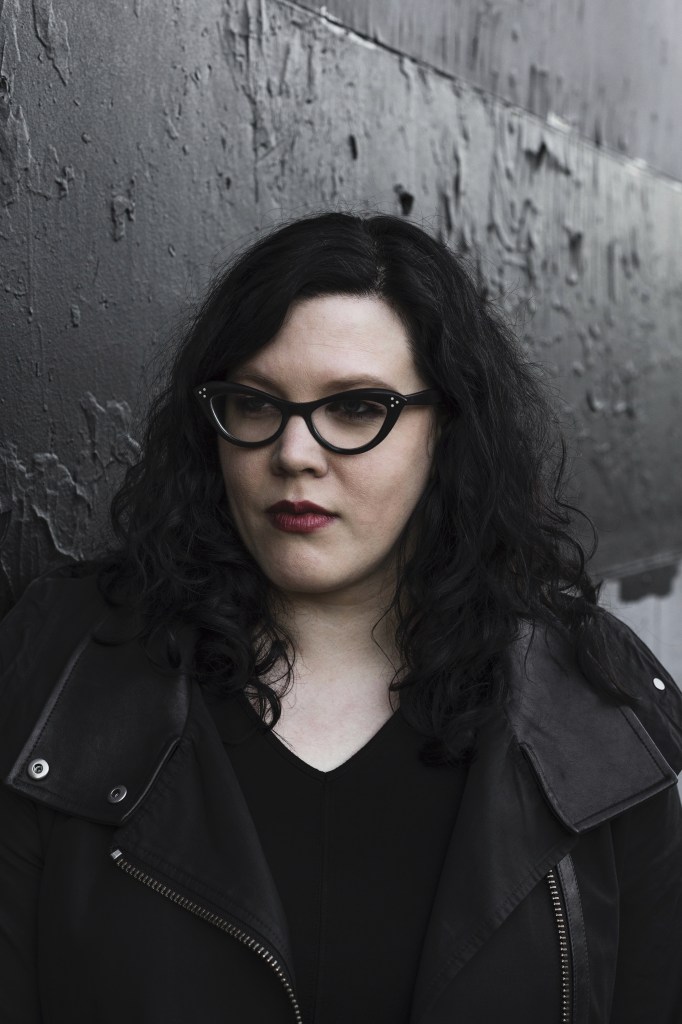
Fargo, Vice President of the Chicagoland chapter of Sisters in Crime, and the cocreator of the podcast Unlikeable Female Characters, has a little bad girl in her too.
“I love the sinister title of They Never Learn,” she says, adding that this, her second thriller, has everything she loves in a book—sexy women, Shakespeare references and stabbing men who deserve it.
She was enraged at what she saw as the injustice of the appointment of a man accused of rape into a high position.
“I channeled that all-consuming anger into a story where men like that are stripped of their power, where they get exactly what they deserve,” she says.
It’s a timely topic and Fargo is excited that PatMa Productions optioned the TV rights for her book, and she’ll be writing the pilot.
That’s a form of sweet revenge.
Layne Fargo Virtual Book Events
When: Thursday, October 22; 6 to 7:30 p.m. CT
What: Layne Fargo in conversation with Allison Dickson, author of The Other Mrs. Miller, to celebrate the release of her new novel, They Never Learn.
This event is hosted by Gramercy Books in Columbus, Ohio, and will be livestreamed on their Facebook page, with participants able to ask questions of both authors in the latter portion of the program.
For more information and to stream: https://www.facebook.com/GramercyBooksBexley/events/?ref=page_internal
When: Sunday, October 25, 1 p.m. EST
What: Fiction: Witches and Other Bad Heroines by Boston Book Festival
To register: https://www.crowdcast.io/e/bad-heroines/register



 Shelf Life