Category: Fiction

  • The Busy Body by Kemper Donovan

    The Busy Body by Kemper Donovan

    “I tell other people’s stories for a living.

    “You can call me a ghostwriter, though usually I just say I ‘freelance’ which is vague and boring enough to put an end to strangers’ polite inquiries . . . That’s a lie . . . About my supposed friends. I have lots of acquaintances, colleagues, and associates—an assortment of people pepper my existence so that if you saw me from the outside you think my life was perfectly full. There are times it seems full even to me. But the truth is I don’t have any friends.”

    Thus opens Kemper Donovan’s The Busy Body where we meet the ghostwriter who has just received the most plum assignment of her career, collaborating with Dorothy Gibson, who just lost the presidential election and has retreated to her lovely abode outside a small town in Maine. Readers might be forgiven for thinking of Hilary Clinton when meeting Dorothy and that’s because Donovan based her character on the former first lady. But she’s also an amalgam of other female politicians including Sarah Palin, Amy Klobuchar, and Susan Collins—according to the author.

    Told in first person, the ghostwriter alludes to a distant tragedy in her past as the reason for her walling herself off from emotional entanglements though we never learn the entire story—possibly Kemper is saving that for future books as it appears our protagonist will become involved in future mysteries.

    The ghostwriting project quickly gets put aside when a murder occurs at the Crystal Palace, a three-story glass maze of cavernous spaces and no stairs that serves as both an event center and hotel overlooking the Crystal River next door to Dorothy’s estate. The first murder victim is a not-so-successful actress, Vivian Davis who has improved her financial and social status in the world by marrying Walter, her plastic surgeon with cold blue eyes, and a hot young assistant with whom he is having an affair. Walter has rented the Crystal Palace and invited one of his medical school classmates, a successful West Coast entrepreneur, to get him to invest in a revolutionary new plastic surgery product he’s invented. The week doesn’t begin well and only gets worse when Vivian is found dead, after apparently downing too many sleeping pills and drowning in her bathtub.

    Shortly before her death, Dorothy and Vivian had a chance meeting, and the obligatory celebrity photo was taken by Vivian of the two of them. The shot goes viral after a toxicology report showed there were no drugs in her system. Vivian’s death is now labeled as a homicide and Dorothy, with her ghostwriter in tow, decides to do some sleuthing much to the ire of the local police.

    Kemper uses his acerbic sense of humor coupled with a fast-moving plot and an interesting assortment of characters, each with a reason to kill, to make The Busy Body, with its twists and turns, a witty and fun whodunit.

    This review originally appeared in the New York Journal of Books.
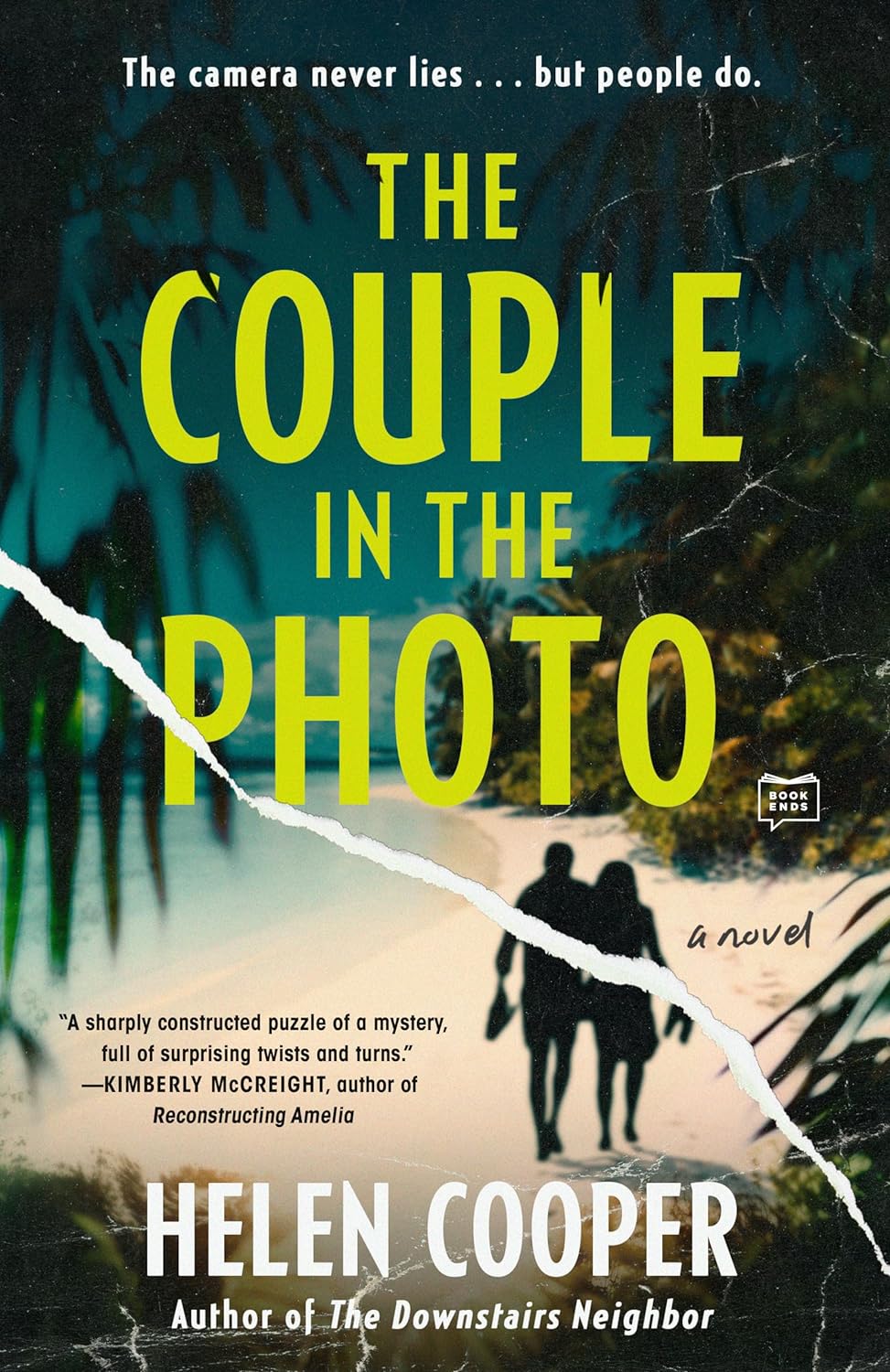
  • The Couple in the Photo by Helen Cooper

    The Couple in the Photo by Helen Cooper

    Always fascinated by photos, Lucy is eager to see her colleague’s snapshots from her honeymoon in the Maldives. But as Lucy slides through Ruth’s pictures, she pauses, surprised to see a familiar auburn-haired man. It’s Scott, her best friend’s husband but the woman with him isn’t his wife Cora nor is she someone that Lucy recognizes.

    “’How…” Lucy’s head felt thick. “What were their names?”

    “’Jason and Anna,” Ruth reeled off with pride writes Helen Cooper in her mystery novel The Couple in the Photo (G. P. Putnam’s Sons). “An interesting pair! Pretty drunk that night but then so were we!’ She laughed to herself as if at some remembered in-joke, then swiped onward, reeling through more palm trees and lapping waves while Lucy sat back in her chair with bile rising in her throat.”

    Unwilling or unable to believe she’s misidentified the man, Lucy begins prying to the consternation of Scott as well as her own husband, Adam, who has been best friends with Scott and Cora since college. When Adam married Lucy she became part of the tightly knit group that is so intertwined that their kids are best friends, and they restoring a weekend cottage they bought together. But Lucy has always felt that there were things she didn’t know from that time, a feeling she tried to dismiss because she had attended the same university as them.

    Her feelings of misapprehension darken into a much deeper concern than just whether Scott, who was supposedly in Japan on a business trip, was having an affair. She tries to get a copy of the photo from Ruth but finds she’s absent from work. Ruth is avoiding her but when finally pins her down says the photo was erased.

    Watching television, Lucy learns that a woman named Juliet Noor failed to return from a trip to the Maldives. Juliet, whose bludgeoned body turns up on the island, is the woman with Scott in the photo. Scott denies knowing her, but Lucy discovers that Juliet, a journalist, interviewed Scott for an article not long before. And there’s a connection between Juliet and Cora, Scott, and Adam. They all went to university together along with a man named Guy who mysteriously died back then.

    It all gets murkier when Ruth says she’s found the photo after all but when she sends it to Lucy, it’s a different couple. And when Lucy arrives at Ruth’s house to confront her, she learns that Ruth has been attacked and it’s not sure if she’ll survive.

    Sick with worry and fear, Lucy realizes that her relationship with her husband and best friends is based on lies, deceit, and possibly more than one murder. The truth is she doesn’t really know them at all. What she does know is that one or more of them may be willing to harm her to prevent the truth from coming out.

    ABOUT THE AUTHOR

    Helen Cooper is the author of The Other Guest and The Downstairs Neighbor. She is from Derby and has a MA in Creative Writing and a background in teaching English and Academic Writing. Her creative writing has been published in Mslexia and Writers’ Forum; she was shortlisted in the Bath Short Story Prize in 2014, and came third in the Leicester Writes Short Story Prize 2018.

    This review originally appeared in the New York Journal of Books.

  • We Lie Here: A Return Home Leads to Toxic Family Secrets

    We Lie Here: A Return Home Leads to Toxic Family Secrets

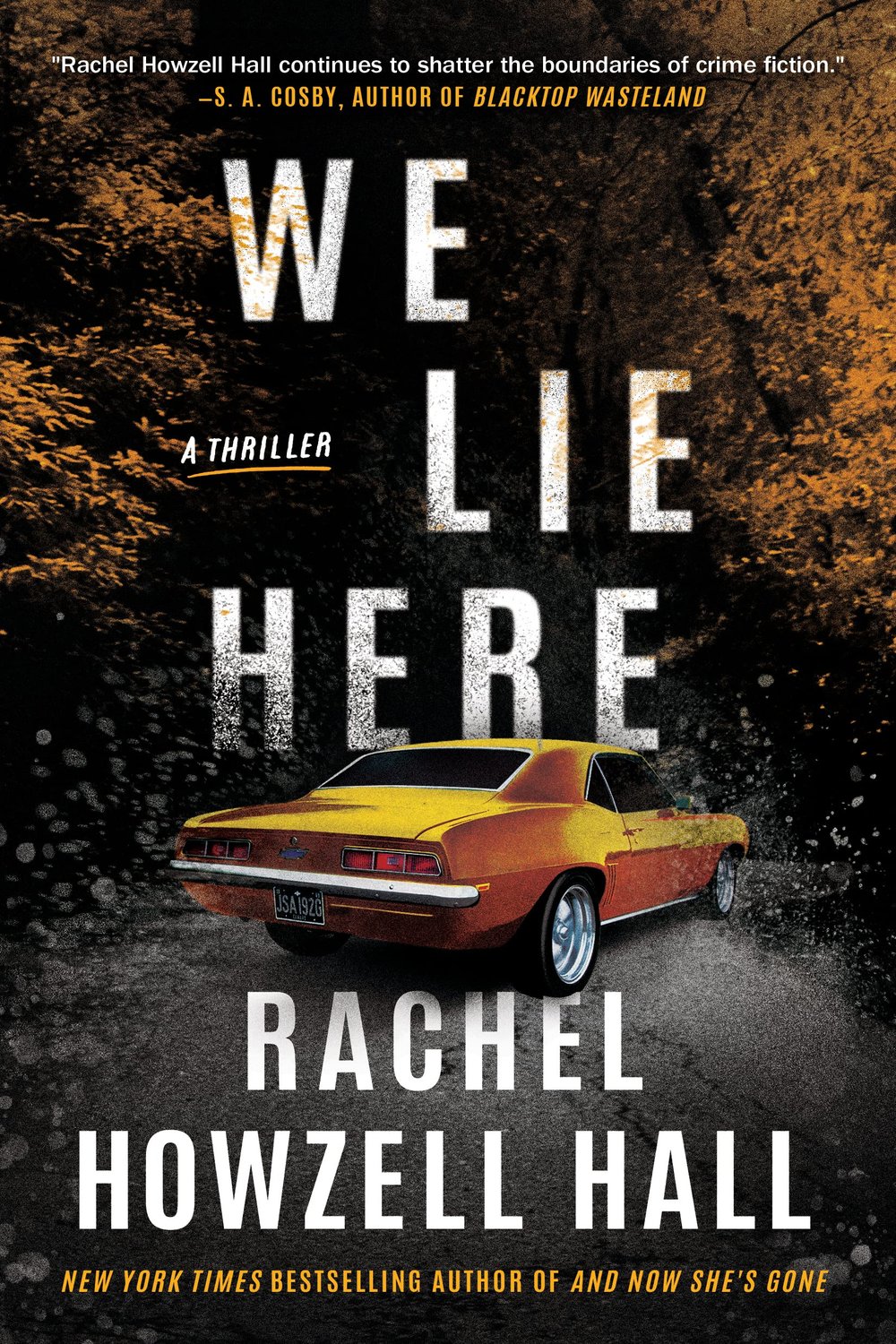
    Nominated for the 2023 Los Angeles Times Book Prize in Mystery/Thriller, Rachel Howzell Hall’s We Lie Here (Thomas & Mercer) is the ultimate in twisty family secrets, murders, long standing grudges, and buried–both literally and figuratively–truths.

    In this book, Hall, the New York Times bestselling author of And Now She’s Gone and These Toxic Things, tells the story of Yara Gibson, a L.A. screenwriter who returns to the small desert town of La Paz to help plan a family event. Yara has a lot of reservations about the trip and as her time at home progresses she becomes even more wary of what’s going on below the surface of what seems like a typical middle class family. She’s contacted by a woman claiming to be her cousin Felicia who leaves Yara a key to a remote lakeside cabin. Felicia has secrets to reveal about the family and the two agree to meet but then Fellicia’s body is discovered, setting Yara off on a quest to uncover what the family has spent years to hide.

    But there’s more going on as well. Files in the basement of the cabin refer back to a tragedy that happened years ago. And as she investigates her family’s past and how it impacts her, Yara becomes concerned she’s losing her focus when things go missing including the medicine necessary to keep her from having an asthma attack. Or is there something more insidious going on?

    Hall has again written a tightly woven mystery, one that keeps a reader in their seat, turning the pages to find out how it ends. Also available on CD and Audible.

  • A mysterious inheritance leads to danger in Kate White’s latest book: “Between Two Strangers”

    A mysterious inheritance leads to danger in Kate White’s latest book: “Between Two Strangers”

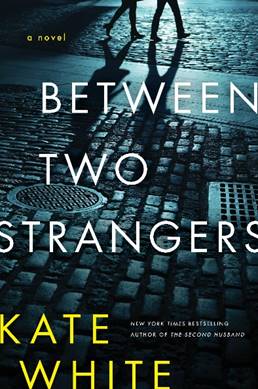
    For the last 12 years, Skyler Moore has struggled with a crippling sense of guilt and an inability to be around large groups. An artist who specializes in collages, her work is about to be displayed in a prestigious art gallery and, hopefully, it will help her shaky finances as she wants to become pregnant through in vitro before her biological clock runs out.

    But hearing she may have to speak to the large crowd expected at the gallery greatly increases her social anxiety. Add to that, she still is dealing with her mother who blames Skyler for what happened to Chloe, her younger half-sister 12 years ago after they became separated at a party.

    Told Chloe had left, Skyler returned to the hotel where she was staying and, unusual for her, indulged in a one night stand with Christopher Whaley, an older, handsome—and married–man she just met. And so sets the stage for Kate White’s newest mystery, “Between Two Strangers.”

    Her half-sister never left the party, her body was found days later at the bottom of a hill on the property. As for Whaley, he and Skyler never meet again but his lawyer contacts her a few nights before her gallery show. Whaley has recently died and left her several million dollars much to the anger of his family. Soon she is being harassed and threatened, her apartment broken into, and her career as an artist stymied when her collages, on display at the gallery are defaced. Skyler, unsure of herself as it is, must face the threats and accusations made against her by his family.

    White, the author of 17 novels, was formerly the editor-in-chief of Cosmopolitan magazine and uses her knowledge of New York and the New York art scene to create a fast paced novel that takes us into that world when Skyler works on a collage that she hopes will help unlock the secret of her half-sister’s death.

    I ask White, during a long phone conversation, how she was able to write best selling novels and work as editor-in-chief of an extremely popular woman’s magazine, That, in itself, must surely have been a full-time job.

    “I was definitely burning the candle at both ends,” she says, adding that when she first got the call to take over the job she had completed four chapters of her first foray into mystery writing. “I put those aside.”

    Uber-successful at editing—she took Cosmo to the number one best seller of single issue copies (the magazine was famous for its covers and inspired advice to women), selling two million copies a month.

    “I loved the job, my team, the magazine,” says White.

    But she also loved mysteries, having become addicted to the Nancy Drew mystery series at age 12. And so despite being married with two children and working as editor-in-chief, she returned to the mystery novel she was writing.

    When I ask where she gets her ideas, White says from many places. She keeps a file of news clippings and notes. A plot, which she is meticulously outlined, can come from overhearing a conversation on an elevator. Yes, she says. She eavesdrops.

    After 14 years at the helm of Cosmo (how many other magazines have a nickname?), White decided to focus on writing full-time. Now she spends part of the year in Uruguay where she and her husband have a place in a small beach town where she enjoys the lavender sunsets, the food and being warm in the winter.

    It is also the perfect place for White to write and she is already at work on her next mystery.

    For more information on White including upcoming author events, visit her website katewhite.com

    This article previously appeared in the Northwest Indiana Times.

  • Book: “What Never Happened” by Award Winning Mystery Writer Rachel Howzell Hall

    Book: “What Never Happened” by Award Winning Mystery Writer Rachel Howzell Hall

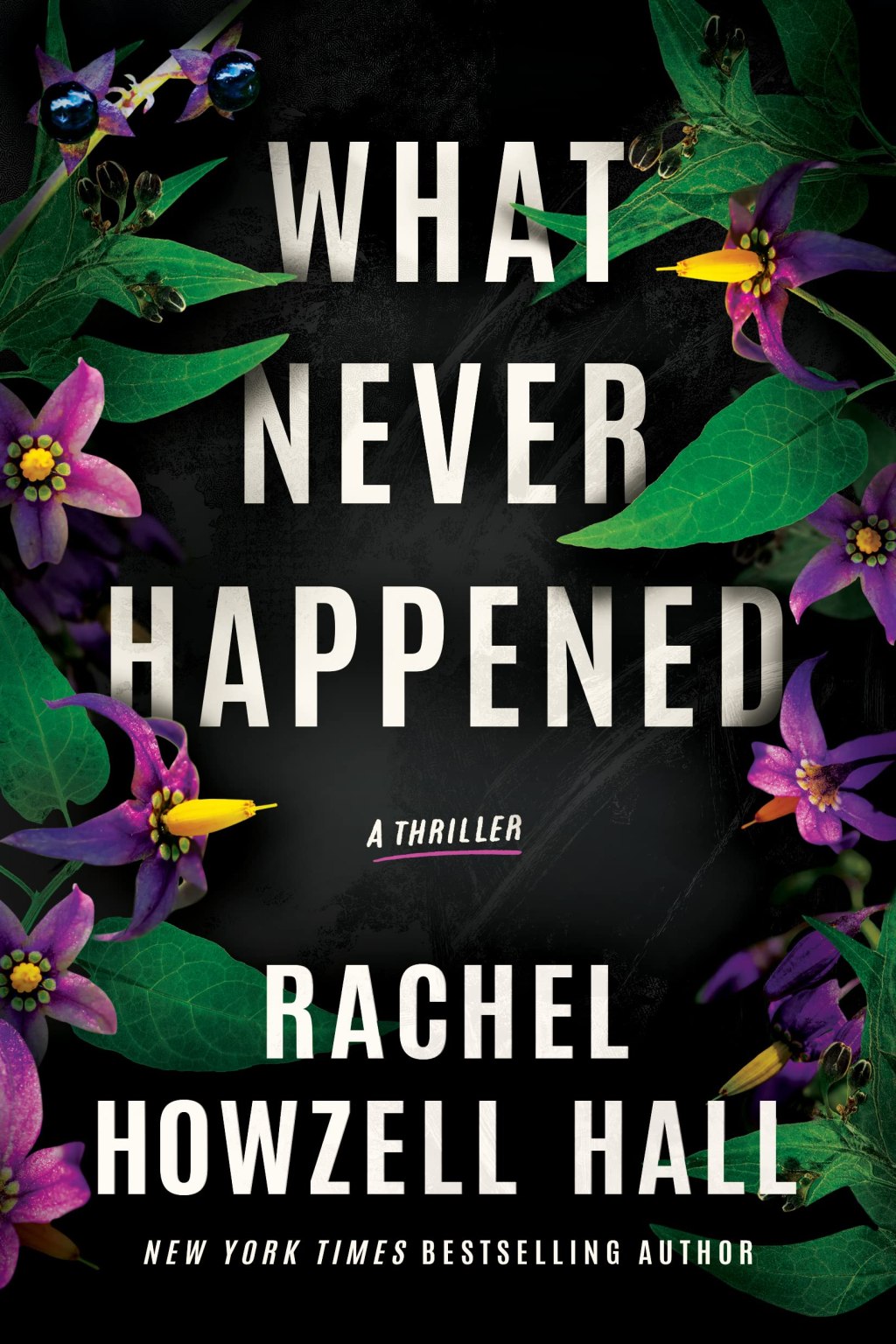
    Twenty years ago, Colette “Coco” Weber survived the mass murder of her father, mother, and brother on idyllic Catalina Island off the coast of California. The man accused of the murder is now in prison and Coco, who moved away, married, and is now separated from her husband, has returned to the island hoping to jumpstart her life again.

    But Catalina, so pretty with its colorful homes and eclectic boutiques and restaurants, has undercurrents as well. Sure some things haven’t changed. Her Aunt Gwen, who became the caretaker of Coco after the murders, still resents her and is hiding secrets possibly about the ownership of the house where she lives. At first it seems lucky that Coco is still best friends with the owners of the family run island newspapers who hire her to write obituaries—a special skill that Coco excels in. But rampant Realtors are buying up the quaint cottages that line the hilly streets of the island, turning out owners and repricing them at astronomical fees. Catalina, it turns out, may not be the place soon for anyone but the very wealthy.

    That certainly includes Gwen, a former house and hotel cleaner with a penchant for stealing both baubles and expensive items from the places she cleans. It’s in a small part, a payback for all the scorn people in her position endure particularly those of color. But it’s also part of Gwen’s sneaky nature and her disdain for most people including her niece.

    Before long Coco is involved with a handsome rich guy who works at the paper as a lark. His parents make enough money that he really can just dabble in whatever interests him. Soon, though, Coco suspects him of lying to her about his whereabouts at certain times when he goes radio silence so to speak and doesn’t answer his cell phone. And why has he chosen Coco when there are all these luscious beauty queen types in his past.

    “As for her choice of jobs, her family’s obituaries were not special and didn’t capture who she knew they were. And now she has a chance to do for others what she wished had happened for her,” says Rachel Howzell Hall, an award-winning mystery writer about her latest standalone novel, “What Never Happened.” “This is also a story about a woman who’s trying to figure out where she belongs.”

    Determining where she belongs also means figuring out who to trust and as she becomes immersed into island life during the isolated time of Covid, she soon learns that’s not easy to do. One big question is who is sending her threatening obituaries—her own—outlining the day of her death. It turns out there are many secrets and as she writes obituaries, Coco notices a stunning similarity in the deaths of many elderly women. They have refused to sell their homes which now are worth small fortunes. But unfortunately, it’s hard to get someone to believe her.

    “Coco has been stunted in her growth and her ability to figure people out—she lost her parents during the time when they should have been guiding her and her aunt begrudges having to take care of her,” says Hall, who lives in Los Angeles and has visited the island on field trips with her daughter and also conducted extensive research that goes beyond the tourist brochures. “The way her family was taken away from her left her not knowing who she can trust and that becomes even more so with all that is happening on the island. And then she learns that this person she thought—and the law thought—killed her family, did not do it.”

    Determined to find answers, Coco takes chances in trying to solve the mysteries swirling around her. She knows that is the only way she can remain on the island and survive.

    Follow Rachel Howzell Hall at rachelhowzell.com

    This book review originally appeared in the Northwest Indiana Times.

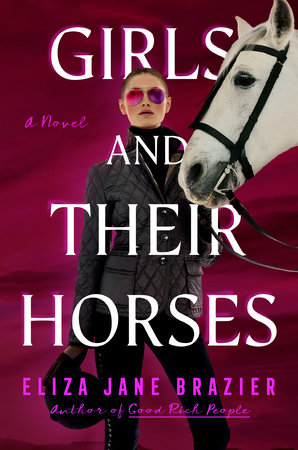
  • Girls and Their Horses by Eliza Jane Brazier

    Girls and Their Horses by Eliza Jane Brazier

    “Horses are healing,” says Eliza Jane Brazier, author of “Girls and Their Horses” (Penguin-Random House), as she walks her horse around the arena while we talk on the phone. Brazier, who first started riding when she was five and has worked as a horse trainer, riding instructor and a head wrangler at a dude ranch, reconnected with her sport and those feelings helped her cope with the death of her husband.

    “I have a horse in my backyard,” she says with a laugh about Tennessee, the draft horse she owns.

    But the love of horses and the pursuit of championships along with the status of the horse owners in the rarefied air of Rancho Santa Fe Equestrian in exclusive Rancho Santa Fe, California can be much more toxic than healthy. This isn’t a jeans and cowboy boots sort of group hanging out in a drafty old barn with straw-covered dirt floors. The equestrian center is all stone and wood beams and the “barn moms” who gather there like it’s a social club can sum the cost of clothes that a new arrival like Heather Parker is wearing just by one quick glance (lucky for Heather she’s wearing an $800 blouse) and how much she’s worth by learning her address.

    And Heather is worth a lot. Her husband stopped telling her how much he was making when it topped $150 million. But money doesn’t make Heather secure, it frightens her. She has other reasons to worry as well. She’s unable to stop her marriage from slipping away, her younger daughter Maple was brutally bullied when they lived in Texas and her older daughter Piper hates the move.

    Their new home is so large that it’s easy to get lost and Heather also carries the scars of her impoverished upbringing and the abandonment by her father.

    She’s determined to make life perfect for her children and she believes that joining the Rancho Santa Fe Equestrian will do just that, creating a bonding experience and also helping her relive and recreate her past. She still feels the pain of losing her barn family when her father left and they no longer had money. She lost friends and overnights and all the things that had made her happy. Now she has the money to give her kids what she missed and is still pining for after all these years.

    Oh, if only it were that easy.

    Her first day at the barn, Heather meets Pamela who takes her in hand. But Pamela has a hidden agenda. Her bank account is filled with nothing but fumes and she sees the rich Parkers as a way to help keep her in good graces with the barn’s owner so she can remain a member. And like Heather, she has a complicated back story as well.

    Add to that, Maple doesn’t like horses. And Piper is jealous because Maple gets a horse the costs seven figures. It’s all so complicated.

    And it becomes even more so when a mysterious death occurs in the barn.

    Brazier’s opening chapter sums up the atmosphere of the rich barn culture perfectly.

    “Oh, I can tell you exactly what happened,” replied the tiny young girl in an expensive riding habit told the police who had been waiting for her to finish her competition at an international horse show when asked if she knew of the murder and what had occurred in the first chapter of the book. “Do you have a mother?” Indeed, this is a wickedly fun murder mystery where the mothers are often more driven for their daughters to succeed than the girls are themselves. “Horses are like mirrors.

    They reflect all the good parts and the bad parts of ourselves back at us,” is a quote from the book.

    “It’s a mean girl kind of place,” says Brazier who is training in show jumping when she’s not writing mystery novels. “And things go deeper and deeper as time goes on.”

    This article originally appeared in the Northwest Indiana Times.

  • Sonali Dev writes about three generations of women in latest book

    Sonali Dev writes about three generations of women in latest book

    “The Vibrant Years” by Sonali Dev, the bestselling Indian American novelist, was the first book chosen by actress Mindy Kaling when she started her publishing imprint, Mindy’s Book Studio with the goal of bringing diversity to readers.

    “Sonali Dev’s ‘The Vibrant Years’ captures the spirit of Mindy’s Book Studio,” Kaling said in the press release announcement. “It’s a joyful and empowering read following a group of unconventional women trying to find themselves.”

    Dev, who lives in the Chicago area, found inspiration when she first began writing from all the Jane Austen novels she read while growing up. Though centuries and a continent separated the two, Dev liked the way Austen dissected British society with wit and flair.

    “You both have a snarky well, I don’t mean snarky but…” I say fumbling with words. I obviously hadn’t had enough coffee that morning.

    “I like that description because there’s so much in the world to be snarky about,” says Dev, who is always polite. “If we don’t laugh at the world around us, we’re just going to constantly believe all the lies they tell us, right? So I think snark is very healthy.”

    Okay, so we’ll call it snark. I like that.

    In “The Vibrant Life,” Dev writes about three generations of women. There’s 65-year-old Bindu Desai who has come into a fortune left to her by a man from her past—a past that she doesn’t want anyone to know about including her daughter-in-law who recently was divorced from her son and her granddaughter, Cullie. The latter is a technology whiz who created an app for coping with anxiety and she now has plenty of it, partly because she’s been betrayed by her boyfriend over the app’s future.

    “I think of it as everything I’ve ever wanted to say about being a woman and the essentially feminine journey has been a central theme of all my books,” says Dev whose other books include “Pride, Prejudice, and Other Flavors” and “Incense and Sensibility,” both of which were bestsellers. “This book about three generations of Indian American women is a culmination of that.”

    Working together, the three help Cullie in her attempts to regain control of her anxiety app while working on their own issues. Aly, the daughter-in-law, is struggling for recognition and advancement at the local news station where she works and where opportunities for Indian American women are limited. Bindu has used her legacy in part to purchase a condo in a posh Florida retirement community. But the members of her HOA board don’t like her attractiveness and vivaciousness. It’s like a replay of high school.

    Dev says she was inspired in part to switch from her more romance-oriented novels to what she describes as women’s humorous fiction because of all the grandmother jokes she saw in fiction.

    “Many older women characters in books are like cardboard, stereotypes,” she says. “They are either vinegary and outspoken or benevolent, wise and a font of affection kind of grandmother. But none of the women I know in their 60s and 70s are like that. I wanted to write characters that are like the older women in my life and the woman who I want to be when I am that age.”