Author: Jane Simon Ammeson

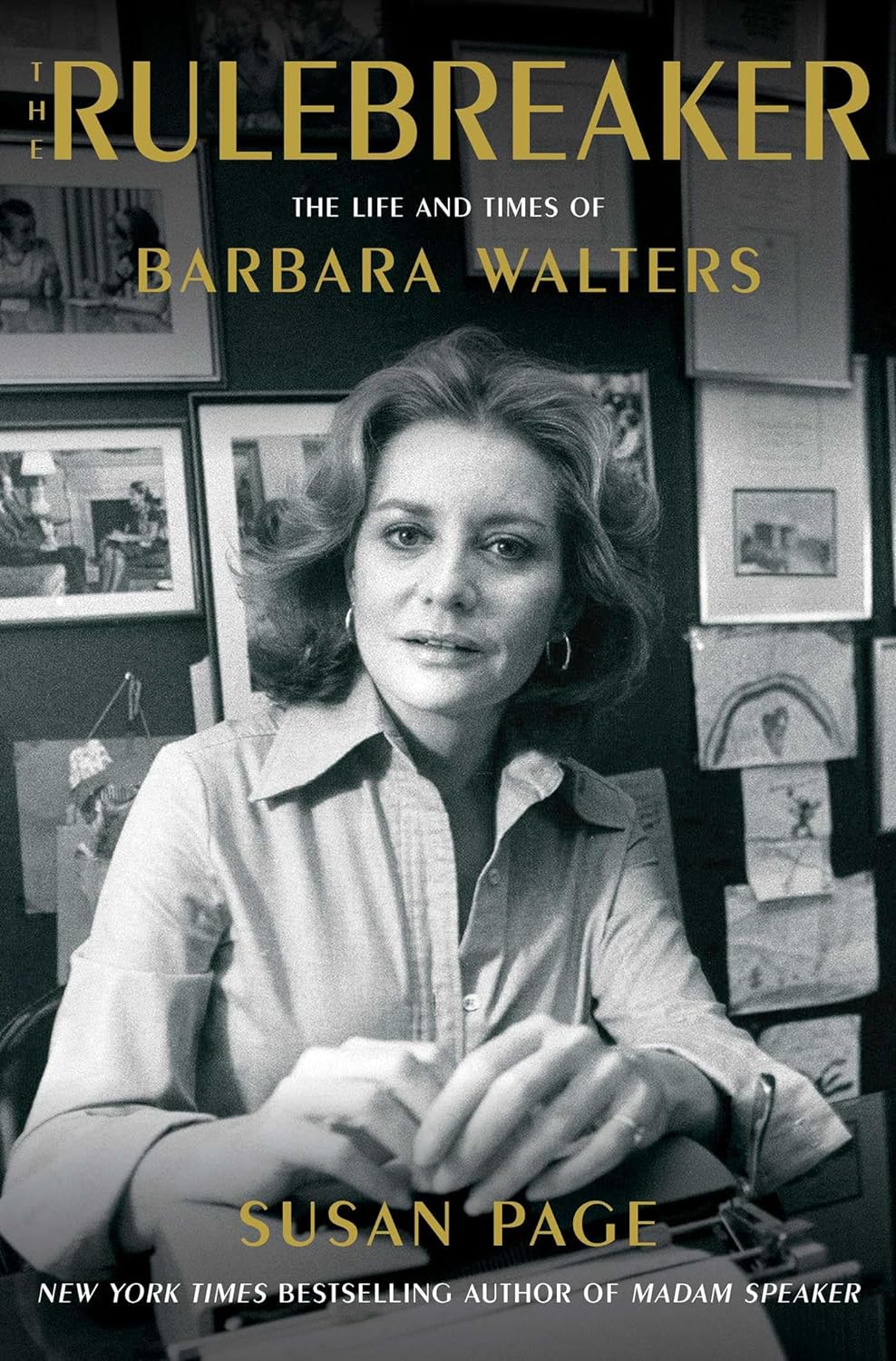
  • The Rulebreaker: The Life and Times of Barbara Walters

    The Rulebreaker: The Life and Times of Barbara Walters

    “a compelling look at a dynamic trailblazer who broke into a field that was male dominated and leading the way for other women . . .”

    “When Dana Walters found her husband ashen-faced and unconscious in their hotel bed, his bottle of sleeping pills emptied, she didn’t call an ambulance,” writes author Susan Page in The Rulebreaker, her biography of Barbara Walters. “She called their daughter.

    “‘I can’t wake your father up,’ her mother said, her voice frantic. ‘He just won’t wake up!!’

    “Barbara ran to the street and hailed a cab for the Hotel Navarro on Central Park South, a mile away where her parents were staying. When she got there, she tried to shake her unconscious father awake—Daddy, Daddy—she shouted—as her mother and sister watched. Jackie, who as always was living with her parents, didn’t fully understand what was happening, but she knew it was a crisis. Lou didn’t respond. Barbara was the one who called the ambulance.”

    Walters was the daughter of a nightclub owner who at times was extremely successful and at other times was broke, his family caught up in a cycle of living high and barely scraping throughout Barbara Walters’s childhood. And though she was a journalist, her father’s showmanship was also part of her genetic make-up; and so when Lou Walters, after having his stomach pumped, was out of danger, she went into public relations mode.

    “No one had to warn the daughter of Lou Waters about the perils of bad press. At the hospital once her father’s stomach had been pumped, she recognized the risk to his reputation in his future prospects if word got out he had tried to take his own life. . . . Sometimes bad news required a shiny finish.”

    This brief description of a major family emergency succinctly highlights the aspects of Walters ‘s personality, a summation of all the components of what led her to be such an outstanding success. She was the one people turned to in crisis. And even though she was devastated and fearful of losing her father, she kept her cool, she evaluated, and then made her decisions about what was the course of action. But underneath it all, her formative years had instilled a sense of impending doom, an understanding that life could change in a nanosecond. But that anxiety didn’t stop her from breaking through the barriers that had kept women out of the coterie of male reporters who were seen as the only ones capable of relaying news with the gravity and seriousness required.

    She was a “rulebreaker,” a woman who managed a somewhat complicated private life (divorces, affairs, and the like) while working toward her goals. Walters is famous for many things and among them are the number of big “gets,” interviews with famous people such as Henry Kissinger, Richard Nixon, John Wayne, Egyptian President Anwar Sadat, Israeli Prime Minister Menachem Begin, Fidel Castro, the Shah of Iran, Monica Lewinsky, Ted Turner, and Betty White.

    Not only a rule breaker but a groundbreaker, when Walters was 67—retirement age for many—she created a new television show with The View, the first in what is now known as talk TV.

    Page, the author of the New York Times bestselling Madame Chair and the award-winning Washington bureau chief of USA Today, interviewed more than 150 people for her book and did a deep dive in archival research. The result is a compelling look at a dynamic trailblazer who broke into a field that was male dominated and leading the way for other women including Oprah, who announced when she was seventeen that she wanted to be Barbara Walters.

    This article previously appeared in the New York Journal of Books.

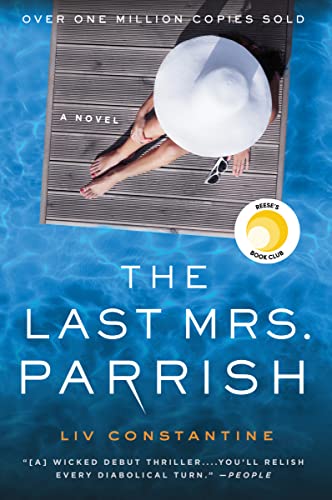
  • The Next Mrs. Parrish by Liv Constantine

    The Next Mrs. Parrish by Liv Constantine

    “’You’ll never own any White Orchard designs, you murderer!’ Her voice cut through the room and there was dead silence. Everyone was staring at them.

    “Remi gasped, and Rory’s brows knitted in a frown. ‘Daisy Ann, what’s going on?’

    “Amber froze, her heart banging in her chest, as her eyes darted around the room, desperate for a way to disappear before things went any further.

    “A bitter laugh escaped Daisy Ann.

    “’This, this . . . gold digger, she’s the one who tricked my father into marrying her and then shot him point-blank. She got away with murder.’”

    From the The Next Mrs. Parrish by Liv Constantine.

    Amber Patterson lied and seduced her way to displace Jackson Parrish’s wife Daphne, snagging the rich and ruthless millionaire to become his wife. But the passion that fueled their relationship barely lasted past the birth of their son Jax and by the time Jackson is sent to prison for tax evasion, and the money needed to fund their ultra-glamorous lifestyle has almost run out, Amber is plotting the next phase of her life. And it doesn’t include either Jackson or Jax, who she finds adorably cute but rather obnoxious in all his demands for her time and attention. But then what are live-in nannies for?

    When Amber discovers the valuable diamonds Jackson had hidden away she thinks all her problems are solved. Even with an unknown provenance—these very rare stones net Amber $14 million and she still has a few secreted away for a rainy day.

    That day may be coming sooner than she expects. She has her ticket to Paris booked and is planning on leaving the country before Jackson is released from prison. Unfortunately for her, Jackson gets home days early and discovering her plans, blackmails her into staying and helping him win back Daphne who has moved across country to protect their two daughters from their father.

    But Jackson isn’t Amber’s only problem. She has risen from her blue-collar roots by guile and murder. She tried to trick a wealthy local man to marry her by getting pregnant and when he refused, she sets him up for a rape charge and sends him to prison. Stealing money from her parents, she jettisons the care of her young son (yes, her maternal instincts are nil) and finagles her way into marrying a rich older man who dies shortly afterward in a mysterious hunting accident. “I thought he was a deer,” she told the authorities. They believe her, but the man’s daughter, Daisy Ann, is on the hunt for evidence that it was no accident.

    As if that wasn’t enough to fuel bad blood between the two women, Daisy Ann had her father change his will to protect the family fortune from his new wife. All that plotting for nothing. So when she snags Jackson, her next step is break into the high society of Bishop’s Harbor where Daphne reigned as queen. But when she is publicly humiliated by Daisy Ann who owns an exclusive line of handcrafted jewelry based upon her mother’s artistic designs, Amber becomes determined to acquire the business.  

    As if all this conniving isn’t enough, Amber and Jackson have set Daphne up to look like an addict who can’t adequately care for her children. When Jackson wins temporary custody, he forces Daphne to move back into the home they once shared. When she refuses to sleep with him, he makes it clear that her life depends upon her changing her mind.

    Though The Next Mrs. Parrish is a sequel to the million-copy, bestselling Reese’s Book Club pick The Last Mrs. Parrish (also available on Audible), it also is a stand-alone novel. Full of the plot twists and turns that fans of Liv Constantine, the pen name of sisters Lynne Constantine and Valerie Constantine, have come to expect and they deliver.

    The two sisters have produced a plethora of bestselling novels like The Stranger in the Mirror and The Wife Stalker. And like those, this is a page turner and immensely readable.

    This article previously ran in the New York Journal of Books.

  •  Local author to appear at bookstore for book signing of new “Lost East Chicago and Indiana Harbor” history book

     Local author to appear at bookstore for book signing of new “Lost East Chicago and Indiana Harbor” history book

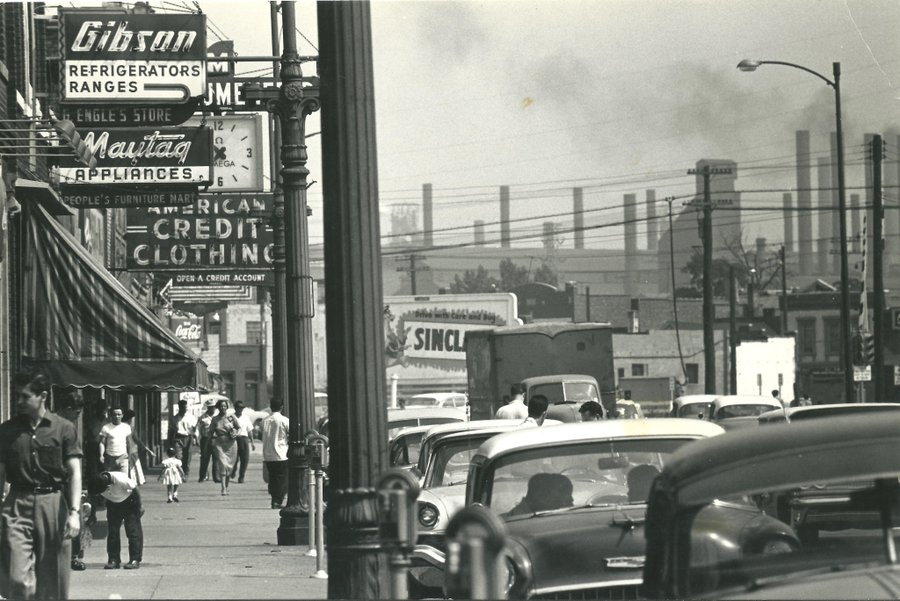
    Award-winning author and journalist Joseph S. Pete will appear at a Northwest Indiana bookstore to sign copies of his new history book, “Lost East Chicago and Indiana Harbor.”

    Pete, a Lisagor Award-winning reporter and columnist, will do a book signing from 11:30 a.m. to 3 p.m. Saturday, July 20 at Miles Books at 2819 Jewett Avenue in Highland.

    He will sign copies of his latest history book about East Chicago and copies of his other books “Lost Hammond, Indiana,” “Secret Northwest Indiana” and “100 Things to Do in Gary and Northwest Indiana Before You Die.” Pete also will sign copies of University of Arizona Professor and East Chicago native Gloria McMillan’s “Children of Steel” anthology about life in steel mill towns, which he contributed a short story to.

    “Lost East Chicago and Indiana Harbor” chronicles the Indiana steel town on the shore of Lake Michigan in north Lake County just outside of Chicago that was a melting pot, drawing immigrants from all over the world to work at its bustling steel mills. As the population boomed in the early 20th century, East Chicago was home to more than 100 nationalities who came for the opportunities in a highly industrialized city that earned nicknames like “The Workshop of America,” the “Arsenal of America” and the “Industrial Capital of the World” while forging the steel that built up 20th-century America.

    Home to one of the most storied basketball rivalries in the state, East Chicago was also known as “The City of Champions” as it produced several high school football and basketball championship teams, including the only two back-to-back undefeated basketball teams in state history and the only two athletes to compete in both the Final Four and World Series. East Chicago gave the world many greats like the NBA’s all-time winningest coach Gregg Popovich, the Milwaukee Bucks star and later corporate magnate Junior Bridgeman, the baseball speedster Kenny Lofton, the actress Betsy Palmer, the boxing legend Angel “El Diablo” Manfredy and the Academy Award-winning screenwriter Steve Tesich, who penned the classic sports film “Breaking Away.”

    Pete’s new book is based in large part on interviews, including with Bridgeman, the state champion who went on to lead the Louisville Cardinals to the Final Four, get his number retired by and Bucks, and build a business empire that made him one of the wealthiest former athletes of all time.

    “Lost East Chicago and Indiana Harbor” takes a fond look back at bygone landmarks like Washington and Roosevelt High Schools, Inland Steel Christmas parties, the Washington Park Zoo, Taco Joe’s, the Mademoiselle Shoppe, movie palaces like the Voge and the gym where Michael Jordan played his first Bulls game. It recounts planned worker communities like Sunnyside and Marktown, the English village designed by noted architect Howard Van Doren Shaw where people park on the sidewalks and walk in the street and that’s featured in Ripley’s Believe It or Not and enshrined on the National Register of Historic Places.

    Pete, who has covered East Chicago for a decade for The Times of Northwest Indiana, relates stories about the Katherine Home, St. Joseph’s Carmelite Home, Big House, bolita, the Wickey Mansion, the Tod Opera House, the Patrick machine and the Crazy Indiana Style Artists graffiti crew, which hung out with the acclaimed artist Keith Haring, appeared on network television, and went on to exhibit their artwork internationally. His book also explores industrial pollution, political corruption, and unsolved mysteries like the deaths of Jay Given and Henry Lopez and the disappearance of the soccer great William “Wee Willie” McLean.

    “Lost East Chicago and Indiana Harbor” looks back at fondly remembered East Chicago intuitions like Albert’s, Dominic’s, Puntillo’s, Shrimp Harbor, Los Burritos, and El Patio Restaurant, as well as curiosities like the East Chicago Hermit and a mummy a local funeral home used to let kids see for a nickel. It also examines the city’s impact, such as producing Indiana’s first Latino elected official, the Hoosier State’s first and longest-running Mexican Independence parade, and the Midwest’s longest-running Mexican American–owned business, as well as the steel that helped shape America and countless other products.

    Pete is an Indiana University graduate, a combat veteran and a board member of the Indiana Society of Professional Journalists and the Chicago Headline Club. He is a playwright and literary writer whose work has appeared in more than 100 literary journals, earning Pushcart Prize and Best of the Net nominations. He’s received many journalism awards, including from the Inland Press Association, the Hoosier State Press Association, the Chicago Journalists Association, Columbia University and the National Association of Real Estate Editors as well as local honors from the Indiana Small Business Development Center and the Duneland Chamber of Commerce.

    For more information or an interview, contact Joseph S. Pete at 219.841.1030 or jpete@alumni.iu.edu.

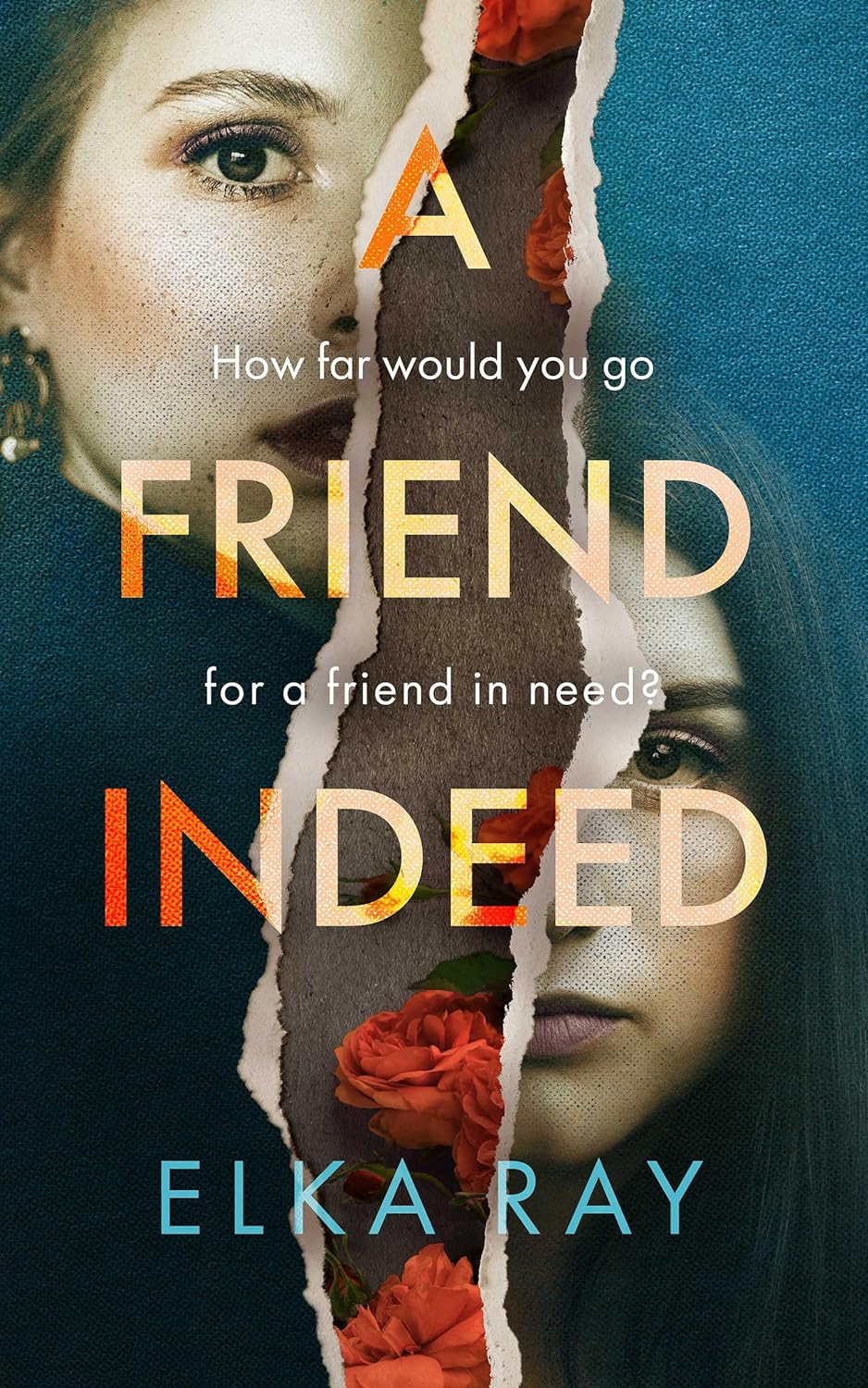
  • Fiendishly Noir: Friend Indeed by Elka Ray

    Fiendishly Noir: Friend Indeed by Elka Ray

    “How far would you go for a friend in need if it meant your life and liberty might come crashing down upon you?”

    “Jo crawls over the bench and squats beside me. One sharp yank get the motor going. ‘I’ll drive,” she says tightly. ‘Move to the middle. And keep an eye out for debris.’

    “I crawl to the central bench and sink down. Jo turns us toward shore. Distant lights twinkle. Wind catches my hair.

    “It’s a relief to be moving, to flush my lungs with cold air.

    “I pull my hands into my sleeves. I’m wet through and chllled. My teeth chatter. For some minutes, we ride in silence.

    “’Dana?’ Although she’s driving slowly we’ve started to bounce again. Jo sounds ill.

    “’Did you love him?

    “I look back over my shoulder, toward my huddled friend and the black knuckles of islands. I find the spot we left Stan. I bite my lip, hard and spin the way we’re headed.

    “’Yes. I still love him.’”

    Two best friends, always there for each other. When Jo is fired from her job and her husband files for divorce, empties their bank account, and leaves her and their daughter homeless, she turns to Dana, married to Stan and living the life of an affluent wife in a ritzy subdivision in Texas. Dana is there for her, encouraging Jo to move back to Texas and gets her a job at the posh private school her children attend, even though Jo is without references.

    So, of course, when Dana calls in the middle of the night needing help, Dana gets into her dilapidated car with her daughter and speeds over. But while Jo’s situation had been dire, the trouble Dana is in takes it to a whole other level. She killed her husband during a domestic assault. Stan, she tells Jo, has been abusive throughout their marriage and she was defending herself. Is that true? It’s difficult to know at first.

    Dana has lived a life many women dream of—a handsome, filthy rich husband, a beautiful house, three children, and all the accoutrements that go with such a set-up. But Jo owes Dana big time and though she wants to call the police, Dana begs her to help dispose of the body.  So the two trundle Stan down stairs and into a boat, weigh the body down, and drop him in the water and then return to the house to scrub, hopefully, everything clean. Exhausted, Jo gets her sleeping daughter into the car to head home and accidentally blows a stop sign causing a speeding motorist to swerve and hit a pedestrian walking her dog. He speeds on but Jo stops and calls 911 though she knows it will tie her to a location near Dana’s home.

    It is not a good evening any way you look at it, but what will happen next will  only get worse as Jo and Dana seem to be surrounded by vultures including malicious gossiping neighbors, zealous cops wanting to crack the case, and a blackmailer. Will the two women, who have known each other for 30 years, withstand all these external forces coupled with their own horror at what happened and what they’ve done?

    Friendship is one thing but author Elka Ray, who was born in Canada, raised in the United Kingdom, and now lives in Central Vietnam, writes suspense novels, often with a touch of noir and poses intricate questions and situations. Her previous books include Divorce is Murder and Killer Coin. In her latest, A Friend Indeed (Blackstone Publishing), she asks, How far would you go for a friend in need if it meant your life and liberty might come crashing down upon you?

    This article originally appeared in the New York Journal of Books.

  • New Eco-Centered Middle-Grade Adventure Teaches Kids How to Make a Difference

    New Eco-Centered Middle-Grade Adventure Teaches Kids How to Make a Difference

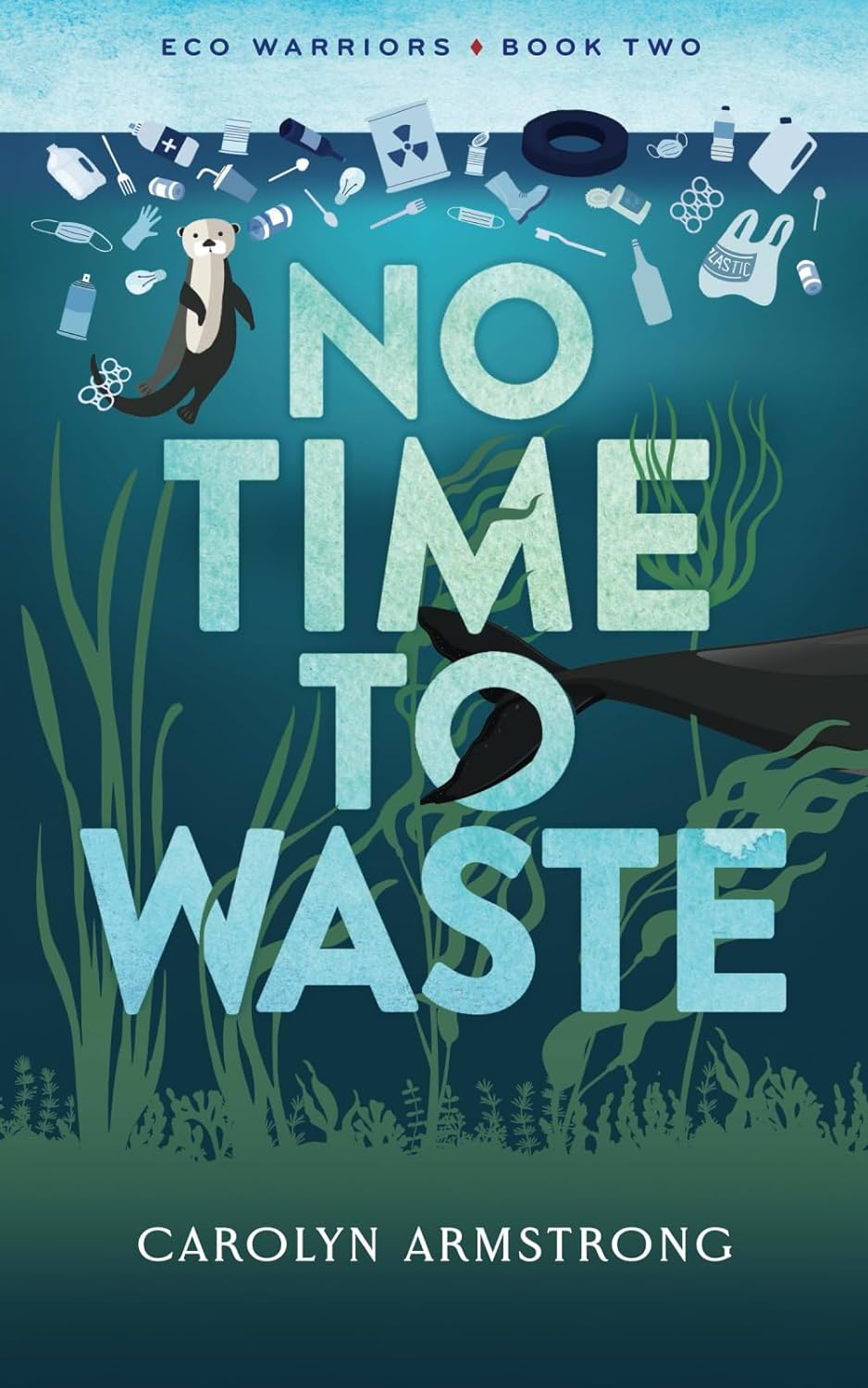
    The Book Stall (811 Elm Street in Winnetka) on Tuesday, July 16th at 4:30 PM is hosting a fun and informative afternoon program with middle-grade author Carolyn Armstrong. She will be discussing her new book, No Time to Waste, a heartfelt eco-adventure about youth activism and the complexities of climate change. The exciting second installment in the award-winning “Eco Warriors” series will transform readers’ eco-anxiety into eco-action, inspiring a new generation of youth activists. You can make a difference! This book is perfect for kids ages 9 to 12. 

    There will be a trivia contest, with prizes, and eco-friendly refreshments will be served!

    This event is free with registration. To register, please CLICK HERE.

    The series follows 11-year-old twins Sydney and Sierra — and their talking animal friends — on their missions to tackle the greatest threats to wild habitats. This time, the twins head to the coast for an adventure that highlights ocean plastic pollution, its effects on marine mammals, and the power small actions have in making a difference.

    Fresh from their Arctic adventure of saving polar bears, Sydney and Sierra visit a sea kelp habitat off the coast of California. While scuba diving, the girls are enlisted to rescue an animal in trouble. Sydney’s animal contact, a sea otter named Sunny, tells them that ocean plastic pollution has entangled another otter, and it needs immediate help.

    Even if the girls can release the otter from its plastic prison, there’s a much greater threat in the ocean. Together, they’ll have to use all of their wits, ingenuity and determination to somehow help their animal friends. But as they try — and fail again and again — Sydney has a sinking feeling that she’s in over her head. One thing is clear: there’s literally no time to waste.

    Author Carolyn Armstrong — environmentalist and former educator —blends her love of travel and animal well-being into the Eco Warriors series, encouraging readers of all ages to be advocates for planet Earth.

    NO TIME TO WASTE — as well as Armstrong’s previous book, AT THE EDGE OF THE ICE — will transform young readers’ eco-anxiety into eco-action, inspiring a new generation of youth activists.

    Praise is already rolling in for NO TIME TO WASTE!

    “The dynamics of twin sisters with contrasting personalities, nosy parents, new content-specific vocabulary, and imminent danger will keep readers on the edge of their seats and, by the end, convert them into allies of ocean conservation.”  —Bibi Belford, Christopher award-winning author of Crossing the LineCanned and Crushed, and Another D for DeeDee (Kirkus Star)

    “Armstrong hooks her audience with the novel’s conflict and leaves them with tangible ways to positively impact the planet.” — Meaghan H., a middle school teacher from Evanston, IL

    NO TIME TO WASTE is available on Amazon and other popular retail outlets where books are sold.

    AUTHOR BIO

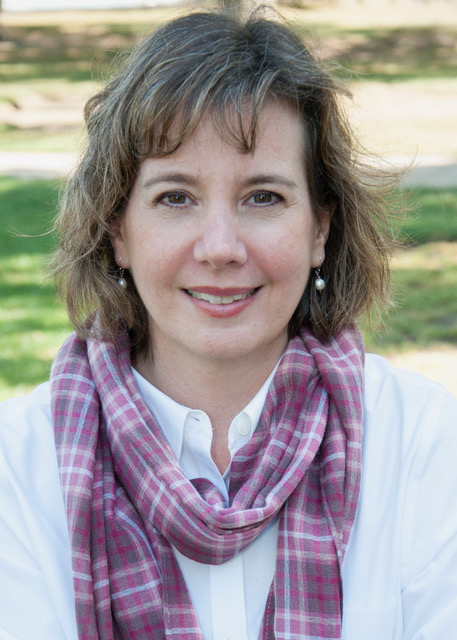
    Carolyn Armstrong is the award-winning author of Earth-friendly middle-grade fiction. A former educator and now an imperfect environmentalist, she blends her love of travel and animal well-being into her stories. She encourages everyone to be advocates for planet Earth. It’s as easy as refusing a plastic drinking straw (and doing it every single time). 

    Carolyn has received multiple awards for excellence in independent publishing, including the National Indie Excellence Award and the Spark Award from the Society of Children’s Book Writers and Illustrators (SCBWI). At the Edge of the Ice made the 2024 Green Earth Book Awards’ Recommended Reading List for best environmental literature for children and young adults.

    Head to www.ckabooks.com to sign up for her monthly newsletter called The Earth-Friendly Edition for People Who Love the Planet. Also on the website: an educator guide, free downloads, blog posts, author visits, and more!

  • Nancy Chadwick-Burke, Michelle Cox, and Patti Eddington: Three Authors Discuss Their New Work at The Book Stall

    Nancy Chadwick-Burke, Michelle Cox, and Patti Eddington: Three Authors Discuss Their New Work at The Book Stall

    The Book Stall (811 Elm Street in Winnetka) will be welcoming authors Nancy Chadwick, Michelle Cox and Patti Eddington on Thursday, July 11th at 6:30 PM. In a discussion moderated by Michelle Cox, each author will talk about her writing process, and the origins of her book. Our guest authors work with similar themes, and they will be exploring these connections in their new works of historical fiction, connections with the natural world, and memoir. Whether you are a fan of writing by and about women or a writer looking for guidance on completing and publishing a book, this is the program for you!  We’ll leave plenty of time for audience Q&A. 

    This event is free with registration! Visit their website or CLICK HERE.

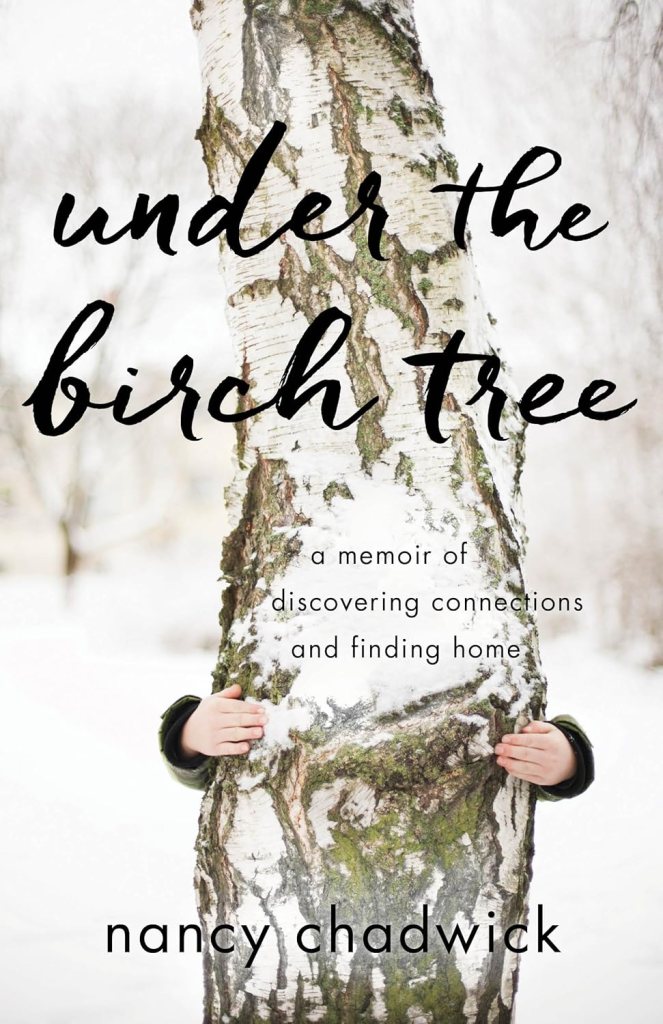
    Nancy Chadwick is the author of Under the Birch Tree: A Memoir of Discovering Connections and Finding Home. Her essays have appeared in The Magic of Memoir: Inspiration for the Writing JourneyAdelaide Literary Magazine, and Turning Points – The Art of Friction, as well as in blogs by Off Campus Writers’ Workshop, the Chicago Writers Association Write City, and Brevity. Her debut novel, The Wisdom of The Willow, has been included in the “Most Anticipated Books of 2024” by the Chicago Review of Books. She finds writing inspiration from her many meanderings through any forest.

    Michelle Cox is the award-winning author of the Henrietta and Inspector Howard series, a mystery/romance saga set in 1930s Chicago. She also pens the wildly popular, “Novel Notes of Local Lore,” a weekly blog chronicling the lives of Chicago’s forgotten residents. Her debut novel, The Fallen Woman’s Daughter, is her first foray into women’s historical fiction and is based on a story she heard working in a nursing home. She has spent years crafting it into a novel and is delighted to finally share it with the world.  

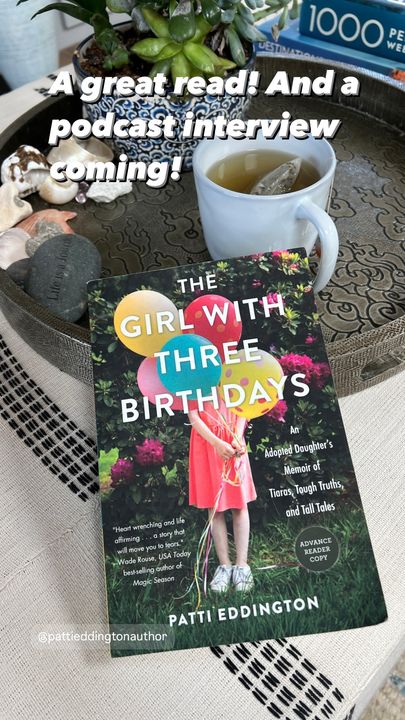
    Patti Eddington is a newspaper and magazine journalist whose favorite job ever was interviewing the famous authors who came through town on book tours. She never dreamed of writing about her life because she was too busy helping build her husband’s veterinary practice, caring for her animal obsessed daughter—whose favorite childhood toy was an inflatable tick—and learning to tap dance. Then fate, (and a DNA test) led her to a story she felt compelled to tell. Today, the mid-century modern design enthusiast and former dance teacher enjoys being dragged on walks by her ridiculous three-legged dog, David, and watching egrets and bald eagles from her deck on a beautiful bayou in Spring Lake, Michigan.

    The Book Stall is an independent bookstore and cultural institution on Chicago’s North Shore. We are known for our great selection of books, cards, and gifts, as well as our long-running author event series. Learn more at www.thebookstall.com.

  • In My Time of Dying: An Evening with Sebastian Junger

    In My Time of Dying: An Evening with Sebastian Junger

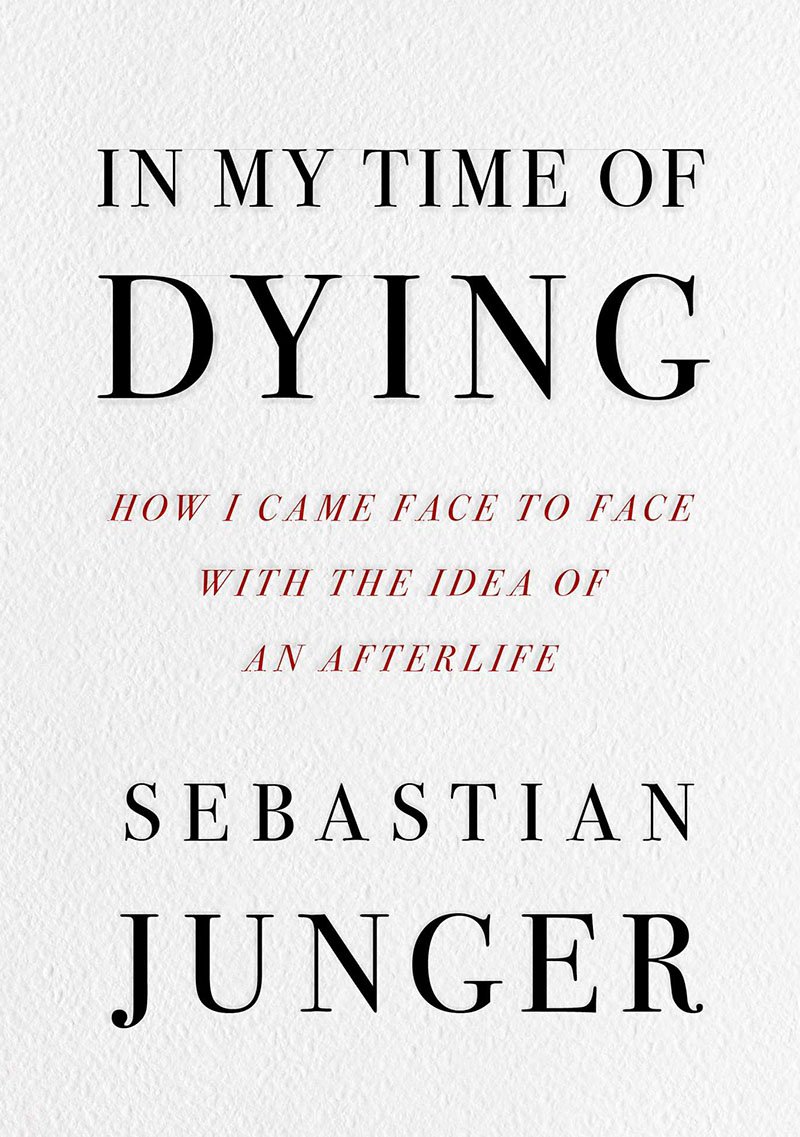
    The Book Stall (811 Elm Street in Winnetka) is thrilled to host New York Times bestselling author Sebastian Junger at the store on Wednesday, June 19 at 6:30 pm for a discussion featuring his new book, In My Time of Dying: How I Came Face to Face with the Idea of an Afterlife. Part medical drama, part searing autobiography, and part rational inquiry into the ultimate unknowable mystery, a near-fatal health emergency led to this powerful reflection on death and what might follow by the bestselling author of Tribe and The Perfect Storm. 

    This is a ticketed program. The ticket price of $30.51 includes a copy of the book, and options include a ticket that admits two people (with one book) or one person with one book. Sebastian Junger will be signing his work following the talk! To purchase tickets, please visit The Book Stall’s website or  CLICK HERE

    More About the Book: As an award-winning war reporter, Sebastian Junger traveled to many front lines and frequently put his life at risk. And yet the closest he ever came to death was the summer of 2020 while spending a quiet afternoon at the New England home he shared with his wife and two young children. Crippled by abdominal pain, Junger was rushed to the hospital by ambulance. Once there, he began slipping away. As blackness encroached, he was visited by his dead father, inviting Junger to join him. “It’s okay,” his father said. “There’s nothing to be scared of. I’ll take care of you.” That was the last thing Junger remembered until he came to the next day when he was told he had suffered a ruptured aneurysm that he should not have survived.

    This experience spurred Junger, a confirmed atheist, raised by his physicist father to respect the empirical, to undertake a scientific, philosophical, and deeply personal examination of mortality and what happens after we die. How do we begin to process the brutal fact that any of us might perish unexpectedly on what begins as an ordinary day? How do we grapple with phenomena that science may be unable to explain? And what happens to a person, emotionally and spiritually, when forced to reckon with such existential questions?

    Sebastian Junger author photo by Christopher Anderson

    Bestselling author James Patterson says, “Let me start this way: I believe that Sebastian Junger is one of the finest writers of our generation. In My Time of Dying is a stunning book about life, about death, about the afterlife…Junger has clearly obsessed about his subject. The result is a powerful book that comes as close as anything I’ve read in explaining what it means to be human.”

    More About the Author: Sebastian Junger is the New York Times bestselling author of TribeWarFreedomA Death in BelmontFire, and The Perfect Storm, and co-director of the documentary film Restrepo, which was nominated for an Academy Award. He is also the winner of a Peabody Award and the National Magazine Award for Reporting.

  •  Says Who?: A Kinder, Funner Usage Guide for Everyone Who Cares about Words

     Says Who?: A Kinder, Funner Usage Guide for Everyone Who Cares about Words

    The Book Stall is hosting linguist, local NPR host, and veteran English professor Anne Curzan on Wednesday, June 12 at 6:30 pm for a discussion featuring her new book, Says Who?: A Kinder, Funner Usage Guide for Everyone Who Cares about Words (PenguinRandom House). With lively humor and humanity, Says Who? reveals how our choices about language usage can be a powerful force for equity and personal expression. For proud grammar sticklers and self-conscious writers alike, Ms. Curzan makes nerding out about language fun. She will be happy to sign her work.

    This event is free with registration. To register, please visit their website or CLICK HERE

    More About the Book: Our use of language naturally evolves. It is a living, breathing thing that is a reflection of us, so we shouldn’t let our language peeves raise our blood pressure too high. Says Who? offers clear, nuanced guidance that goes beyond “right” and “wrong” to empower us to make informed language choices. Never snooty, scoldy (yes, that’s a “real” word!), or boring, this book pulls back the curtain to reveal where the grammar rules we learned in school actually come from and to unmask the forces that drive dictionary editors to label certain words as slang or unacceptable.

    Anne Curzan gives readers the guidance they need to adeptly manage formal and informal writing and speaking. Curzan gently explains, without judgment, how to connect local guidance with a bigger map for how to think about usage questions. Applying entertaining examples from literature, newspapers, television, and more, Curzan welcomes usage novices and encourages the language police to lower their pens, showing us how we can care about language precision, clarity, and inclusion all at the same time.

    Ben Zimmer, language columnist for The Wall Street Journal, says, “A delightful exploration of the quirks and controversies in the English language . . . Whether you embrace your inner ‘grammando’ or inner ‘wordie,’ Says Who? is sure to satisfy anyone curious about language’s ever-shifting landscape.”

    More About the Author: Anne Curzan is the Geneva Smitherman Collegiate Professor of English, Linguistics, and Education and an Arthur F. Thurnau Professor at the University of Michigan, where she also currently serves as the dean of the College of Literature, Science, and the Arts.

  • The Year of the Locust by Terry Hayes

    The Year of the Locust by Terry Hayes

    When my friend David Brown asked me to read “The Year of the Locust” and give him my opinion, I was less than excited. Written by Terry Hayes, a former journalist, and Emmy-nominated screenwriter who wrote the screenplays for, amongst others, Mad Max 2 – Road WarriorDead Calm, Mad Max Beyond ThunderdomePayback, From Hell, and Vertical Limit, it definitely didn’t sound like my kind of book. I hadn’t seen any of the movies he’s written nor read his previous bestselling novel, “I Am Pilgrim,” published ten years ago to rave reviews.

    But friendship is friendship and if David, a book publicist that I’ve known for years, wanted my input, I’d give it a go. Downloading the book on my Kindle, I sat down with a cup of coffee and started reading.

    Two hours later my coffee was cold, but I was too entranced by Hayes’s book to make another cup as I followed CIA agent Ridley Kane, a Denied Access Area spy for the CIA meaning he can go wherever and do whatever needs to be done.

    Kane is sent to the baddest of the badlands, the remote and geographically hostile 1600-mile border where Pakistan, Iran, and Afghanistan meet. Known as one of the most dangerous spots in the world, it’s a lawless place, the perfect place for robbers, murderers, and terrorists to hide in its many caves.

    Kane’s job is to extricate an informant who has information about an upcoming Armageddon-like terrorist attack. He’s too late. The informant has been captured by The New Islamic Army of the Pure, and his family—a wife and two daughters staked out and left to die in the terrorist’s camp.

    If Kane followed protocol, he would fade back into the desert but he can’t leave the mother and daughters to die and shoots their captors, setting them free. A noble act but one that makes it personal with Abu Muslim al-Tundra, known as the locust and formerly a chief with al-Qaeda and ISIS and an extremely deadly adversary. It’s al-Tundra’s brother that Kane has killed.

    “The Year of the Locust” took Hayes ten years to write and it was when he was stuck in Portugal because of the COVID quarantine, away from his wife and three children, that he finally finished the 250,000 word novel.

    “I couldn’t go anywhere for two years,” he says.

    But Kane definitely goes places and among the many fascinating aspects of his book are his descriptions of locations I didn’t know existed.

    I mean who knew about Baku, which is where one of the climactic scenes from the book occurs? A city on the Caspian Sea in what is now Azerbaijan, the Rothschilds, and the Nobels (of the Swedish family, founders of the Nobel prize) established a thriving oil industry there in the 1870s, building mansions as they sucked the oil out of the ground.

    So why did it take ten years to write this novel which was due out in 2017?

    “I don’t care how long it takes, or how hard it is, I just want it to be good,” says Hayes, who threw out the entire first manuscript for “The Year of the Locust” and began again.

    Hayes says he always wanted to be the J.R.R. Tolkien of the spy genre and Locust has some aspects of Tolkien in its storyline. I found the spy technology of what the CIA can accomplish fascinating but was able to segue easily when it became more science fiction-like with its time-bending take. There is also a bit of romance between Kane and his wife Rebecca, a feisty emergency room doctor and the mother of his children.

    Loquacious and full of anecdotes, my conversation with Hayes lasted for three hours and ended only because I had another appointment. We chatted about his life in Hollywood when a movie writer (he spent a long time talking to a couple who looked familiar and only later learned they were Ringo Starr and his wife, actress Barbara Bach), his children (“I wish I could get them to listen to me”), and his wife (“she’s rolling her eyes now at what I just said”).

    I obviously owe David a big thanks.

  • Western Mexico, A Traveler’s Treasury: Notes from the Road from the 16th Century On

    Western Mexico, A Traveler’s Treasury: Notes from the Road from the 16th Century On

    Once called Coatlan after the earthenware vessels that were coiled like a serpent and used for storing pulque, a white wine made from the Mexcal tree and used as an offering to a stone idol, Cuiseon was a small village on The Nine Rivers which flowed into Lake Chapala. 

    This and other food traditions, according to The Geographic Account of Poncitlán and Cuiseo del Río dated March 9, 1586, showed their typical fare as venison, fish, and rabbit, a thin kind of porridge to drink hot with powdered chile that was broken up and sprinkled on top, and Izquitl—corn toasted on a comal and seasoned with salt. The villagers harvested chia, huauhtli, and cocotl, the latter a mustard-like seed that is ground up and mixed with corn and water to drink both before and after eating.

    As it relates to the foods we eat today, we still consume corn and fish and season with salt and powdered chiles. We’re less likely to dine on venison or rabbit while cocotl is so obscure that even a Google search doesn’t come up with a hit. But both chia and huauhtli, a species of amaranth, an ancient grain, are recognized as beneficial to our health. And so, the foods of this village still play a part in our lives.

    This is an obscure slice of everyday life, a glimpse into the past that would be lost to time, confined to dusty archives, and/or shelved away to be forgotten in libraries or museums, if not for the work of Tony Burton, an award-winning writer whose books include “Lake Chapala: A Postcard History” (2022), “Foreign Footprints in Ajijic: Decades of Change in Mexican Village” (2022), “If Walls Could Talk: Chapala’s historic buildings and their former occupants” (2020), “Mexican Kaleidoscope: myths, mysteries and mystique” (2016), and “Western Mexico, A Traveler’s Treasury” (4th edition, 2013).

    Reading through a unique collection of extracts from more than fifty original sources, many never previously available in English, Burton’s book, “Lake Chapala Through the Ages; an anthology of travelers’ tales,” is a fascinating look at the region's formative years from the arrival of conquistadors in the early 1500s to the start of the Mexican Revolution in 1910, as told through the eyes of an assortment of travelers-- poets, friars, exiles, government officials, geographers, historians, explorers, and scientists.

    What they saw in their journeys is fascinating, as are the people who traveled and then shared their observations.

    "My inspiration was really curiosity about the documentary basis for things I’d heard about the history of the area, some of which struck me as highly imaginative," says Burton. "I began working on the book way before the development of online search engines or digitized books, so it took me almost a decade to track down originals of the 50+ published works, excerpts from which appear in the final book. It would have been impossible without the support of an excellent inter-library loan system, personal visits to libraries in the USA and England, and the generous contributions of a small army of people I thank in the book’s acknowledgments.

    "I still remember the shivers that ran down my spine when I first handled the leather-bound Belgian journal from the 1830s containing an article about Lake Chapala by Henri Galeotti. I knew that article existed because some parts had been translated into Spanish and published in Mexico. The challenge of finding the original proved to be well worth the effort—in my opinion, Galeotti’s masterful, illustrated, systematic, scientific coverage of the area's geology and natural history has no equal."

    Barrister and seasoned traveler William Henry Bullock Hall (1837–1904), who was born in Essex, England, and educated at Balliol College, Oxford visited Mexico taking a route that began in Veracruz and took in Mexico City, Tepic, San Blas, Guadalajara, Querétaro and Tampico."

    Looking for boiling water while staying at the hacienda of Buena Vista, he made the following observation:

    “In one of the recesses of the building, I discovered, over her earthenware pots, the old woman, upon whom you are sure to stumble, sooner or later, in Mexican houses, if you only persevere. As good luck would have it, this old crone was in the act of trying to blow into a sufficient glow to boil a jug of water, the bits of charcoal which, laid in a square receptacle sunk in the face of a solid brick counter, do the duty of a fire all over Mexico. From this old lady I obtained not only boiling water, but a couple of poached eggs, so that I fared sumptuously.”

    English women often were intrepid travelers, journeying to places remote and probably most uncomfortable. How joyous to meet Rose Georgina Kingsley (1845–1925), the oldest child of the Rev. Charles Kingsley, a celebrated English clergyman and novelist, who contributed the prologue to her book” South by west or winter in the Rocky Mountains and spring in Mexico,” published in 1874 and digitized by Harvard University in 2006.

    Rose crossed the Atlantic to Colorado Springs in November 1871 to join her brother, Maurice, who was assistant treasurer of the company developing Colorado Springs writes Burton, noting that, even by 1872, there were fewer than 800 residents, so both Kingsleys were pioneer settlers. Her writings and sketches were published by General William Jackson Palmer, the founder of Colorado Springs, a railway entrepreneur and owner of the newspaper Out West.

    When Palmer decided that same year to examine possible routes for a railway linking Texas to Manzanillo, Rose accepted the invitation to join him along with his wife, Queen, and General William Rosencrans on a trip that took them first to Manzanillo and then inland to Colima, Guadalajara, Guanajuato, Querétaro, and Mexico City. Her descriptions of the sights and interactions along the way are fascinating.

    “At San Pedro [Tlaquepaque] we stopped and got three men as escort, and at 9.30 came to San Antonio, a hacienda where we changed mules, and had breakfast in a hut by the roadside,” she writes. “The women in the hut, which was only made of sticks and thatch, gave us eggs, frijoles, tortillas, and carne seca, in chilli Colorado sauce, which for hotness almost beat the mole de guajalote at Atenquique. But besides these native viands we got capital chocolate, made from some cakes we had brought with us. So, on the whole, we fared well.”

    They arrived at La Barca, on the Rio Lerma, on market day and ate a very good meal in a dirty fonda (restaurant) where the walls were covered with broken bits of pottery in decorative patterns. There they learned they had barely missed being robbed the night before—all of which Rose, in her writings at least, takes in stride.

    Burton, the editor-in-chief of MexConnect, Mexico’s top English-language online magazine, spans time and place to take us into one of his favorite regions of Mexico where he lived for over a decade, bringing the past alive and introducing us to an interesting cast of characters.