Classic Crime Novels, Newly Reissued and as Thrilling as Ever https://www.nytimes.com/2025/12/24/books/review/new-mystery-novels.html?smid=nytcore-android-share
Author: Jane Simon Ammeson
-
NYTimes: Billy Idol Had It All, and Then He ‘Lit It With Butane’
Billy Idol Had It All, and Then He ‘Lit It With Butane’ https://www.nytimes.com/2026/02/19/arts/music/billy-idol-should-be-dead-documentary.html?smid=nytcore-android-share
-
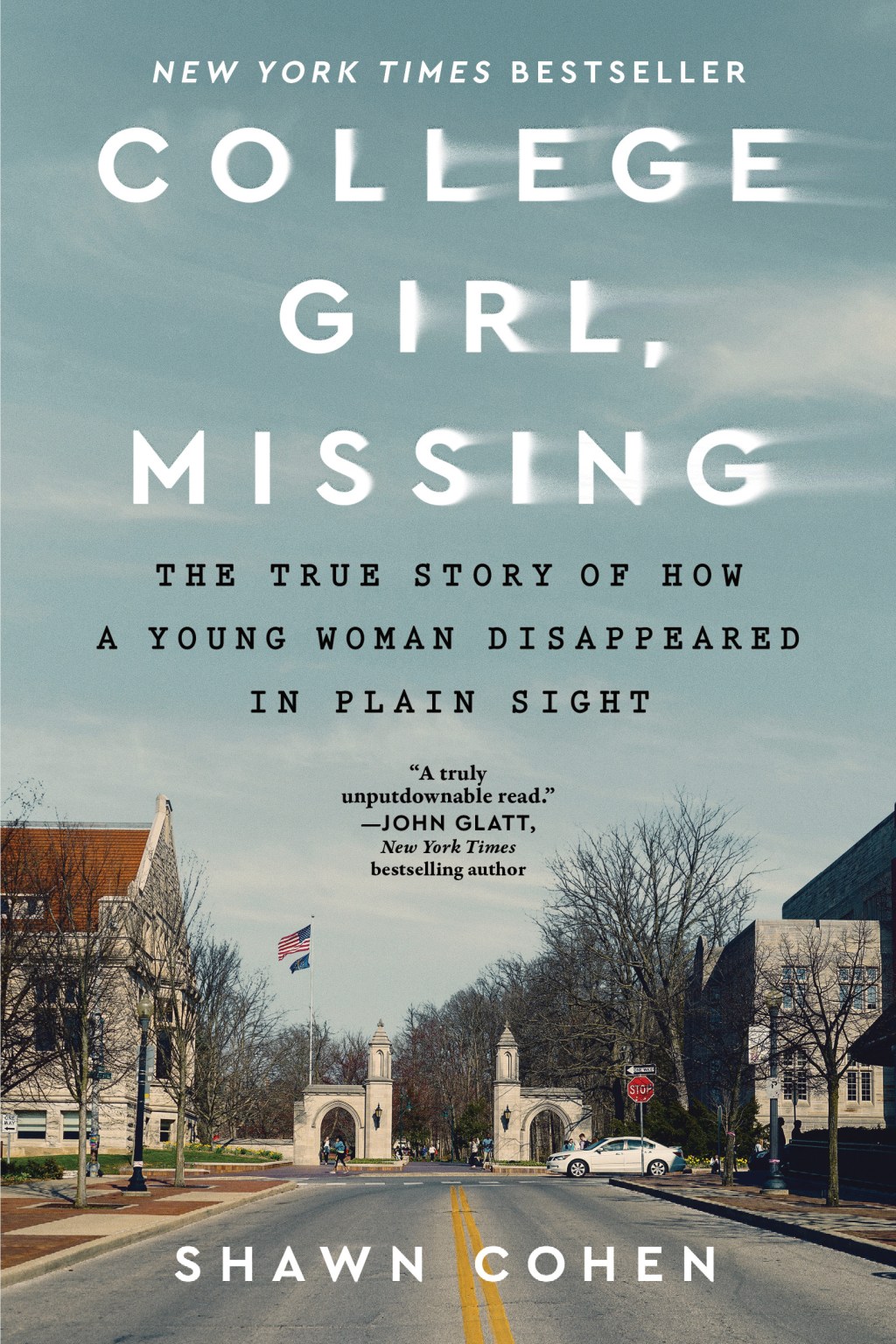
College Girl, Missing: The True Story of How a Young Woman Disappeared in Plain Sight
14 years ago, Lauren Spierer, an over-served 20 year-old student at Indiana University who had been indulging in recreational drugs, walked out of her friend’s apartment building at 4 in the morning and disappeared, never to be seen again. She was barefoot, having left her shoes and cell phone at a bar. Her purse and keys would later be found in the alley she and a male friend traversed on their way to his apartment. Video cameras caught sightings of her on that last night. But Lauren herself was gone.

Shawn Cohen, an investigative reporter from New York, never planned on immersing himself into Lauren’s story beyond reporting on it after the she disappeared. One of many reporters from news outlets that included People magazine, CNN, and USA Today, who arrived at this bucolic college town in Bloomington, Indiana, he segued from just reporting to becoming entrenched in trying to solve the question of what happened to Lauren Spierer. The result is “College Girl, Missing: The True Story of How a Young Woman Disappeared in Plain Sight.” (Sourcebooks 2024).
He made connections with her family who lived in Scarsdale, New York, immersed himself in all the available records, spoked to the retired New York Police Department detectives turned private investigators that the Spierer family hired to find answers, and returned to Bloomington numerous times.
But there were obstacles. By the time Lauren was reported missing, 14 hours had gone by before the police, who at first didn’t treat her disappearance as a missing person’s case, were called. The men she was with that night, long time friends of hers, all immediately lawyered up and wouldn’t talk, and the information gathered by the Bloomington Police Department hasn’t been released as the case is still considered open.
“The family isn’t giving up trying to find out what happened,” Cohen said in a phone interview earlier this week. Neither is he.
“It’s something I think about all the time,” he says.
It was thought that maybe she had been abducted by a stranger, supposedly a white truck had been seen in the vicinity that was later connected with the murder of another IU student. But that connection proved false and the truck in question was sighted well beyond when Lauren disappeared.
Having attended Indiana University, I know the path that Lauren would have followed that last night. And though I was a student at IU before Lauren, I often visited the campus around the time of her disappearance and still remember the numerous posters showing her photo and asking, pleading really, for anyone with information to call. A pretty girl, with blonde hair and sweet smile, it’s hard to understand how friends who were with her that night decided to hire lawyers rather than talk to the reporters and police in hopes that the information they could provide would help the investigation.
Cohen, too, is waiting for the call or text that will break the case open. Since the book was published he gets frequent tips but nothing that has ever solved Lauren’s disappearance. But he, like her family, is determined to never give up.
He has retraced Lauren’s steps and finally was able to get into the apartment where her friend, instead of walking Spierer home, says he watched her through the window as she walked barefoot reaching the intersection of 11th Street and College Avenue.
“I stood at the window to see if he could have seen her the way that he said he did,” says Cohen.
Both Cohen and I each have two children, and we discuss how awful this would be for any parent but Cohen, who has made an emotional connection with the Spierers, has watched them go through hell. In other words, it’s become personal.
When I ask him why he thinks Lauren’s long time friends wouldn’t be more helpful, he says, “self-preservation.”
But maybe there’s someone out there who is willing to go beyond protecting themselves and doing what is right.
“I want to keep this in the forefront, to keep the focus on Lauren and on the people who were involved,” Cohen says. “I’m always hoping that someone will break, that their conscious will bother them enough, so they come forward or maybe somebody who knows something will leak it. I want more and more people to learn about this, to talk about this until maybe someone opens up and tells what they know.”
This article originally appeared in the Northwest Indiana Times.
-
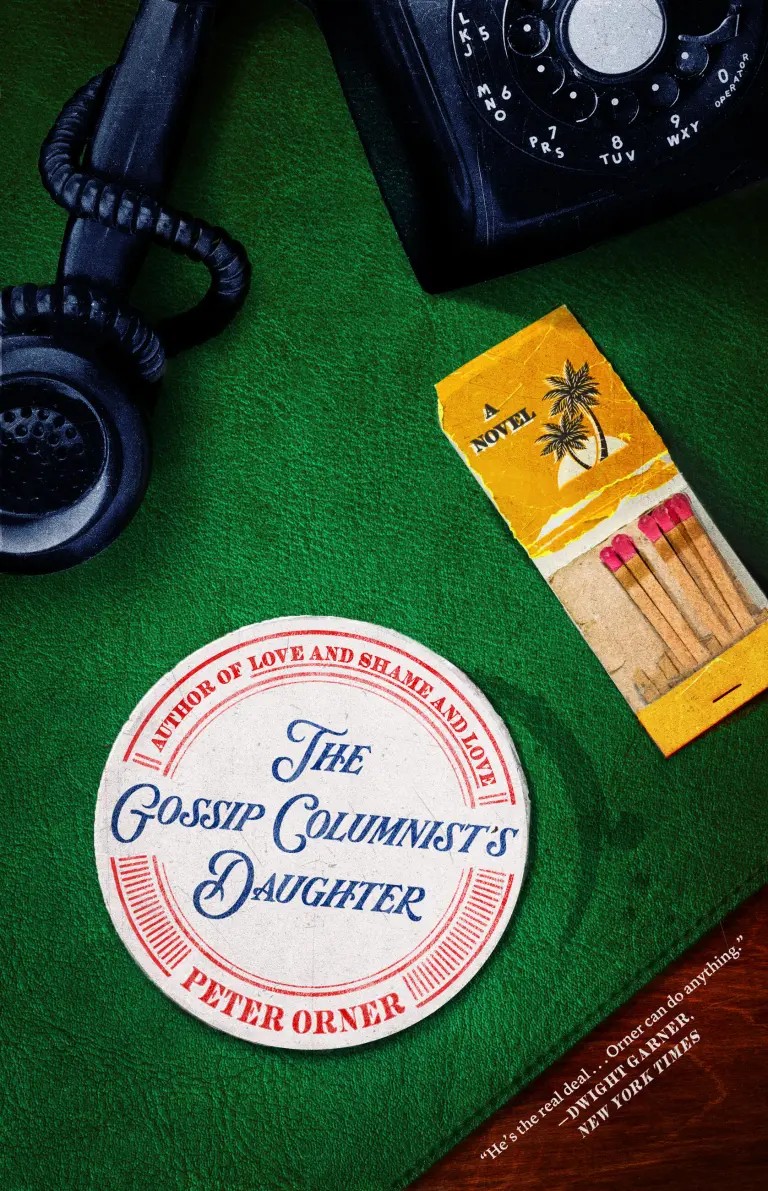
The Gossip Columnist’s Daughter
Jed Rosenthal is living a desultory life in a garden apartment with his cat, both having been exiled from the family home they shared with Jed’ s partner and their daughter who he can see only at approved times. Despite a job as a professor of writing at Loyola University in Chicago and receiving good reviews for his previous works, Jed is disconnected from his current reality and immersed in his family’s past and the death of the daughter of their once close friends, shortly after JFK’s assassination.
The victim was Karyn Kupcinet, an aspiring actress and the only daughter of Irv and Essee Kupcinet, one of Chicago’s uber power couples who stayed in the limelight from 1934 to 2003. Kup or Mr. Chicago, as Irv was called, was a columnist for the Chicago Sun Times at a time that really mattered and if he didn’t know everybody, he knew almost everybody including Marilyn Monroe, Frank Sinatra, Muhammad Ali, Martin Luther King and Sidney Korshak.

Wait, you’re thinking Sidney Korshak? Who is he? Well, for people like Kup who was at the top of his game when it came to collected celebrities, you could sip Champagne with Dean Martin or Shirley McClaine in the Pump Room or have them on your television talk show, but if you need something fixed—and we’re not talking patching up the roof—and were connected, you called Sidney. And, in “The Gossip Columnist’s Daughter,” a novel by award-winning author Peter Orner, that’s what Kup did when his daughter died.
“Like Jed, I am somewhat obsessed with the case,” says Orner, the director of creative writing at Dartmouth College, who has spent eons researching this book.
But Orner isn’t the only one seeking answers about what happened to Karyn.
“If you’re into conspiracy theories there are numerous ones,” says Orner and then dives deep into some of those theories.
Was Karyn Kupcinet murdered? The autopsy performed in Los Angeles where she lived while working as an actress, said she had been. But there were doubts, could she have overdosed on pills? Either on purpose or accidentally? She was anxious, unsure of her looks, desperately trying to be slim, and extremely despondent about a recent break up with her actor boyfriend who had moved on to someone, no make that, numerous someones.
There’s the JFK angle espoused by some, says Orner, pointing out Karyn was among several people who mysteriously died around the time of the president’s assassination. Was Karyn the woman who called authorities just before Kennedy was shot to say he was going to be murdered?
In the book, Jed’s grandfather accompanies Kup to Los Angeles to identify his daughter’s body while his grandmother consoles Essee who remained in Chicago. That’s real life as well. Sidney Korshak was also at Karyn’s apartment and Orner discovered a newspaper photo of him carrying several of her belongings out of her apartment.
“They say unidentified man,” says Orner. “But everyone knew who Sidney Korshak was. I may have found a new clue.”
But the book is more than just a true crime caper, it’s about relationships, those that flourish and those that fall apart, it’s also about Chicago in a different era, a time when a gossip columnist held sway over the city and men like Korshak could make big problems go away.
“The relationship between the Kups and my family is true,” says Orner. “The families had been very good friends and then suddenly they weren’t. I’ve always tried to understand why.”
Korshak could fix many things but didn’t fix the rift that severed the Kupcinets from the Rosenthals, a cut so sharp and complete it’s as if someone took a cleaver to it. Why this happened is difficult for an obsessive like Orner, who sometimes, when he returns to Chicago from his home in Vermont, revisits all the family homes (real) or walks from where Jed lives in the book to where he and his partner lived, counting the steps (unreal since Jed and Hanna don’t exist).
You could spend a lot of time trying to figure out what’s true and what is fiction in this fascinating novel, or you can just go along for the ride so to speak, by enjoying a great read.
This article orginally ran in the Northwest Times of Indiana.
-
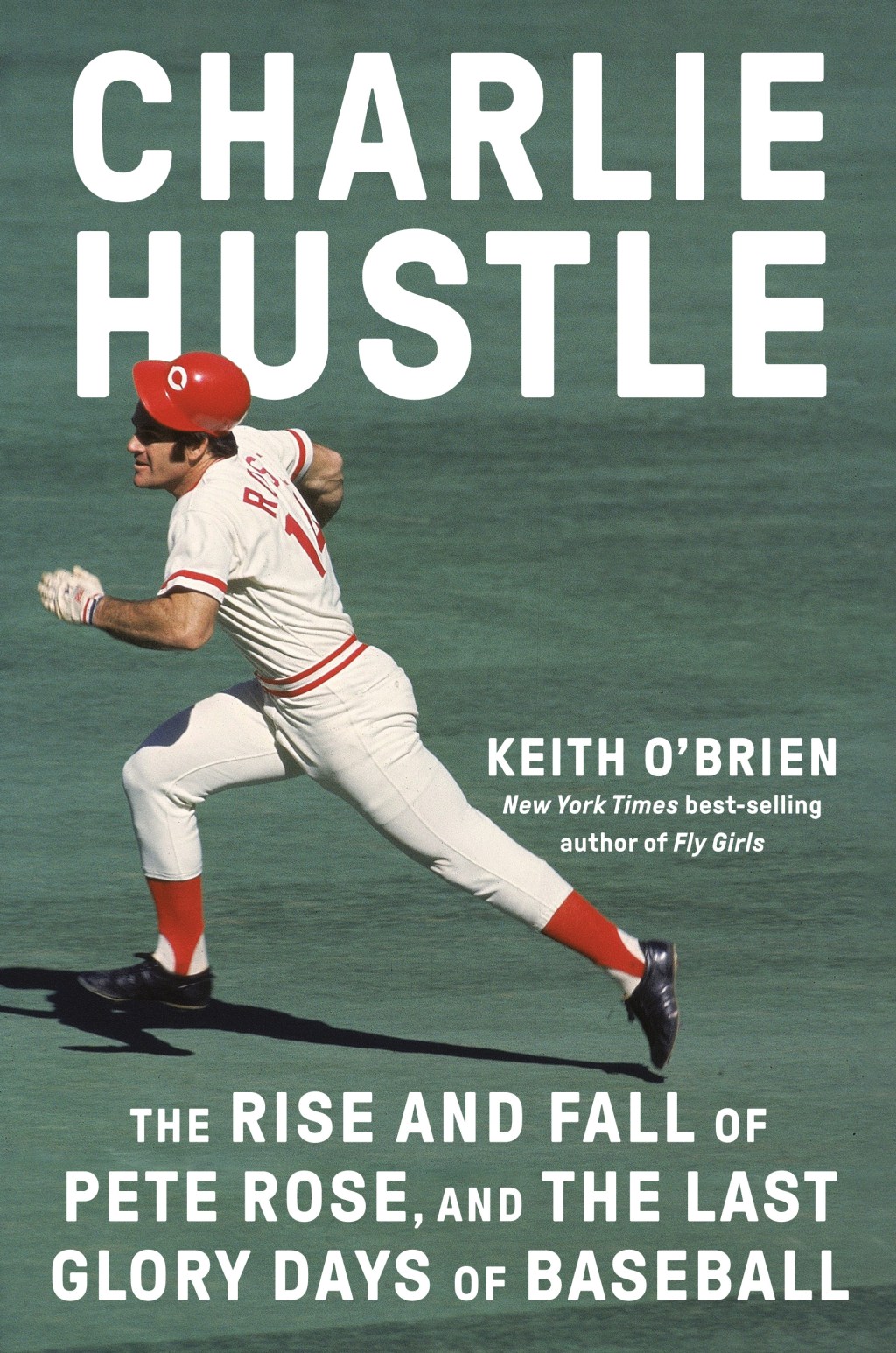
Charlie Hustle: The Rise and Fall of Pete Rose, and the Last Glory Days of Baseball
It’s an epic story. A young man with talent, maybe not as much as some but what he lacks in physical and athletic prowess he makes up with moxie and determination. And like most epics, there’s a rise to the heights and then a fall from grace.
It could be a movie. Maybe it will be. But Keith O’Brien, an award-winning journalist has done a deep dive into the life of Pete Rose, winner of three World Series rings, including 27 hours of in-person and phone interviews with the baseball legend, has written “Charlie Hustle: The Rise and Fall of Pete Rose, and the Last Glory Days of Baseball.” It’s the type of story that even those who aren’t baseball fanatics (that would include me) would find as compelling as any work of fiction.
Rose played Major League Baseball from 1963 to 1984 and then managed the Cincinnati Reds where he’d spent the majority of his career from 1984 to 1989. And what a career it was. His records still holding to this day include most career hits (4,256), most career games played (3,562), and most career at-bats (14,053). But it all came crashing down when it was discovered that Rose was betting on games including his own team.
I caught up with author O’Brien during a book signing in Carmel, Indiana to another in Louisville. Closer to home he’ll be at The Book Stall in Winnetka on April 10.

Like Rose, O’Brien grew up on the west side of Cincinnati, played ball as a kid, and had a love of baseball growing up.
“My grandfather lived in Merrillville, and we’d visit him in the summer,” he says, noting that he considered the White Sox as his second team because they’d go to the games at Comiskey Field.”
O’Brien thinks that might have helped get the interviews—Rose had never before agreed to talk to an author for a book unless he had editorial control over what was written.
But it wasn’t their common roots weren’t what compelled O’Brien to write about Charlie Hustle, Rose’s nickname.
“I felt that in the last 35 years that he’s been banned from baseball, making mistake after mistake off the field we have forgotten why we ever cared about him in the first place and so I wanted to go back and tell that whole story,” he says. “I told Pete back in 2021 when I originally reached out to him this felt to me like the time for reckoning with his past. To use the old sports cliche we’re all day-to-day but when you’re in your 80s like Pete Rose that notion is decidedly more present.”
Ultimately Rose ghosted O’Brien.
“It’s a guess as to why he stopped calling, my only thought is I was pushing it.” says O’Brien. “I wanted to talk about everything, the good times and the bad times—baseball, the off-field decisions, and the gambling. I think maybe in the end I might have just pushed Pete too far or as far as he was willing to go.”
During his career, there had been rumors about Rose’s gambling though it hadn’t leaked out to the general public.
O’Brien’s research and conversations with people who were on the scene when Rose was first called into the offices of Major League Baseball for a secret meeting in February 1989 indicate it could have gone a lot differently.
“If Pete had been honest and told them the truth that yes he had bet on baseball and that yes he bet on the Reds and that yes he had a gambling problem, baseball would have done everything it could to save him,” says O’Brien. “I’m not suggesting he would have gotten off or wouldn’t have been punished. He would have but I don’t believe that it would have been the sort of punishment that he is still wrestling with 35 years later.”
-

Southern Lights: Easier, Lighter, and Better-for-Recipes From the South
“Throughout these pages, I’m going to (politely) refute the claim that Southern food is all bad for you and hopefully breathe new life into some tired, worn-out notions,” writes Lauren McDuffie in the first pages of her latest cookbook, Southern Lights: Easier, Lighter, and Better-for-You Recipes From the South (Gibbs Smith). McDuffie, an advocate of Southern cuisine, wants us all to know the entire truth of this regional way of cookery that many of us dismissively think of as fried and fat.

“Once you make your way through the stereotypes, past the overwrought, done-to-death, attention-seeking heavy hitters, the archives of Southern cookery shine with a special sort of brilliance,” continues McDuffie, noting that she is a home cook who has done the majority of her culinary learning in the South ranging from the foothills of central Appalachia to the sandy, abundant low country coastline.
McDuffie, who lives in Portland, Oregon now, created the award winning food blog: My KItchen Little: Recipes, Ideas, and Inspiration for Busy Home Cooks but her love of Southern cuisine and her ability to bring it to the fore was also apparent in her first cookbook, Smoke, Roots, Mountain, Harvest: Recipes and Stories Inspired by My Appalachian Home. The same passion is conveyed” in this magnificent cookbook with its luscious photos–McDuffie is also a photographer and her luscious color photos are a perfect accompaniment to the recipes that show us how to enjoy the rich heritage of Southern cuisine without the guilt and calories.

Southern Lights takes us into the world that McDuffie says she loves most– the people, places, things, and flavors that evoke feelings of home.
To accomplish this, McDuffie, an advocate for fresh and healthy, took a hard look at her kitchen pantry and asked herself a series of questions such as why she was using a particular oil or cut of meat in her cooking and what substitutions would work just as well when using her favorite recipes. From there she re-created favorite dishes incorporating different ingredients but yielding the same delicious results.
Her recipe for Frico Chicken in a Buttermilk Bath is a great example. Its origins are that perennial Southern classic—fried chicken brined in buttermilk and then deep fried in lard. A definite winner when it comes to taste. Not so in other respects. So what does McDuffie? She produces a healthier and low caloric alternative that really works.
Calling it a remix and noting that frico translates to fried in Italian, she describes this dish as similar to a simple baked cheese crisp that tops a boneless, skinless, and flattened chicken thighs browned in a minimum of oil. A surprising easy-to-make but sophisticated dish, it offers the crunch and flavor of buttermilk heavily battered chicken with no grease or guilt.

Like pulled pork sandwiches. McDuffie gives us a very creative take by substituting spaghetti squash (yes, you read that correctly) for the pork in her recipe for “Pulled” BBQ Spaghetti Squash Sandwiches.
“This has got to be one of the most unusual sandwiches I’ve ever made, but man is it a hit in my house,” writes McDuffie in the introduction to this dish. “Tangled strands of roasted spaghetti squash mimic the fatty pork in a classic meaty version, making for a lighter, more nutritious way to get your fix.”
The squash mixture is then topped with Halloumi cheese (smoked Gouda or cheddar can be used instead) along with coleslaw and barbecue sauce.
Voila! A low cal, high flavor profile meal and just one of many in McDuffie’s latest cookbook.

Honey-Caramelized Tomato Upside-Down Cornbread
“People get very territorial about their cornbread in the South, a fact that I have always found completely charming,” says McDuffie. “Home cooks are devoted to their recipes and food traditions in a way that serves to sustain them, carrying them across generations. There is so much heart on the table, always. Cooks hold on tight to them, their family recipes, and it’s really the most beautiful thing. This recipe happens to be a favorite version of cornbread in my house. The jammy, juicy-sweet tomatoes suspended on top really do steal this show, and the olive oil makes it pretty special. Feel free to sub a different cooking oil, though, as olive oil ain’t cheap. I highly recommend serving this in thick slices, slathered with lots of Salty Butter–Whipped Honey.”
Makes 6 to 8 servings
- Natural nonstick cooking spray
- 12 ounces cherry or
- grape tomatoes
- 6 tablespoons honey, divided
- 1 1⁄2 teaspoons salt, plus
- more as needed
- 1 cup yellow cornmeal
- 1 cup cake flour
- 1 1⁄2 teaspoons baking powder
- 1 teaspoon baking soda
- 2⁄3 cup olive oil or canola
- or vegetable oil
- 2 large eggs, beaten
- 1 1⁄4 cups buttermilk
Preheat the oven to 350°F. Adjust the rack to the middle position. Spray an 8- or 9-inch round cake pan with cooking spray and line with parchment paper, allowing some overhang for easy removal (think of them as handles).
Put the tomatoes, 3 tablespoons of the honey, and a good pinch of salt in a nonstick skillet set over medium heat and cook, stirring occasionally, until the tomatoes just burst and are tender, about 5 minutes. Transfer to the cake pan, juices included, and spread in an even layer.
In a mixing bowl, whisk together the cornmeal, remaining 1 1⁄2 teaspoons salt, cake flour, baking powder, and baking soda.
In the bowl of a stand mixer or in a mixing bowl with ahandheld m ixer, combine the oil, the remaining 3 tablespoons of honey, and the eggs. Add half of the dry mixture and mix until combined. Add half of the buttermilk and mix until just combined. Repeat with the remaining halves of each and gently pour the batter into the prepared pan over the tomatoes (it shouldn’t be more than three-fourths full).
Bake until lightly golden and set, 35 to 45 minutes (use a knife or toothpick to test the doneness—it should come out clean). Cool in the pan for at least 15 minutes before inverting the cornbread onto a serving plate, tomatoes facing up now.
Salty Butter-Whipped Honey
Sounds sinful, right? I can assure you that this isn’t nearly as rich as it sounds. This drippy, sticky-sweet thing is my lighter take on a simple honey butter where, instead of infusing a lot of butter with a little honey, we’re going to infuse a lot of honey with a little butter. Just be sure to use a good-quality raw honey.
Makes about 1 cup
- 8 ounces honey
- 2 tablespoons salted butter, at room temperature
- Salt to taste
In a blender, combine the honey, butter, and salt and blend until creamy and smooth. Transfer to a lidded storage jar or container. This buttery honey will keep in the refrigerator for up to 1 month.
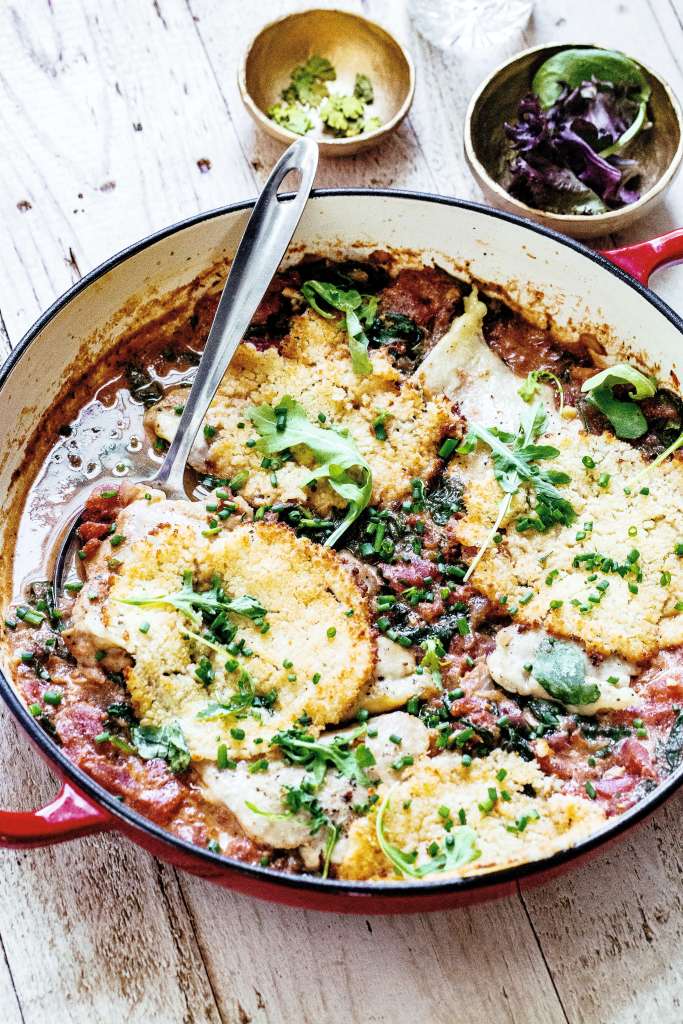
Frico Chicken in a Garlicky Buttermilk Bath
“I’ve taken the things I love most about classic Southern fried chicken and remixed them into something that is just as satisfying, but much lighter—a true win-win,” writes McDuffie about this recipe. “A frico (which means “fried” in Italian) is simply a baked cheese crisp, and here we’ll use them to almost mimic the salty crunch of fried chicken skin. Rather than rich bone-in, skin-on cuts, we’ll use leaner boneless and skinless thighs—my favorite protein of them all. The garlicky buttermilk-fortified bath in which they cook mimics my go-to fried chicken brine, helping the chicken stay tender and juicy. It also happens to be an easy, one-pan, 30-minute meal. So there’s that.”
Makes 4 to 6 servings
- 1 1⁄2 cups grated Parmesan cheese
- 4 teaspoons olive oil, divided
- 6 boneless, skinless chicken thighs
- Salt
- Freshly ground black pepper
- 1 heaping cup diced sweet onion
- 10 ounces fresh baby spinach
- 3 garlic cloves, minced or grated
- 1⁄2 cup dry white wine (optional)
- 1 (14.5-ounce) can crushed or diced tomatoes
- 1⁄2 cup buttermilk
Preheat the oven to 350°F. Adjust the oven rack to the middle position. Line a large baking sheet with parchment paper or a silicone baking mat.
Equally space the Parmesan into 6 (1⁄4-cup) mounds on the baking sheet. Use your measuring cup to gently press down on the mounds and work them into round, circular disks (they don’t have to be perfect). Bake until flattened and just beginning to brown lightly around the edges, 3 to 4 minutes. Remove and set aside. They will firm up as they cool.
Pour 2 teaspoons of the oil into a large pan over medium heat. Season the chicken with salt and pepper to taste. When the oil is hot, add the chicken and brown really well on the first side; this takes 5 to 6 minutes. Flip and cook for another 1 to 2 minutes (they will finish in the sauce). Transfer to a plate and set aside.
Pour the remaining 2 teaspoons of oil into the pan. When it’s hot, add the onion and spinach and sauté for 3 to 5 minutes, until the spinach is fully wilted and the onion is soft. During the last minute, add the garlic.
Stir in the wine (if using) and cook for about 1 minute to reduce it. Add the tomatoes and buttermilk and slide the chicken back into the pan. Simmer for about 10 minutes to reduce the sauce and to finish the chicken.
Lay the Parmesan fricos over the chicken just before serving. They will melt and sort of adhere to the chicken, mimicking salty chicken skin in the best way.
Recipes excerpted from Southern Lights: Easier, Lighter, and Better-for-You Recipes from the South by Lauren McDuffie. Photographs by Lauren McDuffie. Reprinted by permission of Gibbs Smith Books.
-

Peas Love & Carrots
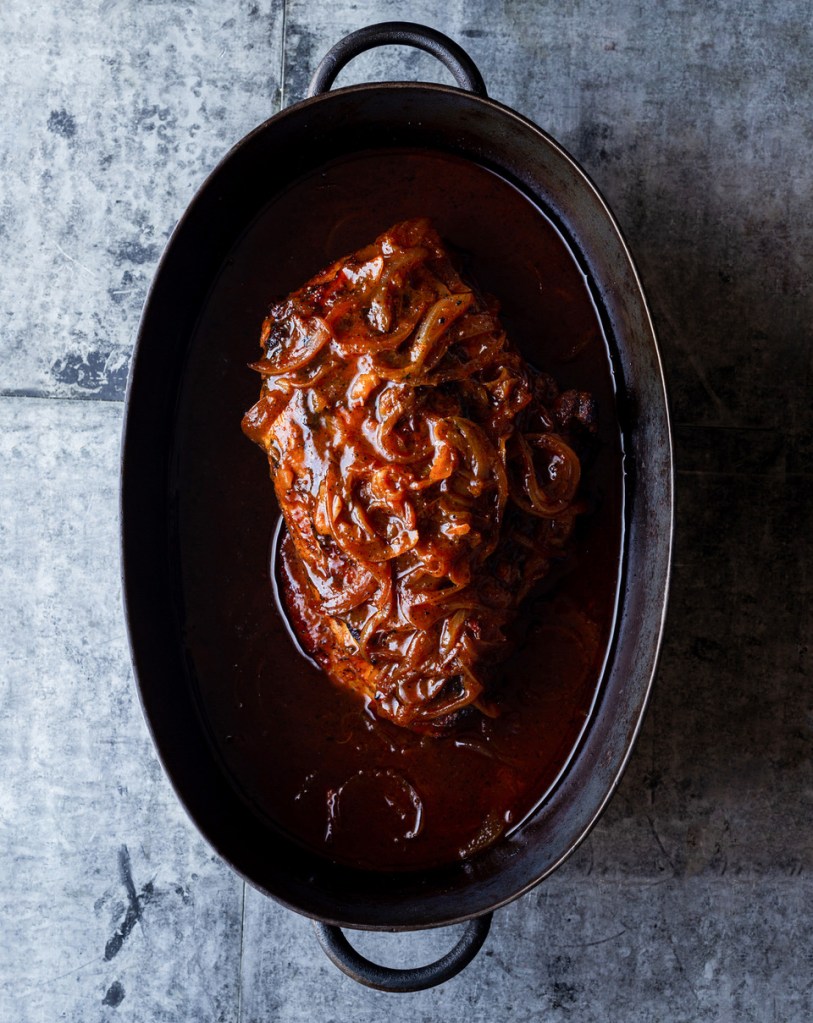
Savory Stovetop Turkey. Photo by Moshe Wulliger.
So, before we start talking about Danielle Renov’s wonderful new cookbook, Peas Love and Carrots (Me’sorah Publications, Ltd. 2020; $28.93 Amazon price) I want to take a few moments to whine. I write a lot about food, I have a food blog, Twitter, Facebook and Instagram accounts where I post about food and travel. I often think it’s lucky I have a large family including cousins who I am able to cajole into following me so I have at least some followers.
Some don’t seem to need large families to get followers. At least four or five times a year, I interview a cookbook author who started with an Instagram or Facebook or Twitter account and ended up with tens and sometimes hundreds of thousands of followers. I’m not saying I’m anywhere near their level of ability and creativity. Far from it, but still—comparatively my numbers aren’t even close. I’m not writing this to make people feel so sorry for me that they follow me—but hey, if you want to it’s okay. it’s just that with Renov I ran into it again. Four years ago, with her husband out of town and her kids tucked away in bed, she decided to start Instagramming.
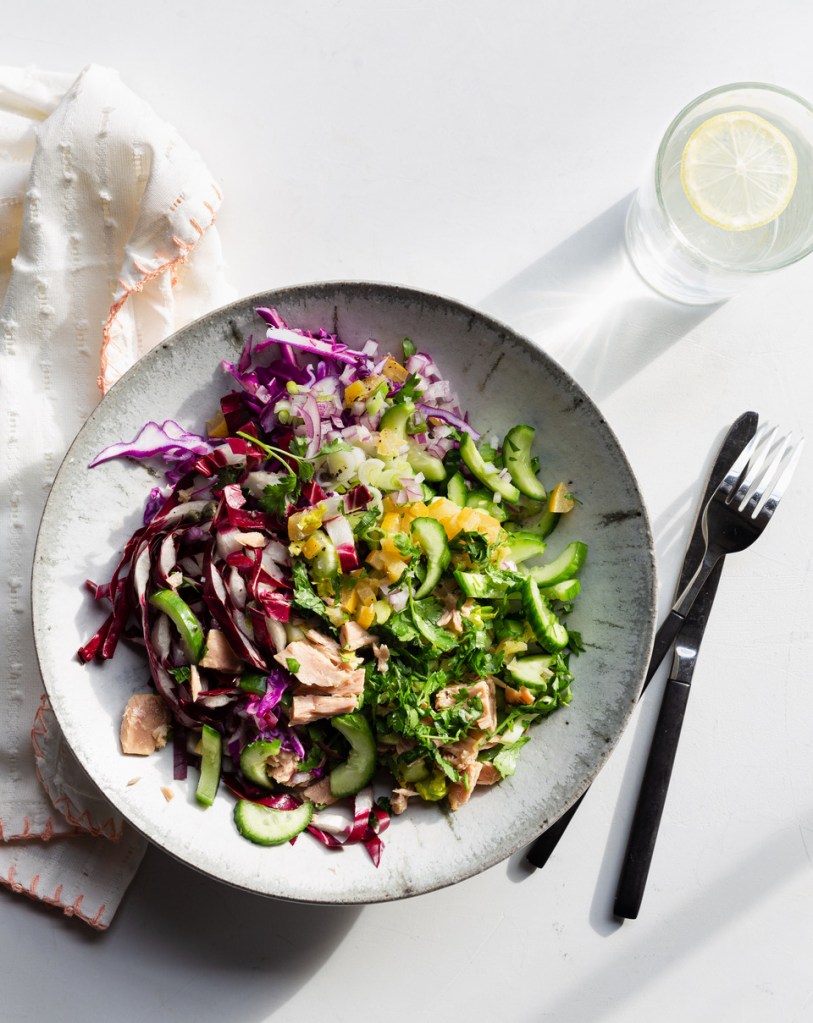
Tuna Salad A` La Moi. Photo by Moshe Wulliger.
She soon had around 43,000 followers. This year, the number is over 130,000. She now is considered a kosher and food influencer—someone who has the audience and credibility to persuade others. To give an example of what that means, Kim Kardashian may be the ultimate influencer with 354 million followers across social media channels. Yes, 354 million. That’s about close to the number of people who live in the United States.
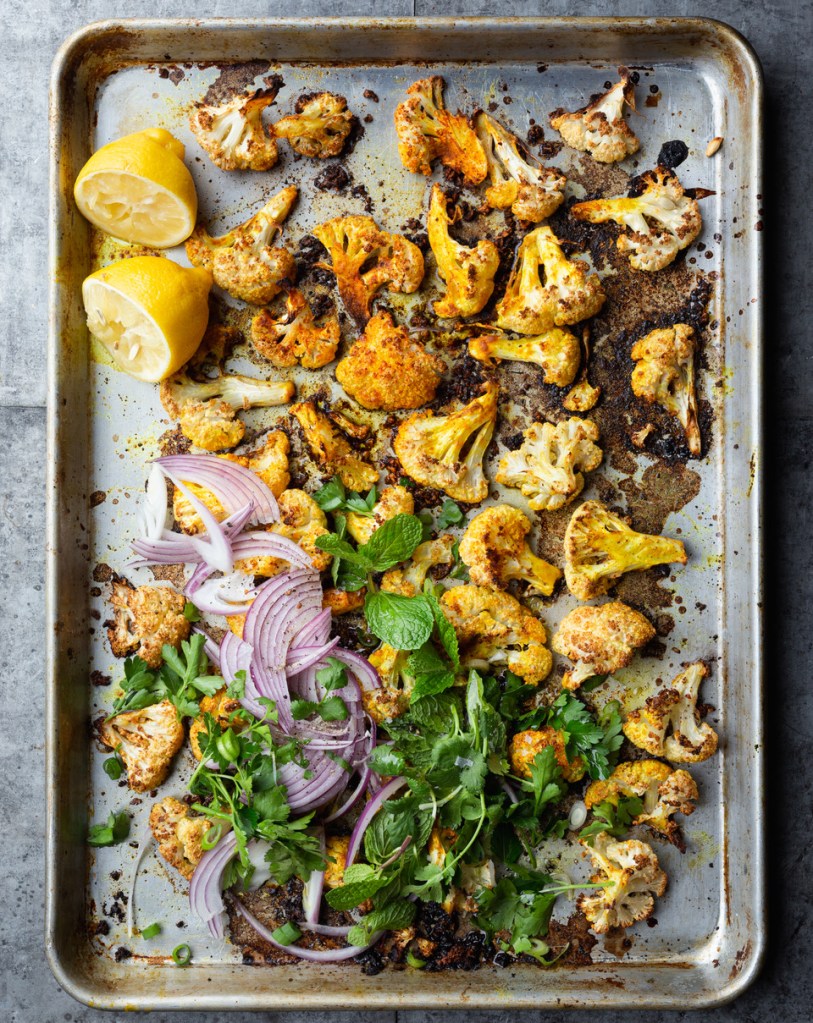
Burnt Cauliflower and Herb Salad. Photo by by Moshe Wulliger. Renov, who grew up on Long Island, New York and moved to Israel about 13 years ago, deserves her followers. The 254 plus recipes she created for Peas, Love & Carrots reflect her many life experiences, her family’s heritage, her Sephardic and Ashkenazi roots and her own interest in food in her new homeland including her weekly shopping expeditions to the Machane Yehuda Shuk, a sprawling 19th century
market in Jerusalem selling among many other items, a variety of foods. In writing the introduction to her recipes, Renov tells a story about it, often displaying a sense of humor.“Dinner again?” she writes in the introduction to Crispy Baked Chicken fingers. “I know. it’s crazy. No matter how many times you go through it, it comes back again and again. It’s almost like laundry. Only you can’t eat your laundry, so at least there’s that. This (recipe) is for those days. And since those days happen more than we’d like to admit, I gave you three versions so that you can change things up. You’re welcome.”
But food is also serious for Renov, who returns frequently to New York where she records cooking videos for kosher.com. She wants her recipes to work, to be easily accessible for both kosher and non-kosher cooks and to offer tastes beyond the everyday.Describing her Savory Stovetop Turkey recipe as an ode to her father who doesn’t eat a lot of read met, Renov says she’s always on the hunt for tasty turkey recipes.

Crispy Baked Chicken Fingers. Photo by Moshe Wulliger. “What I never saw was a turkey roast recipe where I felt like the turkey was treated like a proper beef roast,” she says, and I have to agree which is another reason why this recipe looks so intriguing. From the photo, and I’ll soon have my own photos too as I’m making it for company tomorrow, it looks like a richly braised beef roast.
“That’s what was aiming for here,” she says, “Turkey that was deeply savory, moist, and extremely satisfying.”

Photo courtesy of Peas Love & Carrots Facebook. Go ahead and follow Renov, I won’t mind. Really. She posts her recipes, cooking tutorials, lifestyle tips and inspirational ideas for the kitchen, home, and family on both her blog peaslovencarrots.com and Instagram feed @peaslovencarrots.
The following were excerpted from Peas Love & Carrots by Danielle Renov. Copyright 2020 by ArtScroll Mesorah Publications, photos by Moshe Wulliger. Reproduced with permission of the copyright holder. All rights reserved.
Burnt Cauliflower and Herb Salad
Yield: 2+ quarts
Cauliflower
2 (24 oz) bags frozen cauliflower florets
3 tablespoons olive oil, divided
4 cloves garlic, minced (about 1 1⁄2 Tablespoons)
1 1⁄2 teaspoons kosher salt
1⁄2 teaspoon freshly ground black pepper
2 teaspoons turmeric
1 1⁄2 teaspoons sumac
1⁄2 teaspoons paprika
1 lemon, halvedHerb Salad
1⁄2 cup chopped parsley
1⁄2 cup chopped cilantro
1⁄2 cup chopped scallions (from about 4 scallions)
2 tablespoons chopped mint, optional
1 small purple onion, finely diced (about 1 cup)
1-11⁄2 Tablespoons white vinegar kosher salt, to taste
Freshly ground black pepper, to tasteCauliflower
Preheat oven to 350°F / 180°C. Line a baking sheet with heavy duty foil; coat with 1 tablespoon olive oil.
Toss frozen cauliflower with 2 tablespoons oil, garlic, salt, pepper, turmeric, sumac, and paprika.
Spread out on baking sheet in a single layer.Roast undisturbed for about 45 minutes (DO NOT OPEN OVEN DOOR DURING THAT TIME!).
After 45 minutes, cauliflower should begin to get crispy and charred.Open oven door remove baking sheet, and squeeze both halves of the lemon over the cauliflower. DO NOT MIX OR STIR. Just squeeze over the top, return to oven and cook for 5-6 minutes.
Serve and enjoy.Herb Salad
While cauliflower is roasting, combine parsley, cilantro, scallions, mint, and onion in a large bowl.
When cauliflower is done, add to the herb mixture, tossing to combine. Add vinegar; toss to combine.
Season to taste with salt and pepper.
Serve warm or cold.
Note: If not serving the same day, combine herbs with cauliflower before serving time.Tuna Salad A` La Moi
“This is my favorite lunch salad,” says Renov. “I could eat it, on repeat, every day. I know, mercy. Ok, fine. every other day. It’s filling, the
flavors are punchy, and it’s my absolute favorite way to eat tuna. Make it today, double the recipe, and store it in an airtight container for tomorrow. it is actually better the second day.”2 cups shredded purple cabbage
1 cup shredded radicchio
1 cup chopped scallions
1 cup chopped cucumber
1 cup finely chopped celery
1⁄2 cup diced purple onion
1 cup parsley, chopped
1 cup chopped preserved lemons
1⁄2 cup chopped capers 15 ounce canned tuna in water, drained,Roughly chopped juice of 1 lemon, 2 teaspoons paprika, 1 teaspoon, cayenne pepper, 1 teaspoon kosher salt and 1⁄2 teaspoon coarsely ground black pepper.
Place all ingredients into a large bowl. Toss well to combine.
Let sit for 5 minutes. Toss again.
Savory Stovetop Turkey
1 large whole deboned turkey breast
1 Tablespoon kosher salt
1 teaspoon coarsely ground black pepper
1 1⁄2 teaspoons granulated garlic
1 1⁄2 teaspoons paprika
1 tablespoon neutral oil
1 onion, thinly sliced
4 cloves garlic, minced
2 Tablespoons tomato paste
1 1⁄2 cups dry white wine
2 bay leaves
1 tablespoon white vinegar
2 cups chicken broth
1⁄4 cup duck sauceIn a small bowl, combine salt, pepper, garlic, and paprika. Season turkey breast with mixture on all sides.
Heat a pot over medium heat. Add oil; place turkey top side down and sear for 4 minutes on each side.
Remove turkey from pot; set aside.Add onion; cook for 12 minutes.
Add garlic and tomato paste to the pot. Cook for 2 minutes until fragrant.
Add wine, bay leaves, and vinegar, stirring to scrape up any bits on the bottom of the pan.
Cook for 2 minutes; add chicken broth and duck sauce.
Return turkey to the pot, spooning some of the mixture over the top.
Bring mixture to a boil, cover pot, and reduce heat to low. Cook for 1 1⁄2 hours, basting every 20 minutes or so. Serve hot and enjoy.
Tips + Tricks
If making in advance, slice turkey when it’s cold, return to sauce, and reheat gently.Crispy Baked Chicken Fingers:
Crispy Asian Baked Shnitsel
1 package chicken tenders (about 18 pieces) OR 12 thin cutlets
1 cup mayo
2 tablespoons minced garlic
2 tablespoons honey
1-2 teaspoons sriracha (depending how spicy you like it!)
1 Tablespoon white miso
1⁄4 cup soy sauce
3 cups panko breadcrumbs
Barbecue Crispy Chicken
1 package chicken tenders (about 18 pieces) OR 12 thin cutlets
1⁄4 cup mayo
3⁄4 cup favorite barbecue sauce
1 teaspoon granulated garlic
1 teaspoon granulated onion
3 cups panko breadcrumbsHoney Mustard Crispy Chicken
1 package chicken tenders (about 18 pieces) or 12 thin cutlets
1⁄4 cup mayo
1⁄4 cup Dijon mustard
3 tablespoons honey
3 cups panko breadcrumbs
Preheat oven to 350°FCoat a baking sheet liberally with nonstick cooking spray.
In a large bowl, combine flavoring ingredients (aside from chicken and breadcrumbs) in selected recipe.
Add chicken to wet mixture; mix to coat.
Dip coated chicken into breadcrumbs, then place flat on prepared baking sheet. Spray the top of the chicken pieces with a little more nonstick spray.
Bake for 30-40 minutes, until chicken is cooked through. -
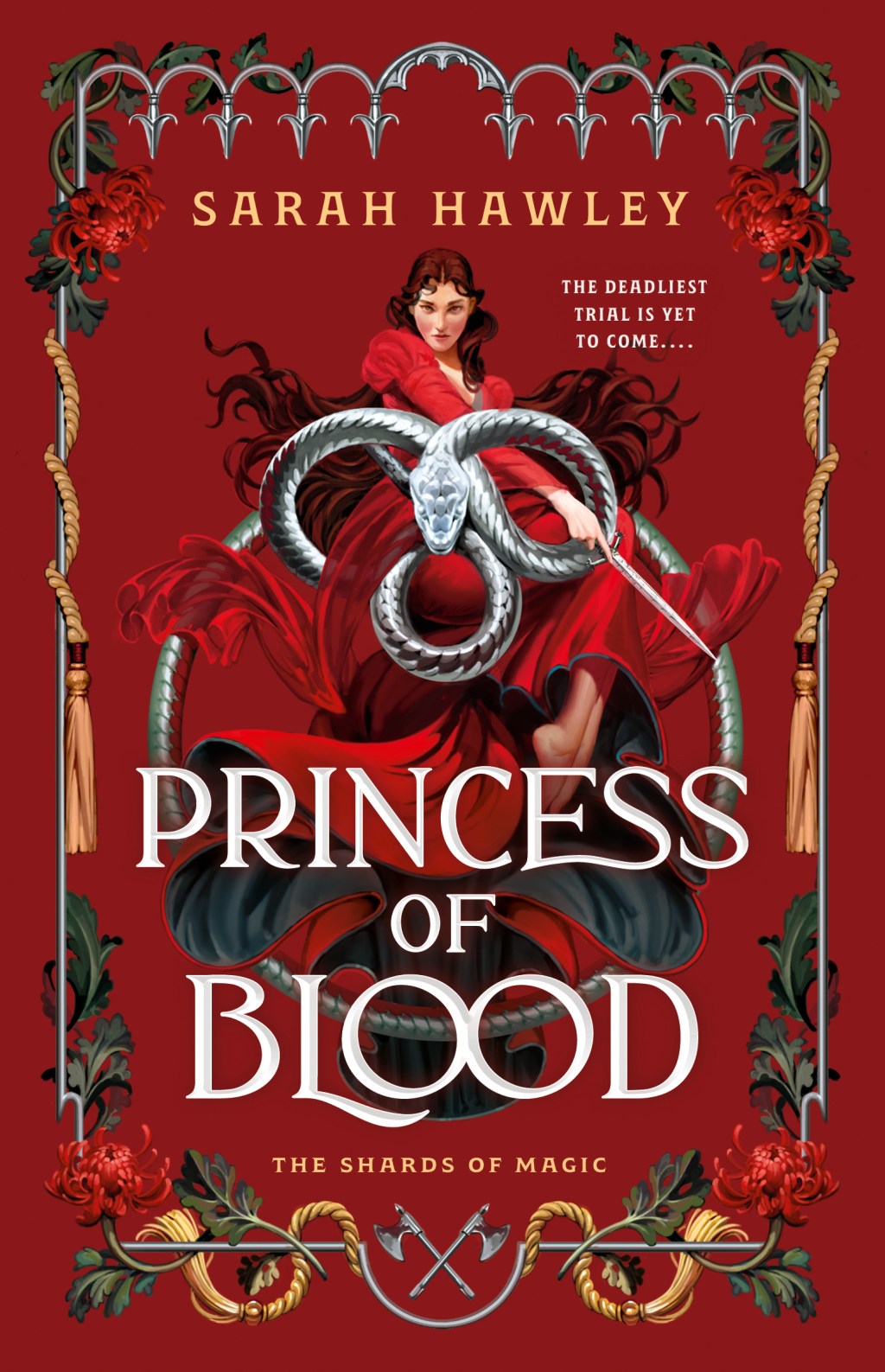
Princess of Blood
I devoured Sarah Hawley’s Servant of Earth, the first in her Shards of Magic triology, a romantasy that centers around Kenna, a young woodland girl, held in contempt in her village, who, trying to save her only friend, finds herself a slave in the opulent world of the Fae. These beautiful and magical creatures over-indulge in the pleasures and sins of life–sumptuous food and drink, complicated love affairs, glamorous surroundings, and evil machinations.
The world of the Fae is one of danger, false friendships, and death. To survive, Kenna must outwit and out manuever the most powerful of the Fae. You can read my review here.
I eagerly awaited Hawley’s second book, Princess of Blood, and was not disappointed when it came out earlier this fall. It’s darker as Kenna becomes enmeshed in a power struggle over who will rule the Fae, a battle that imperils her life and those of her friends and followers. Now, I’m hoping that Hawley is working hard on the third and final book in the trilogy as I’m eager to see how it all turns out.
I again had the chance to interview Hawley and thought I’d include the Q & A here.
Were there specific myths, legends, your previous work as an archaeologist or personal experiences that influenced the book’s political intrigue, power struggles, or Fae society?
I’ve always loved reading about the Fae in folklore and fantasy novels! They’re a fascinating combination of whimsical, deadly, beautiful, mercurial, and mysterious, and there are so many ways a writer can pay homage to that lore and take it in new directions.
Many Fae stories include underground elements because the folklore is tied to burial mounds and the remains of ancient structures. Those archaeological sites developed a reputation for being gateways to a mysterious Fae underworld, which served as the inspiration for the subterranean kingdom of Mistei. Combining that dramatic setting and the tricky nature of the Fae in fairy tales led to the complicated politics and power struggles explored in SERVANT OF EARTH and PRINCESS OF BLOOD.
Princess of the Blood explores such heavy themes as trauma, healing, betrayal, murder, and forging new alliances. How did you approach exploring such difficult and emotionally compelling but difficult subjects in your writing? And how did you react emotionally when writing about such things?
Fantasy novels are a great way to explore dark themes that are relevant to our lives. The fantastical setting adds an element of distance while also allowing for very high stakes. It can be difficult to write such heavy content (I feel bad for my characters sometimes!) and I definitely cried while writing certain passages, but I also think it’s a wonderful way to explore themes of healing and growth. I spend a lot of time thinking about how my characters’ emotions and traumas would impact their actions and how they might change over the course of the story.
How did your background in archaeology shape the historical textures and power dynamics in your fantasy world? After all there were a lot of complex, traumatic and emotional plot lines in ancient times as well as diverse architecture.
My background in archaeology definitely impacts my worldbuilding. I’m always thinking about how a society is laid out, from its geography to its social hierarchy, as well as how the characters move through that space. How do they dress and act to signify their status as an insider or outsider? What are the rituals of everyday life? I also like to consider how my characters relate to their own world’s past—their history and myths and the combination of fact, fiction, and propaganda that impacts their beliefs. Their politics and actions are shaped by the stories they tell themselves, just as ours are. I always want the reader to have a sense of an expansive world where countless stories are happening just off the page.
Is there a particular scene or line in “Princess of the Blood” that holds special meaning for you either personally or as an author?
There are a lot of scenes and lines that hold meaning for me, but one passage sums up the central theme of this book and series, which is the cyclical nature of history and the importance of trying to break destructive cycles even if the fight seems hopeless:
“History ate itself like a snake swallowing its own tail as the Fae continued their unending battle for power . . . but that didn’t mean we should give up. Even if our victories had a steep price. Even if we lost.“
Is there anything else you’d like readers to know?
I’m so excited that readers are discovering SERVANT OF EARTH and PRINCESS OF BLOOD! It’s been thrilling and fulfilling to see Kenna’s story resonating with so many people. Thank you to everyone who has picked these books up.
When can we expect the third and final book?
I don’t have an exact publication date yet, but it will be coming in 2026!
My article about Princess of the Blood appeared in the Northwest Indiana Times.
 Shelf Life